CM Bhupendra Patel meets MP CM Mohan Yadav in Gandhinagar
Synopsis
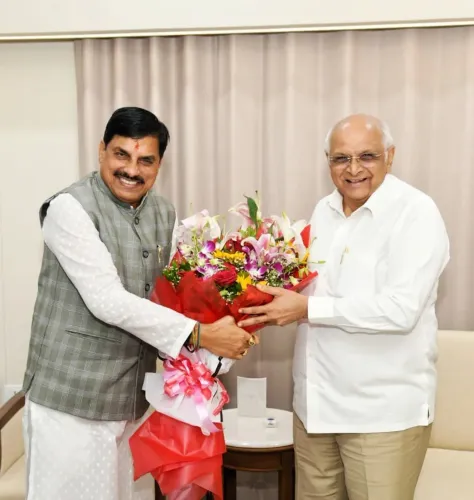
Gujarat CM Bhupendra Patel hosted Madhya Pradesh CM Dr. Mohan Yadav in Gandhinagar on August 12, 2026, for talks on development, public welfare, and strengthening inter-state cooperation between the two BJP-governed states.
Key Takeaways
Gujarat CM Bhupendra Patel met Madhya Pradesh CM Dr.
Mohan Yadav in Gandhinagar on August 12, 2026 .
Discussions covered development priorities, public welfare, and mutual cooperation between the two states.
Both Gujarat and Madhya Pradesh are BJP -governed states with complementary economic and geographic ties.
No specific agreements or MoUs were announced from the meeting.
Follow-up announcements on joint projects or coordinated schemes are possible in coming weeks.
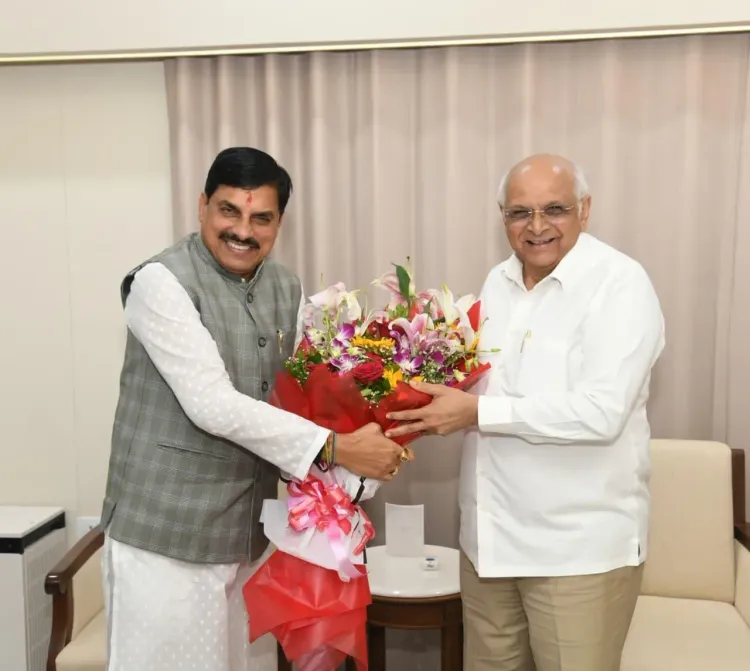
Two chief ministers, one meeting, and a shared agenda for growth. Gujarat Chief Minister Bhupendra Patel welcomed Madhya Pradesh Chief Minister Dr. Mohan Yadav to Gandhinagar on Wednesday, August 12, 2026, for a bilateral discussion centred on development, public welfare, and deepening inter-state cooperation.
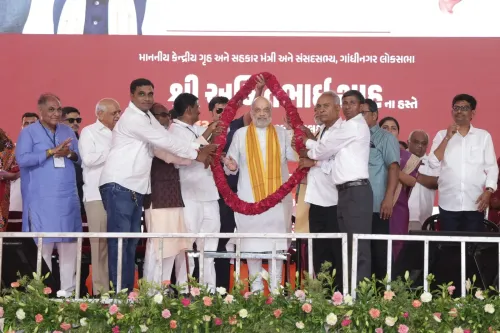
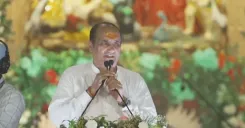
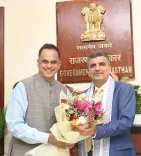
Patel described the meeting as a 'pleasant encounter' (sukhad mulakat), noting that 'meaningful discussions took place on development of both states, matters of public interest, and strengthening mutual cooperation further.' The two leaders met at Gujarat's capital, with photographs from the visit shared alongside the post.
Gujarat and Madhya Pradesh: neighbours with interlocking interests
Gujarat and Madhya Pradesh share a long border and complementary economic profiles. Gujarat, a hub of industrial and infrastructure-led growth, and Madhya Pradesh, which has prioritised agriculture and social welfare schemes, have natural incentives to coordinate — on water-sharing, road connectivity, trade logistics, and labour movement. Chief ministers of BJP-governed states have increasingly used direct bilateral meetings as a working format to align on shared priorities within India's federal structure, bypassing slower formal channels.What the visit signals — and what comes next
No specific agreements or MoUs were announced from the meeting. But bilateral visits of this kind typically precede formal follow-up: joint project announcements, coordinated welfare rollouts, or working-group formations. Both states' residents — and investors with cross-border exposure — will watch for concrete outcomes in the weeks ahead. Two BJP chief ministers, one handshake in Gandhinagar — the real measure of this meeting will be what gets signed next.Point of View
Deepening ties with Madhya Pradesh matters on multiple fronts — logistics corridors, agricultural supply chains, and labour flows all cross that shared border. The absence of announced outcomes is not unusual for a first-contact bilateral; the real signal will come if working groups or MoUs follow. Politically, the optics of two senior BJP CMs presenting a united development front also serve the party's broader 'double-engine government' narrative ahead of any state-level electoral cycles.
NationPress
12 Aug 2026
Frequently Asked Questions
Why did Madhya Pradesh CM Mohan Yadav visit Gujarat?
Dr. Mohan Yadav visited Gujarat on August 12, 2026, to meet CM Bhupendra Patel in Gandhinagar for discussions on development, public welfare, and strengthening cooperation between the two states.
Where did Bhupendra Patel and Mohan Yadav meet?
The meeting took place in Gandhinagar , the capital of Gujarat, on August 12, 2026.
What was discussed in the Gujarat-MP CM meeting?
The two chief ministers discussed development priorities of both states, public interest matters, and ways to deepen mutual inter-state cooperation, according to CM Patel's post.
Were any agreements signed between Gujarat and Madhya Pradesh?
No specific agreements or MoUs were announced from this meeting. Possible follow-up announcements on joint projects may come in the weeks ahead.
How often do BJP chief ministers hold bilateral meetings?
Chief ministers of BJP-governed states regularly hold bilateral meetings to coordinate on development, welfare, and resource-sharing, using direct engagement as a working format within India's federal structure.