CM Bhupendra Patel Pays Tribute to Lokmanya Tilak on Jayanti
Synopsis
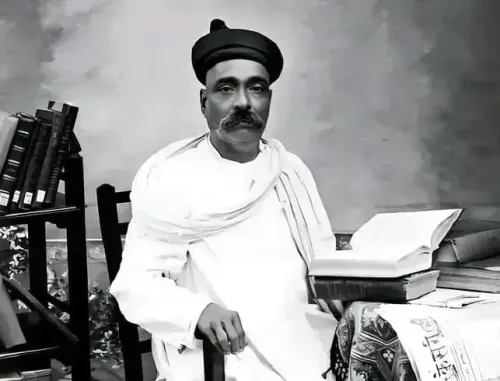
Gujarat Chief Minister Bhupendra Patel on 23 July 2026 offered tribute to Lokmanya Bal Gangadhar Tilak on his birth anniversary, citing the freedom fighter's nationalist vision, educational work, and social reform as enduring sources of inspiration for national service.
Key Takeaways
Gujarat CM Bhupendra Patel posted a tribute to Bal Gangadhar Tilak on 23 July 2026 , Tilak Jayanti.
Patel described Tilak as a 'fervent patriot, educationist, and great thinker' in a Gujarati-language post on X.
Lokmanya Tilak ( 1856–1920 ) co-founded the Deccan Education Society and popularised Ganesh Chaturthi as a nationalist platform.
BJP-led governments across India routinely observe Tilak Jayanti as part of their annual cultural and ideological calendar.
The tribute underscores the BJP's sustained practice of linking contemporary governance with pre-independence nationalist icons.
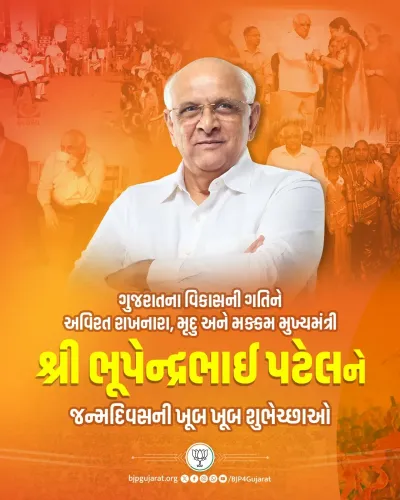
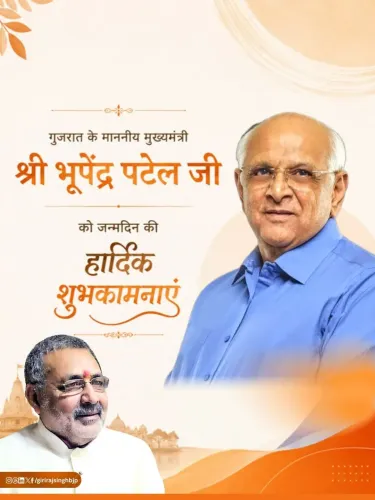
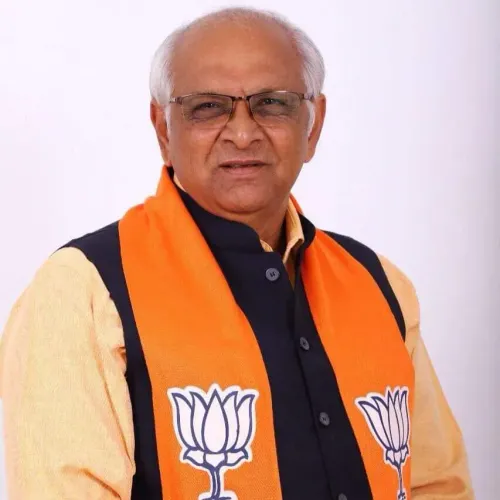
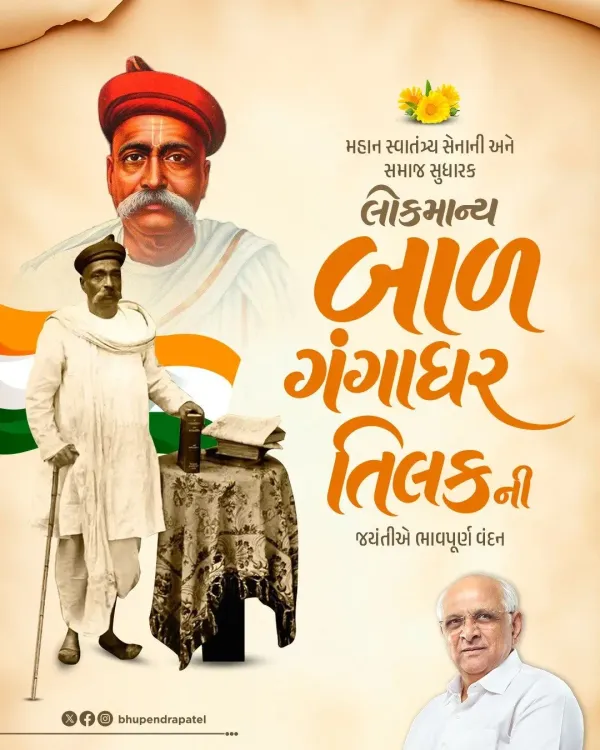
Gujarat Chief Minister Bhupendra Patel on Thursday, 23 July 2026, paid tribute to freedom fighter and nationalist icon Bal Gangadhar Tilak on his birth anniversary, honouring the leader's contributions to India's independence movement, educational reform, and social transformation.
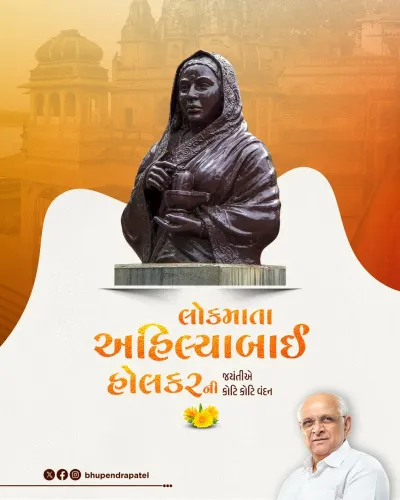
Posting in Gujarati on X, CM Patel described Tilak — revered as 'Lokmanya' (one accepted by the people) — as a 'fervent patriot, educationist, and great thinker,' offering what he called 'koti koti vandan' (countless salutations) on the occasion. He wrote that Tilak's 'brilliant ideas, historic work for social reform, and unparalleled dedication to the motherland continue to give us the energy to devote our lives to the nation's welfare.'
Context
Bal Gangadhar Tilak (1856–1920) remains one of the most consequential figures of India's independence movement. Born in Ratnagiri, Maharashtra, he earned the title 'Lokmanya' for his mass appeal and uncompromising advocacy of Swaraj (self-rule). His declaration — 'Swaraj is my birthright, and I shall have it' — became one of the defining slogans of the nationalist era. His birth anniversary, 23 July, is observed annually across India as Tilak Jayanti.
Tilak co-founded the Deccan Education Society and championed mass mobilisation through public festivals such as the Ganesh Chaturthi celebrations, turning them into platforms for political awakening. He also edited influential Marathi and English newspapers to propagate nationalist thought, making him a pioneer of using media for political mobilisation.
Policy Backdrop
BJP-led state governments, including Gujarat, have consistently observed Tilak Jayanti through official statements, cultural programmes, and educational outreach. The practice reflects the party's broader effort to link contemporary governance with the nationalist legacy of pre-independence icons.
Gujarat has a documented tradition of state-level observances on such anniversaries, integrating tributes into the official cultural calendar. CM Patel, as a senior BJP leader, has regularly participated in these ceremonial commemorations, reinforcing themes of patriotism, self-reliance, and national unity that the party associates with figures like Tilak.
Stakeholders and Impact
The tribute is directed at a broad audience: Gujarati citizens, students, educators, and BJP supporters for whom Tilak's legacy in education and nationalism carries enduring resonance. Tilak's founding of educational institutions and his emphasis on indigenous knowledge systems make him particularly relevant to ongoing national conversations about education reform.
For the wider political ecosystem, such statements by sitting chief ministers serve as annual affirmations of ideological continuity — connecting the ruling dispensation's governance philosophy to the sacrifices and ideas of independence-era leaders.
What's Next
Similar tributes from BJP chief ministers and central leaders are expected throughout the day, as Tilak Jayanti is a standard fixture on the party's ceremonial calendar. Observers will watch for any linked state-level cultural or education programmes in Gujarat that invoke Tilak's legacy in areas such as vernacular education or civic mobilisation.
The anniversary also provides an occasion for political parties across the spectrum to restate their interpretations of Tilak's legacy — a contested but universally respected figure in Indian public memory.
Point of View
With his emphasis on mass mobilisation and indigenous education, is a particularly resonant choice for a party that has made cultural nationalism central to its political identity. The Gujarati-language post also signals an intentional outreach to the state's vernacular public sphere, reinforcing the CM's local connect. Taken together, such ceremonial statements serve a dual function: honouring historical legacy while subtly anchoring the ruling party's ideological lineage to the freedom movement.
NationPress
23 Jul 2026
Frequently Asked Questions
Why is Tilak Jayanti celebrated on 23 July?
23 July marks the birth anniversary of Bal Gangadhar Tilak , born in 1856 in Ratnagiri, Maharashtra. The day is observed nationally as Tilak Jayanti to honour his contributions to India's independence movement and educational reform.
What did Gujarat CM Bhupendra Patel say about Lokmanya Tilak?
CM Bhupendra Patel described Tilak as a 'fervent patriot, educationist, and great thinker,' saying his ideas and dedication to the motherland continue to inspire people to devote their lives to national welfare.
Who was Lokmanya Bal Gangadhar Tilak?
Bal Gangadhar Tilak ( 1856–1920 ) was a leading Indian nationalist, journalist, and educator. He co-founded the Deccan Education Society , championed Swaraj (self-rule), and popularised Ganesh Chaturthi as a platform for mass political mobilisation.
Why do BJP leaders pay tribute to Tilak?
The BJP regularly honours pre-independence nationalist figures like Tilak to connect its governance philosophy with themes of patriotism, self-reliance, and national unity that these leaders embodied.
What is the significance of Lokmanya Tilak's educational work?
Tilak co-founded the Deccan Education Society in 1884 to promote accessible, quality education rooted in Indian values. His emphasis on vernacular education and civic awareness continues to influence debates on education reform in India.