CM Bhupendra Patel Spotlights Vadodara's 150-Year Male Sakhi Garba
Synopsis
Gujarat CM Bhupendra Patel spotlighted a rare 150-year-old Navratri ritual at Vadodara's Ghadiyali Pol Amba Mata Temple, where men don the chunadi and perform Garba as 'Sakhi' around a perpetual flame and a tower of 108 diyas — a living emblem of Gujarat's layered devotional heritage.
Key Takeaways
Gujarat Chief Minister Bhupendra Patel posted about a distinctive Garba ritual on 15 October 2026 during Navratri.
The ritual takes place at the Amba Mata Temple, Ghadiyali Pol, Vadodara , and has continued for more than 150 years .
Only men participate, wearing a chunadi and performing Garba in the 'Sakhi' form — embodying feminine devotional companions of the goddess.
The ceremony centres on an Akhand Jyot (perpetual flame) and a tower of 108 diyas , both carrying deep ritual significance.
The tradition reflects Bhakti philosophy , in which the surrender of ego — including gender — is central to devotional practice.
Vadodara's old-city pols are known repositories of neighbourhood-specific rituals representing Gujarat's deepest cultural continuity.
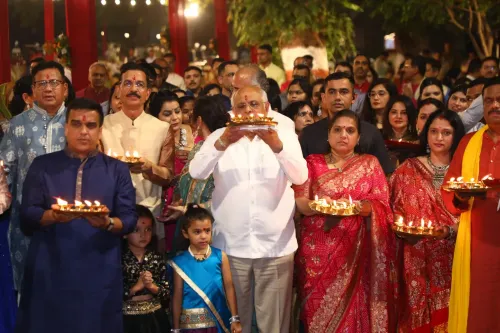
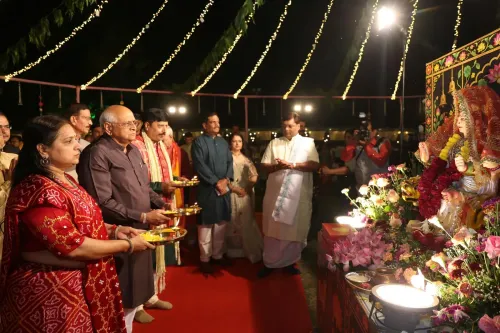
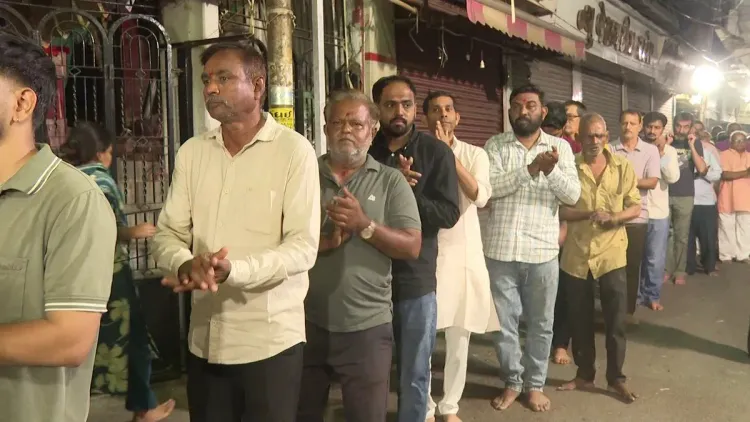
At a time when Navratri fills Gujarat's nights with colour and devotion, one corner of Vadodara quietly keeps alive a ritual that has outlasted empires, famines, and centuries of change. Gujarat Chief Minister Bhupendra Patel turned the spotlight on the Amba Mata Temple at Ghadiyali Pol, Vadodara, on Thursday, 15 October 2026, sharing a tribute to a tradition where only men participate — dressed in a chunadi (sacred headscarf) and performing Garba as 'Sakhi', feminine devotional companions of the goddess.
Writing in Gujarati, the Chief Minister described the ritual as 'aastha ane bhakti nu adbhut pratik' — 'a remarkable symbol of faith and devotion' — noting that this tradition has continued at the temple for more than 150 years. The Garba circles here revolve around an Akhand Jyot, a perpetual flame, and a lighthouse of 108 diyas (oil lamps), forms of sacred illumination that are central to the ceremony's spiritual grammar.
What Makes Ghadiyali Pol's Garba Distinct
Garba is Gujarat's signature devotional dance, performed across nine nights of Navratri in honour of the goddess. But the Ghadiyali Pol variation breaks from the familiar image of mixed or women-led circles. Here, men don the chunadi — a cloth associated with feminine offering — and embody the Sakhi form, devotees who approach the divine as companions rather than supplicants. It is a ritual inversion rooted in Bhakti philosophy, where the ego of gender is surrendered in devotion.
The 108-diya lamp tower is itself a piece of living craft. The number 108 carries deep resonance across Hindu traditions — it appears in Sanskrit texts, rosary counts, and temple architecture — making the lamp arrangement not mere decoration but a structured act of worship. Dancing around the Akhand Jyot, which burns without interruption through the Navratri nights, the performers become part of an unbroken chain stretching back generations.
Why Gujarat's Leaders Keep Returning to These Traditions
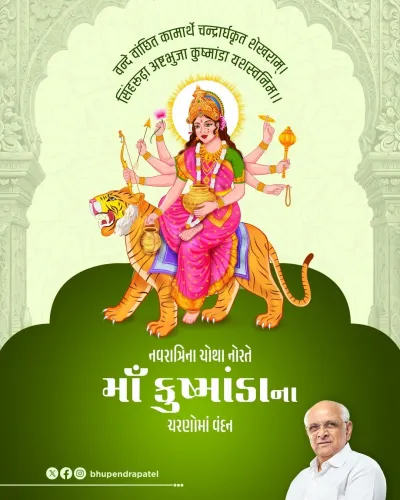
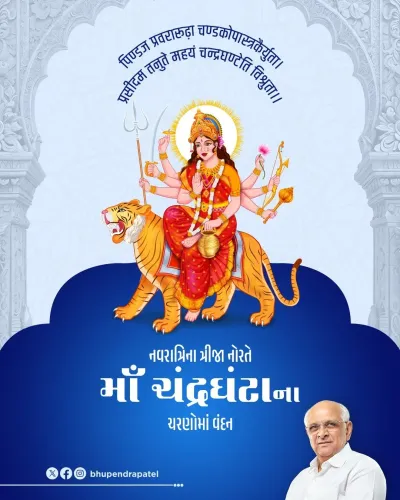
Bhupendra Patel, who leads a state where cultural identity and religious observance are deeply intertwined with public life, has consistently used platforms like X to amplify temple traditions and local customs — particularly during festival seasons. The post is part of a recognisable pattern among BJP leaders in Gujarat: positioning the state as the custodian of living, unbroken Hindu cultural practice.
Vadodara, historically known as Baroda, has long been a centre of classical arts and devotional culture. Its old-city pols — walled residential clusters — are repositories of neighbourhood-specific rituals that rarely make it into mainstream coverage but represent some of Gujarat's deepest cultural continuity. Ghadiyali Pol's Amba Mata Temple is one such node: hyperlocal in geography, centuries-wide in heritage.
As Navratri 2026 reaches its final nights, the Chief Minister's post is a reminder that Gujarat's festival landscape is not monolithic. Beneath the stadium-scale Garba events and celebrity performances, small temple courtyards still hold the original form — and the men of Ghadiyali Pol still tie on their chunadi and dance, as they have for more than a century and a half.
Point of View
Visually striking, and untouched by controversy — making it ideal for soft cultural diplomacy on social media. Amplifying such traditions also serves to distinguish Gujarat's Navratri as more than a commercial spectacle, framing the BJP's governance as a protector of grassroots religious heritage. Whether this translates into any formal documentation or state-backed preservation effort for such temple traditions remains the substantive question worth watching.
NationPress
15 Oct 2026
Frequently Asked Questions
What is the Sakhi Garba tradition at Ghadiyali Pol in Vadodara?
It is a more-than-150-year-old Navratri ritual at the Amba Mata Temple in Vadodara's Ghadiyali Pol neighbourhood, where men wear a chunadi (sacred headscarf) and perform Garba as 'Sakhi' — feminine devotional companions of the goddess — around a perpetual flame and a tower of 108 diyas.
Why do only men perform Garba at this Vadodara temple?
The tradition is rooted in Bhakti philosophy, where devotees surrender their individual identity — including gender — to the divine. Men embody the Sakhi form as an act of total devotional offering to the goddess Amba Mata.
What is the significance of 108 diyas in this Garba ritual?
The number 108 holds deep significance across Hindu traditions, appearing in sacred texts, rosary counts, and temple design. A tower of 108 oil lamps in the ritual is a structured act of worship, not merely decoration, and frames the devotional space for the Garba performance.
Why did Gujarat CM Bhupendra Patel post about this tradition?
Chief Minister Bhupendra Patel shared the tradition on 15 October 2026 during Navratri to highlight a rare, centuries-old regional variant of Garba and affirm Gujarat's living devotional heritage. Gujarat's BJP leaders regularly spotlight such temple customs during festival seasons.
What is an Akhand Jyot and why is it central to this Garba?
An Akhand Jyot is a perpetual, unbroken flame kept burning continuously through religious observances. At the Ghadiyali Pol temple, the Garba circles are performed around this flame, symbolising the uninterrupted continuity of faith and the living presence of the goddess.