CM Bhupendra Patel Thanks Sikkim CM Tamang for Warm Wishes

Synopsis
Gujarat Chief Minister Bhupendra Patel publicly thanked Sikkim Chief Minister Prem Singh Tamang on 15 July 2026 for his warm wishes, reflecting the routine goodwill exchanges that characterise India's cooperative federal politics across party lines.
Key Takeaways
Gujarat CM Bhupendra Patel posted a public thank-you to Sikkim CM Prem Singh Tamang on 15 July 2026 .
Patel addressed Tamang respectfully as 'Hon'ble Shri PS Tamang Golay ji' in his X post.
Bhupendra Patel has led Gujarat since September 2021 under the BJP .
Prem Singh Tamang has led Sikkim since May 2019 as head of the Sikkim Krantikari Morcha (SKM) .
The exchange reflects routine inter-state courtesy in Indian federal politics, cutting across party lines.
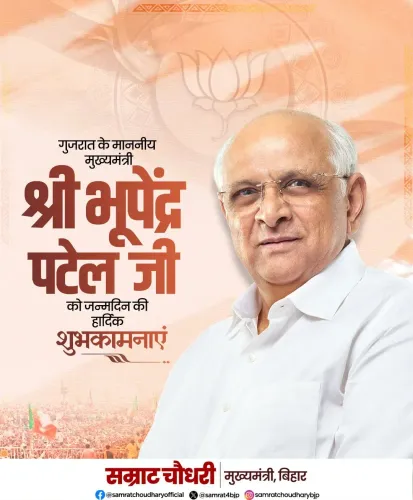
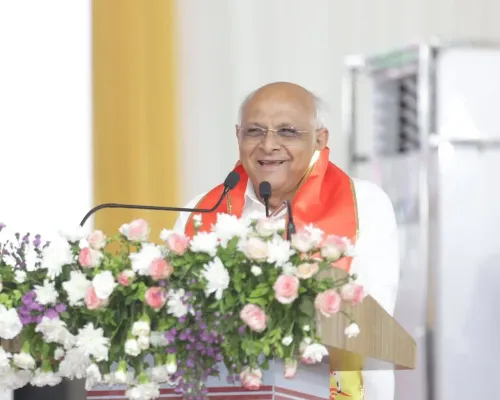
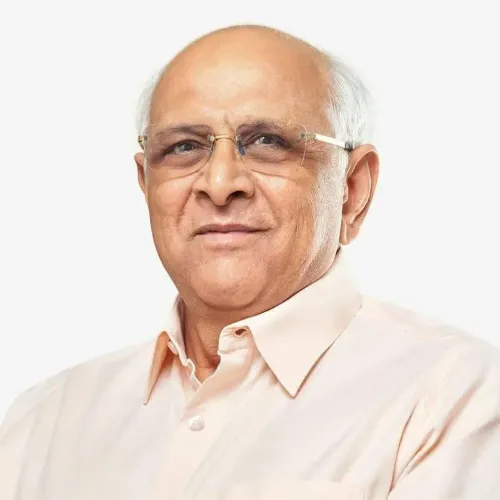
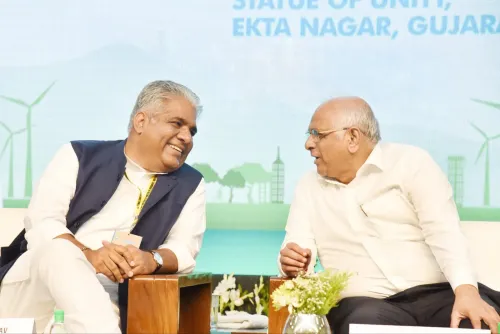
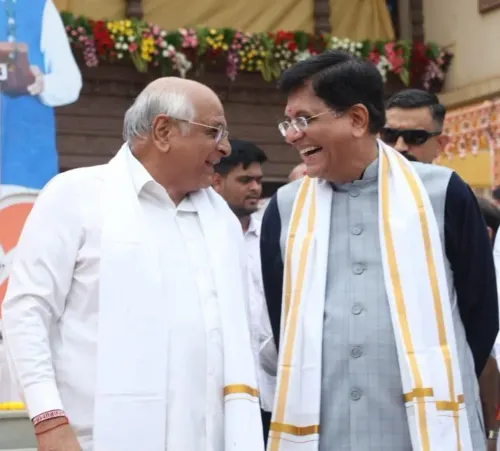
Gujarat Chief Minister Bhupendra Patel on Wednesday, 15 July 2026, publicly acknowledged and thanked Sikkim Chief Minister Prem Singh Tamang for extending warm wishes to him, expressing his heartfelt gratitude in a post on X.
Context
In his post, CM Patel addressed Sikkim CM Prem Singh Tamang, popularly known as Golay, with the salutation 'Hon'ble Shri PS Tamang Golay ji', reflecting the customary respectful tone maintained in inter-state political exchanges. The occasion for Tamang's original wishes has not been officially specified in the public domain.
Such public acknowledgements between chief ministers are a well-established feature of Indian federal political culture, cutting across party lines and regional boundaries.
Policy Backdrop
Bhupendra Patel has served as Gujarat's Chief Minister since September 2021, succeeding Vijay Rupani as the Bharatiya Janata Party's choice to lead the state. He was re-elected to the post following the Gujarat Assembly elections.
Prem Singh Tamang has led Sikkim since May 2019 as the founder-president of the Sikkim Krantikari Morcha (SKM). His government has maintained functional working relations with the Centre while operating independently of the BJP.
Stakeholders and Impact
Exchanges of public courtesies between chief ministers — regardless of party affiliation — serve to reinforce cooperative federalism and signal goodwill across state governments. The interaction between Gujarat and Sikkim underscores that inter-state relations operate on multiple levels beyond formal policy negotiations.
Both Gujarat and Sikkim engage regularly with central institutions such as NITI Aayog and inter-state council forums, where chief ministers from different political formations interact on shared national priorities.
What's Next
While the exchange is ceremonial in nature, it keeps open channels of goodwill between the two state administrations. Any substantive follow-up between Gujarat and Sikkim officials is most likely to emerge in the context of NITI Aayog deliberations or inter-state council meetings scheduled later in 2026.
Point of View
Yet it illustrates the informal diplomatic fabric that holds India's federal structure together. Chief ministers from the BJP and regional parties like the SKM routinely maintain public goodwill, even as their political trajectories diverge at the national level. For Sikkim, maintaining visible warmth with a powerful BJP-governed state like Gujarat carries practical value in navigating Centre-state relations. Such gestures, while low in immediate policy weight, are part of the steady relationship-building that shapes inter-state cooperation over time.
NationPress
15 Jul 2026
Frequently Asked Questions
Why did Gujarat CM Bhupendra Patel thank Sikkim CM Prem Singh Tamang?
Gujarat CM Bhupendra Patel thanked Sikkim CM Prem Singh Tamang for extending warm wishes to him, as acknowledged in his 15 July 2026 post on X. The specific occasion for Tamang's original wishes has not been officially confirmed.
Who is Prem Singh Tamang Golay?
Prem Singh Tamang , widely known as Golay , is the Chief Minister of Sikkim and founder-president of the Sikkim Krantikari Morcha (SKM) . He has led Sikkim since May 2019 .
Who is Bhupendra Patel?
Bhupendra Patel is the Chief Minister of Gujarat and a senior BJP leader. He assumed office in September 2021 , succeeding Vijay Rupani .
Are Gujarat and Sikkim in the same political alliance?
No. Gujarat is governed by the BJP , while Sikkim is governed by the Sikkim Krantikari Morcha (SKM) , a regional party distinct from the BJP . However, the two state governments maintain functional relations.
Is it common for Indian chief ministers from different parties to exchange public courtesies?
Yes. Public exchanges of goodwill between chief ministers across party lines are a routine feature of Indian federal politics, reflecting the cooperative federalism that operates alongside political competition.