CM Mohan Yadav attends Saksham Anganwadi event in Ujjain
Synopsis
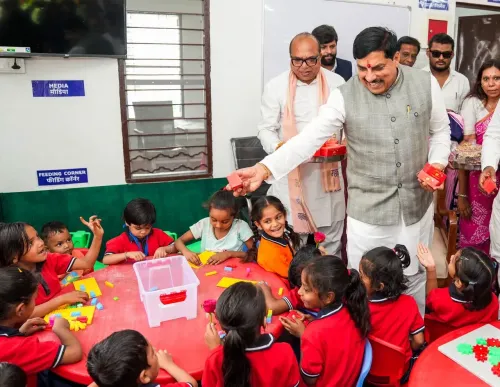
Chief Minister Dr. Mohan Yadav attended the Saksham Anganwadi Kendra strengthening programme in Ujjain on 15 July 2026, reaffirming Madhya Pradesh's commitment to improving nutrition and welfare services for women and children through upgraded Anganwadi centres.
Key Takeaways
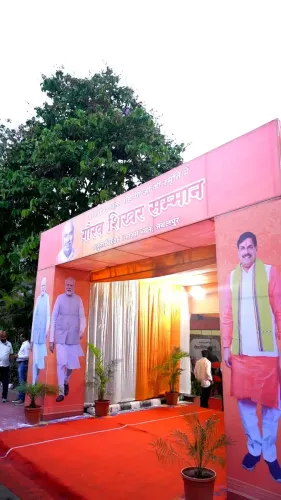
Mohan Yadav participated in the 'Saksham Anganwadi Kendra: Sudridhikaran, Avlokan Evam Samvad' programme in Ujjain on 15 July 2026 .
The event was organised by the Women and Child Development Department of Madhya Pradesh to review and strengthen Anganwadi centre operations.
The state government reiterated its commitment: 'The state government is committed to the welfare of women and children.' Anganwadi centres operate under the Integrated Child Development Services (ICDS) framework, launched nationally in 1975 , and have been upgraded under POSHAN 2.0 guidelines since 2021 .
Madhya Pradesh has layered state schemes including Ladli Behna onto the ICDS framework to address nutrition and women's empowerment simultaneously.
Stakeholders will watch for follow-up administrative orders and potential supplementary budget provisions arising from the Ujjain dialogue.
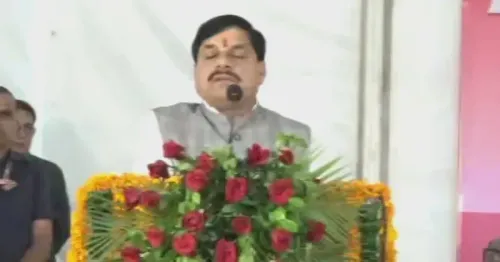
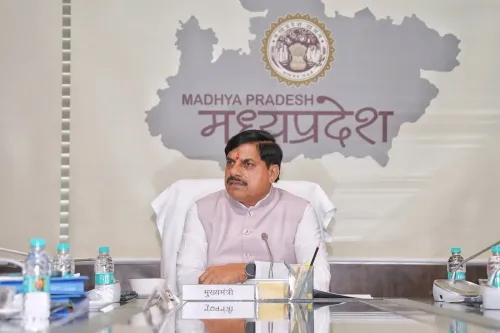
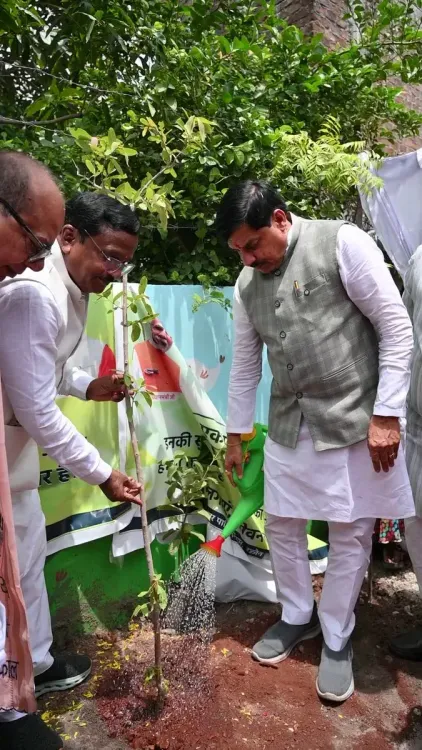
The Chief Minister's Office of Madhya Pradesh announced on Wednesday, 15 July 2026 that Chief Minister Dr. Mohan Yadav participated in the 'Saksham Anganwadi Kendra: Sudridhikaran, Avlokan Evam Samvad' programme held in Ujjain, reaffirming the state government's commitment to the welfare of women and children.
Context
The programme, whose title translates to 'Saksham Anganwadi Kendra: Sudridhikaran, Avlokan Evam Samvad' (Capable Anganwadi Centres: Strengthening, Observation and Dialogue), was organised by the Women and Child Development Department of Madhya Pradesh. The Chief Minister's Office quoted Dr. Yadav as stating, 'The state government is committed to the welfare of women and children.' The event brought together officials, Anganwadi workers and stakeholders to review and strengthen the functioning of Anganwadi centres across the state.
Ujjain, one of Madhya Pradesh's most significant administrative and cultural cities, has regularly served as a venue for state-level government outreach programmes. The choice of Ujjain for this event reflects the state's broader strategy of decentralising governance dialogues beyond the capital Bhopal.
Policy Backdrop
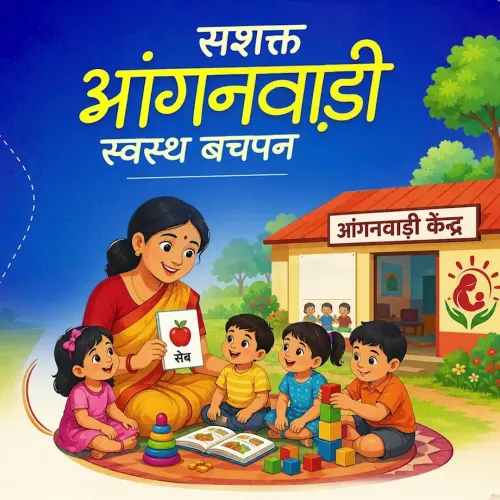
Anganwadi centres are the frontline delivery units of the Integrated Child Development Services (ICDS), a nationwide scheme launched in 1975 to provide supplementary nutrition, health check-ups and preschool education to children under six and to pregnant and lactating mothers. The Saksham Anganwadi framework, introduced under central guidelines in 2021 as part of POSHAN 2.0, mandates infrastructure upgrades, enhanced worker training and strengthened monitoring mechanisms at these centres.
POSHAN Abhiyaan, the national nutrition mission launched in 2018, set measurable targets to reduce stunting, anaemia and low birth weight. Madhya Pradesh, historically among the states with high child malnutrition indicators, has been a focus state for convergence-based interventions under this mission. The state has also layered its own scheme, Ladli Behna, onto the ICDS framework to address both immediate nutrition needs and longer-term women's empowerment outcomes.
Stakeholders and Impact
The primary beneficiaries of Anganwadi strengthening efforts are children under six years of age, pregnant women and lactating mothers in rural and semi-urban Madhya Pradesh. Anganwadi workers and helpers, who serve as the human backbone of ICDS delivery, are also direct stakeholders — their training, remuneration and working conditions are central to the programme's effectiveness.
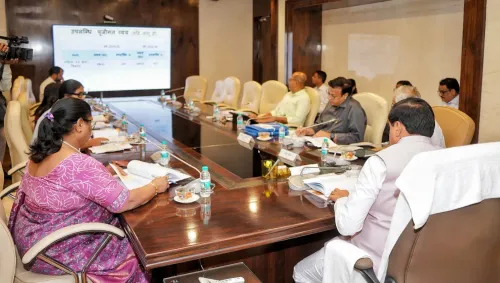
Events such as the Ujjain programme serve a dual purpose: they provide an administrative platform for reviewing on-ground implementation gaps, and they signal political priority to field-level functionaries. The Women and Child Development Department, Madhya Pradesh, as the nodal agency, is responsible for translating the dialogue outcomes into actionable directives for district-level officers and Anganwadi supervisors.
What's Next
Observers will watch for state-level rollout timelines emerging from the Ujjain dialogue, including possible announcements on infrastructure upgrades, digital monitoring tools or enhanced honoraria for Anganwadi workers. Any new commitments made at the event are expected to be reflected in the Madhya Pradesh government's subsequent administrative orders or supplementary budget provisions in the next assembly session.
With nutrition and early childhood development remaining key performance indicators under central-state partnership frameworks, the momentum from events like this will be tested against third-party evaluations of upgraded Anganwadi centres in the months ahead.
Point of View
Not merely optics. Madhya Pradesh's alignment with POSHAN 2.0 and its own Ladli Behna scheme reflects a layered approach to social welfare that successive state governments have built upon. The Ujjain venue choice also suggests an effort to demonstrate governance reach beyond Bhopal. The real test will be whether the dialogue translates into measurable improvements in child malnutrition and maternal health indicators, which remain areas of scrutiny for the state.
NationPress
15 Jul 2026
Frequently Asked Questions
What is the Saksham Anganwadi Kendra programme in Madhya Pradesh?
The Saksham Anganwadi Kendra programme is a central government initiative under POSHAN 2.0, introduced in 2021, to upgrade Anganwadi centres with better infrastructure, worker training and digital monitoring. Madhya Pradesh has been implementing this framework to improve nutrition and early childhood services.
What did CM Mohan Yadav say at the Ujjain Anganwadi event?
CM Dr. Mohan Yadav stated that 'the state government is committed to the welfare of women and children' at the Saksham Anganwadi Kendra programme held in Ujjain on 15 July 2026.
What are Anganwadi centres and who do they serve?
Anganwadi centres are rural and semi-urban service delivery units under the Integrated Child Development Services (ICDS), launched in 1975. They provide supplementary nutrition, health check-ups and preschool education to children under six, as well as to pregnant and lactating mothers.
What is POSHAN 2.0 and how does it relate to Madhya Pradesh?
POSHAN 2.0 is the central government's upgraded nutrition mission that consolidates ICDS, POSHAN Abhiyaan and other schemes to reduce stunting, anaemia and low birth weight. Madhya Pradesh, as a high-focus state for nutrition outcomes, has been aligning its Anganwadi operations with POSHAN 2.0 guidelines since 2021.
What is the Ladli Behna scheme in Madhya Pradesh?
Ladli Behna is a Madhya Pradesh state scheme that provides direct financial assistance to women, layered onto the ICDS framework. It aims to address both immediate welfare needs and longer-term economic empowerment for women in the state.