CM Mohan Yadav Highlights MP's Lead in Women Welfare Schemes
Synopsis
Madhya Pradesh CM Dr. Mohan Yadav says the state leads India in Saksham Anganwadi upgradation and PMMVY implementation, with Rs 537 cr in girl-child scholarships, Rs 798 cr in maternity benefits, and Working Women Hostels now under construction in four districts.
Key Takeaways
Working Women Hostels have begun construction in Dewas, Narmadapuram, Jhabua, and Singrauli .
12,670 mini Anganwadi centres have been simultaneously upgraded to full Anganwadi status under the Saksham Anganwadi initiative.
Scholarships worth more than Rs 537 crore distributed to 15 lakh 84 thousand girl children under Mukhyamantri Ladli Laxmi Yojana.
Madhya Pradesh has ranked first nationally in PMMVY implementation for the past two and a half years .
More than Rs 798.68 crore paid to 15 lakh 51 thousand pregnant women under PMMVY.
All Anganwadi workers, mini Anganwadi workers, and helpers have been brought under an insurance scheme .
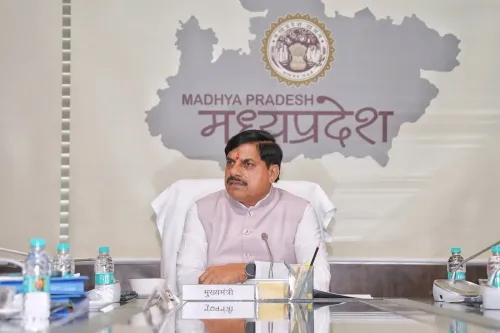
Madhya Pradesh Chief Minister Dr. Mohan Yadav on Monday, June 1, 2026, highlighted a series of women and child welfare milestones achieved by the state, citing construction of working women's hostels, mass upgradation of Anganwadi centres, and large-scale financial transfers under flagship schemes.
What the Chief Minister Said
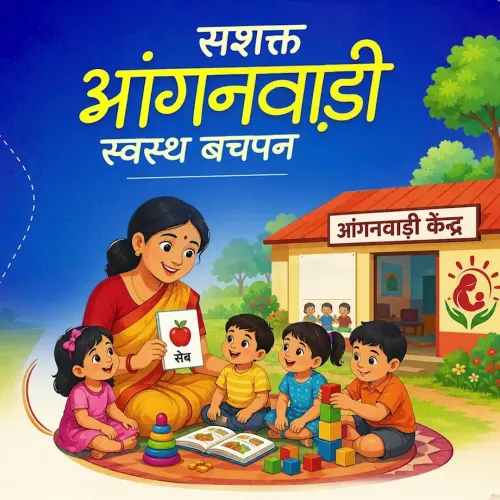
In his post, Dr. Mohan Yadav stated that construction of Working Women Hostels has commenced in Dewas, Narmadapuram, Jhabua, and Singrauli. He added that under the Saksham Anganwadi (Capable Anganwadi) upgradation drive, Madhya Pradesh leads the country, with 12,670 mini centres simultaneously upgraded to full Anganwadi status.
On the scholarships front, the Chief Minister noted that under the Mukhyamantri Ladli Laxmi Yojana, scholarships worth more than Rs 537 crore have been distributed to 15 lakh 84 thousand girl children. He also highlighted that the state has remained the national topper in implementing the Pradhan Mantri Matru Vandana Yojana (PMMVY) for the past two and a half years, with payments exceeding Rs 798.68 crore made to 15 lakh 51 thousand pregnant women. All Anganwadi workers, mini Anganwadi workers, and helpers have been covered under an insurance scheme, he added.
Context
The Mukhyamantri Ladli Laxmi Yojana was launched by Madhya Pradesh in 2007 to promote education and empowerment of girl children through financial support and scholarships at key educational milestones. The scheme has since become one of the state's most recognised social interventions.
The Pradhan Mantri Matru Vandana Yojana, a centrally sponsored maternity benefit programme, was rolled out nationally in 2017. It provides conditional cash transfers to pregnant and lactating women to compensate for wage loss and encourage institutional delivery and proper nutrition.
Policy Backdrop
The Saksham Anganwadi upgradation is part of broader modernisation efforts under the Integrated Child Development Services (ICDS) framework, aimed at improving infrastructure and service delivery at grassroots childcare centres. Upgrading mini centres to full Anganwadi status expands the range of nutrition, health, and early education services available at the community level.
The announcement of Working Women Hostels in four districts — Dewas, Narmadapuram, Jhabua, and Singrauli — signals an infrastructure push to support women who migrate for employment, a gap that urban and semi-urban planners have flagged across several Indian states. The insurance coverage extended to all Anganwadi workers and helpers addresses a long-standing demand of the workforce that runs these centres at the village level.
Stakeholders and Impact
The direct beneficiaries span multiple groups: over 15.84 lakh girl children receiving scholarships, over 15.51 lakh pregnant women receiving maternity cash transfers, and Anganwadi workers across the state now covered by insurance. Working women in the four named districts stand to benefit from dedicated hostel infrastructure once construction is complete.
Madhya Pradesh, a large central Indian state with a significant rural population, has positioned these outcomes as evidence of effective implementation rather than mere policy announcement. The state's sustained top ranking in PMMVY implementation over two and a half years is cited as a marker of administrative consistency.
What's Next
Attention will turn to the pace of hostel construction in Dewas, Narmadapuram, Jhabua, and Singrauli, and whether further districts are added to the list. State budget allocations for the next financial year will indicate whether the welfare spending trajectory is sustained or expanded.
Any legislative debate on Anganwadi worker benefits — particularly on wages and service conditions — could test how far the insurance coverage announcement translates into broader workforce security. The state's performance metrics in centrally sponsored schemes are also likely to feature in national policy reviews on maternal health and child nutrition.
Point of View
Financial transfers, and workforce welfare into a single narrative — a format increasingly used by BJP chief ministers to demonstrate alignment with the Centre's social priorities. The sustained PMMVY top-ranking claim, if borne out by official data, would represent a genuine administrative achievement in a state with large rural and tribal populations that historically lag on maternal health indicators. The simultaneous Anganwadi upgradation figure — 12,670 centres in one go — is notably large and, if verified, would mark a significant shift in service delivery capacity at the grassroots. Taken together, the announcements suggest the state government is building a welfare governance record ahead of the next electoral cycle.
NationPress
19 Sept 2026
Frequently Asked Questions
What is the Mukhyamantri Ladli Laxmi Yojana?
The Mukhyamantri Ladli Laxmi Yojana is a Madhya Pradesh government scheme launched in 2007 that provides financial support and scholarships to girl children at key educational stages to promote their education and empowerment.
Which districts in MP are getting Working Women Hostels?
According to CM Dr. Mohan Yadav's post, Working Women Hostels are under construction in Dewas, Narmadapuram, Jhabua, and Singrauli in Madhya Pradesh.
What is the Pradhan Mantri Matru Vandana Yojana?
Pradhan Mantri Matru Vandana Yojana (PMMVY) is a centrally sponsored maternity benefit scheme launched in 2017 that provides conditional cash transfers to pregnant and lactating women to support nutrition and compensate for wage loss.
How many Anganwadi centres were upgraded in Madhya Pradesh?
CM Dr. Mohan Yadav stated that 12,670 mini Anganwadi centres were simultaneously upgraded to full Anganwadi status under the Saksham Anganwadi initiative, with MP leading the country in this effort.
Are Anganwadi workers in MP covered by insurance?
Yes, CM Dr. Mohan Yadav announced that all Anganwadi workers, mini Anganwadi workers, and helpers in Madhya Pradesh have been covered under an insurance scheme.