CM Mohan Yadav Reviews Anganwadi Upgrades in Ujjain
Synopsis
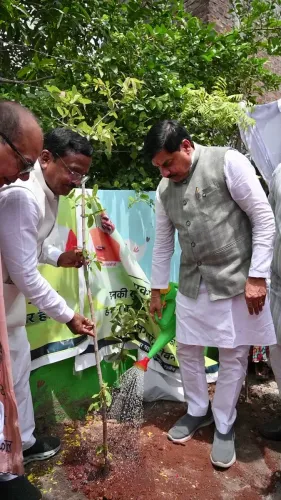
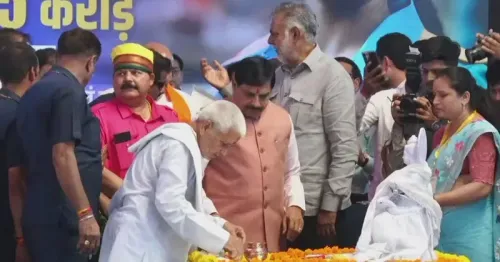
Chief Minister Dr. Mohan Yadav attended the Saksham Anganwadi Kendra programme in Ujjain on 15 July 2026, reviewing early-childhood welfare delivery, distributing Ladli Laxmi certificates and planting a sapling under the Ek Ped Maa Ke Naam campaign.
Key Takeaways
Mohan Yadav attended the Saksham Anganwadi Kendra programme in Ujjain on 15 July 2026 .
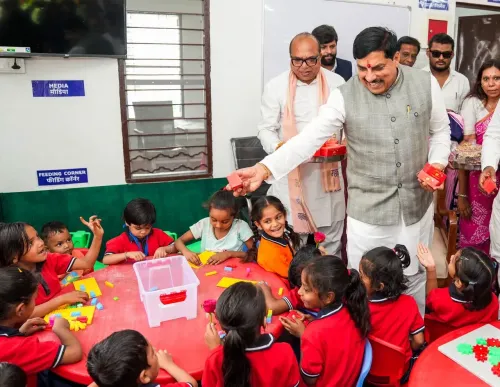
He interacted with Anganwadi workers and children to assess systems for 'all-round development' at the grassroots level.
Certificates under the Mukhya Mantri Ladli Laxmi Yojana — a girl-child welfare scheme launched in 2007 — were distributed at the event.
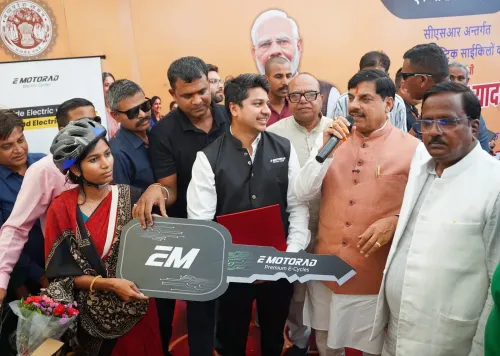
Benefits under multiple state schemes were also disbursed to eligible beneficiaries during the programme.
A sapling was planted under the Ek Ped Maa Ke Naam national plantation campaign, launched in 2024 .
The state government has stated it is making Anganwadi centres 'fully equipped with all facilities' as part of an ongoing modernisation drive.
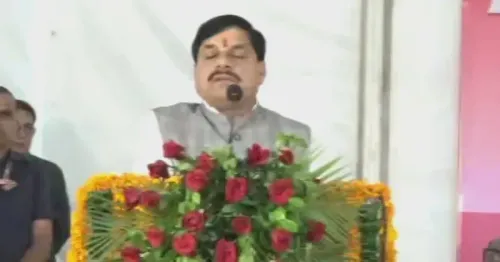
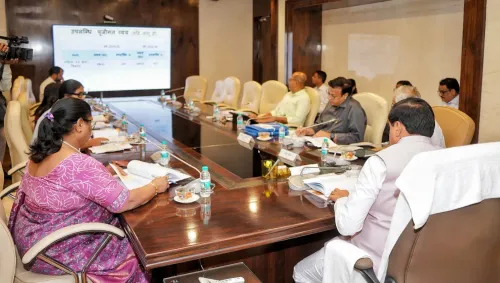
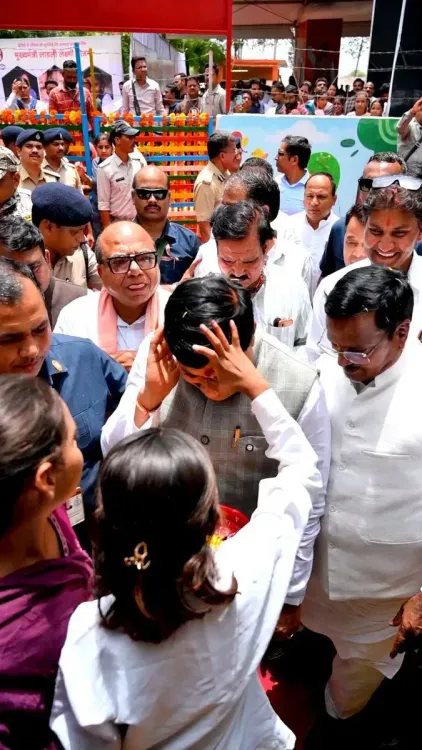
Madhya Pradesh Chief Minister Dr. Mohan Yadav visited Ujjain on Wednesday, 15 July 2026 to attend the Saksham Anganwadi Kendra: Sudridhikaran, Avlokan evam Samvad (Capable Anganwadi Centres: Strengthening, Observation and Dialogue) programme, where he interacted directly with Anganwadi workers and children to assess the state of early-childhood welfare delivery. During the event, he also distributed certificates under the Mukhya Mantri Ladli Laxmi Yojana and disbursed benefits to beneficiaries of several state schemes, and planted a sapling under the Ek Ped Maa Ke Naam campaign.
Context
In his post, Chief Minister Dr. Mohan Yadav stated: 'Rajya sarkar Anganwadiyon ko sarvasuvidhaayukt bana rahi hai' — 'The state government is making Anganwadi centres fully equipped with all facilities.' He described the day's programme as an exercise in gauging the ground-level functioning of systems running for 'all-round development', and noted the simultaneous distribution of Ladli Laxmi Yojana certificates alongside benefits under various other schemes. The visit placed him in direct dialogue with frontline workers and young children, a format the state has used to signal political accountability for welfare delivery.
Policy Backdrop
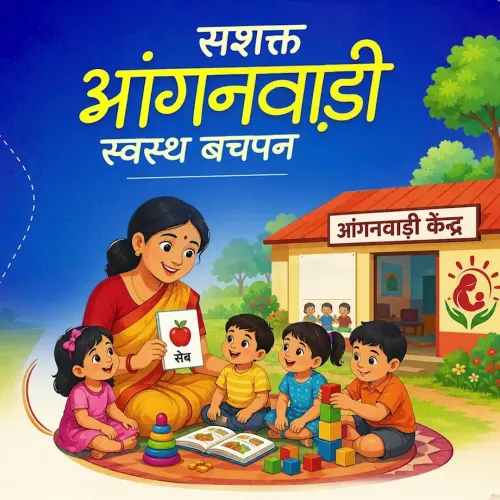
Anganwadi centres are the grassroots delivery points of the Integrated Child Development Services (ICDS), a national programme launched in 1975 to provide nutrition, pre-school education and basic health services to children under six and to pregnant and lactating mothers. Madhya Pradesh has been incrementally upgrading this infrastructure since the mid-2000s, with the current 'Saksham Anganwadi' push aligning with a broader national modernisation drive for early-childhood care.
The Mukhya Mantri Ladli Laxmi Yojana, introduced by the Madhya Pradesh government in 2007, incentivises girl-child education and financial security through periodic deposits and maturity-linked payouts. Successive governments in the state have continued and expanded the scheme, making its certificate-distribution events a recurring feature of public outreach. The Ek Ped Maa Ke Naam campaign, rolled out nationally in 2024, encourages citizens to plant trees in honour of their mothers and has been adopted across state-level events as a combined environmental and social-messaging exercise.
Stakeholders and Impact
Anganwadi workers — who function as the primary interface between state welfare machinery and rural and semi-urban communities — were central participants in the Ujjain programme. Their direct interaction with the Chief Minister is intended to surface implementation gaps and reinforce accountability at the last mile. Girl children and their families stand as the primary beneficiaries of the Ladli Laxmi certificates distributed on the day, with the scheme designed to reduce dropout rates and improve long-term financial outcomes for girls.
Rural mothers benefit on two fronts: through the nutrition and health services channelled via upgraded Anganwadi centres, and symbolically through the plantation drive conducted in their name. The convergence of these three strands — infrastructure review, direct-benefit transfer and environmental action — at a single event reflects the state's approach of bundling welfare optics with on-ground assessment.
What's Next
Progress reports on Anganwadi infrastructure upgrades across Madhya Pradesh's districts will be a key indicator of whether the 'Saksham Anganwadi' drive translates into durable improvements in service delivery. The next scheduled round of Ladli Laxmi benefit disbursements, tied to state budget cycles, will offer a further measure of the scheme's reach. Observers will also watch whether the Chief Minister's field-visit format — combining review, dialogue and benefit distribution — is replicated across other divisions of the state.
Point of View
Early-childhood development and environmental commitments in a single news cycle. The 'Saksham Anganwadi' framing also positions the current administration as continuing — and upgrading — a policy lineage stretching back to the ICDS launch in 1975 and the Ladli Laxmi scheme's debut in 2007. Whether the dialogic format with frontline workers produces actionable reforms, or remains primarily ceremonial, will determine the programme's long-term policy significance.
NationPress
14 Oct 2026
Frequently Asked Questions
What is the Saksham Anganwadi Kendra programme in Madhya Pradesh?
The Saksham Anganwadi Kendra programme is a Madhya Pradesh state initiative aimed at strengthening, observing and improving the functioning of Anganwadi centres, which deliver nutrition, pre-school education and health services to young children and mothers under the national Integrated Child Development Services framework.
What is Mukhya Mantri Ladli Laxmi Yojana?
Mukhya Mantri Ladli Laxmi Yojana is a Madhya Pradesh government scheme launched in 2007 to support girl-child education and financial security through periodic deposits and maturity-linked payouts, with the goal of reducing dropout rates and improving outcomes for girls.
What is the Ek Ped Maa Ke Naam campaign?
Ek Ped Maa Ke Naam, meaning 'One Tree in the Name of Mother', is a national tree-plantation campaign launched in 2024 that encourages citizens and public figures to plant trees as a tribute to mothers, combining environmental action with social messaging.
Why did CM Mohan Yadav visit Ujjain on 15 July 2026?
Chief Minister Dr. Mohan Yadav visited Ujjain on 15 July 2026 to attend the Saksham Anganwadi Kendra programme, where he interacted with Anganwadi workers and children to review welfare delivery systems, distributed Ladli Laxmi certificates and planted a sapling under the Ek Ped Maa Ke Naam campaign.
What are Anganwadi centres and who runs them?
Anganwadi centres are grassroots institutions operating under the central government's Integrated Child Development Services, launched in 1975. They are staffed by Anganwadi workers and provide nutrition, pre-school education and basic health services to children under six and to pregnant and lactating mothers across India.