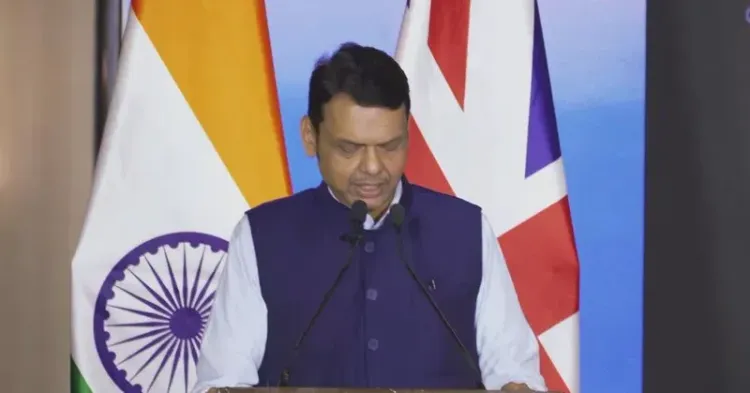
CM Fadnavis at India-UK CETA Ceremonial Inauguration
Synopsis
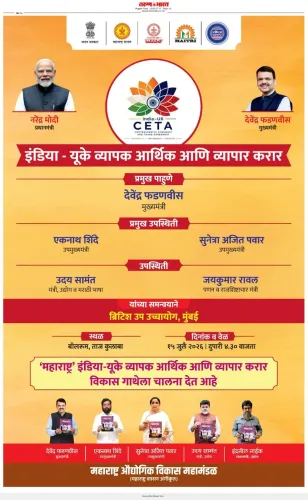
Chief Minister Devendra Fadnavis represented Maharashtra at the ceremonial inauguration of the India-UK Comprehensive Economic and Trade Agreement (CETA) on 15 July 2026, marking a landmark moment in India's bilateral trade diplomacy with the United Kingdom.
Key Takeaways
CM Devendra Fadnavis attended the ceremonial inauguration of the India-UK CETA on 15 July 2026 .
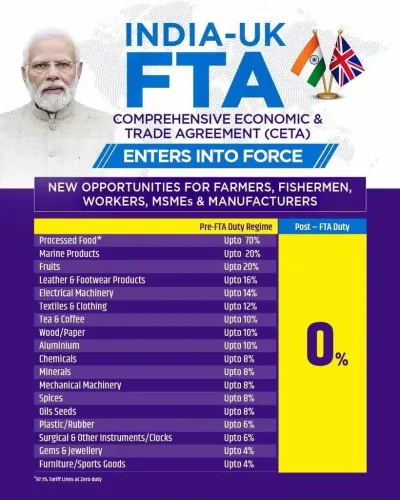
The India-UK CETA aims to reduce tariffs and expand market access in goods, services, and investment between the two countries.
Negotiations for the agreement were formally launched in January 2022 following a 2021 Enhanced Trade Partnership roadmap.
Maharashtra , India's most industrialised state, is a primary expected beneficiary given its manufacturing base and FDI profile.
The deal is part of India's broader post-pandemic strategy of bilateral trade agreements, alongside pacts with Australia and the UAE .
State-level implementation roadmaps and parliamentary ratification timelines are the key next steps to watch.
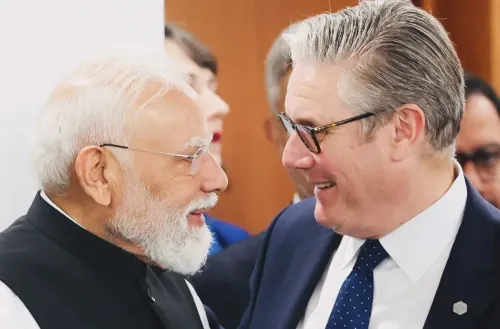
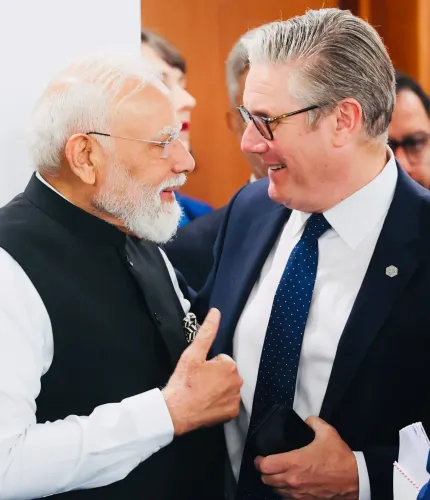
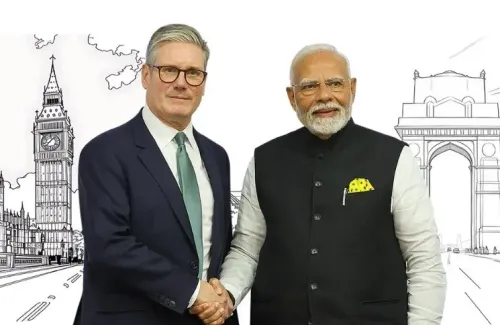
Chief Minister Devendra Fadnavis of Maharashtra attended the ceremonial inauguration of the India-UK Comprehensive Economic and Trade Agreement (CETA) on Wednesday, 15 July 2026, representing the state at one of India's most significant bilateral trade milestones in recent years.
Context
The India-UK CETA marks the culmination of negotiations that were formally launched in January 2022, following an Enhanced Trade Partnership roadmap agreed in 2021. The agreement is designed to reduce tariffs and expand market access across goods, services, and investment between the two countries. The ceremonial inauguration signals the deal's transition from negotiation to implementation.
The United Kingdom is a longstanding economic partner for India, with deep commercial, educational, and diaspora ties. Bilateral trade between the two nations has grown steadily, making a comprehensive trade framework a priority for both governments.
Policy Backdrop
India has pursued a series of bilateral trade agreements with major economies in recent years as part of a broader strategy to diversify supply chains and boost exports in the post-pandemic period. Deals with Australia and the UAE, alongside ongoing talks with the European Union, form part of the same strategic arc of which the India-UK CETA is now a centrepiece.
The agreement covers a wide scope — from manufactured goods and agricultural products to services and investment protections — giving Indian exporters and UK service providers expanded footholds in each other's markets. Maharashtra, as India's most industrialised state and a leading destination for foreign direct investment, is positioned to be among the primary beneficiaries of such national-level trade pacts.
Stakeholders and Impact
Devendra Fadnavis has consistently represented Maharashtra at major national economic events, underlining the state government's interest in translating central policy gains into state-level outcomes. Maharashtra's manufacturing base, services sector, and export-oriented industries stand to benefit directly from reduced tariffs and improved market access to the United Kingdom.
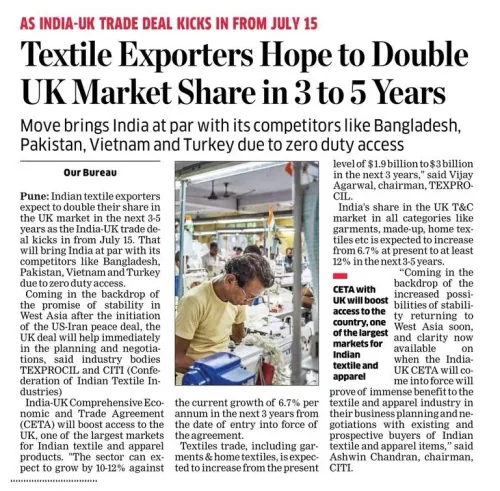
For UK service providers — particularly in financial services, legal, and educational sectors — the CETA opens a more structured pathway into the Indian market. Indian exporters in textiles, pharmaceuticals, engineering goods, and IT services are among the sectors expected to gain from the agreement's provisions.
What's Next
Attention will now shift to state-level implementation roadmaps and any sector-specific incentives that Maharashtra may announce as the CETA moves toward enforcement. Parliamentary ratification timelines and the formation of joint working groups between India and the UK will be closely watched by industry bodies and investors on both sides.
For Maharashtra, the inauguration is likely a starting point for a series of trade and investment facilitation measures that the state government may roll out in alignment with the national agreement, potentially cementing Mumbai and Pune as key nodes in the new India-UK trade corridor.
Point of View
The CETA offers a tangible foreign-policy achievement ahead of any electoral cycle. The real test, however, will be whether state-level implementation frameworks are built quickly enough to convert the deal's provisions into ground-level gains for Maharashtra's exporters and workers.
NationPress
15 Jul 2026
Frequently Asked Questions
What is the India-UK CETA?
The India-UK Comprehensive Economic and Trade Agreement (CETA) is a bilateral trade deal between India and the United Kingdom designed to reduce tariffs and expand market access in goods, services, and investment. Negotiations began formally in January 2022.
Why was CM Devendra Fadnavis at the India-UK CETA inauguration?
As Chief Minister of Maharashtra — India's most industrialised state — Devendra Fadnavis attended the ceremonial inauguration to represent the state's stake in the agreement and signal Maharashtra's readiness to leverage the deal for trade and investment.
How will the India-UK CETA benefit Maharashtra?
Maharashtra's manufacturing sector, IT and services industries, and pharmaceutical exporters are expected to gain from reduced tariffs and improved market access to the UK. The state is also a major FDI destination likely to attract British investment under the new framework.
When did India and the UK start negotiating a free trade agreement?
India and the UK formally launched free trade agreement negotiations in January 2022, following an Enhanced Trade Partnership roadmap agreed in 2021.
What happens after the India-UK CETA inauguration?
After the ceremonial inauguration, attention turns to parliamentary ratification, the formation of joint working groups, and state-level implementation plans. Maharashtra may announce sector-specific incentives to align with the national agreement.