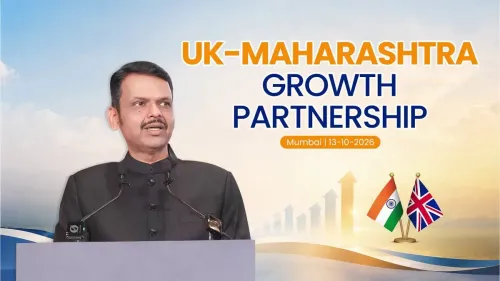
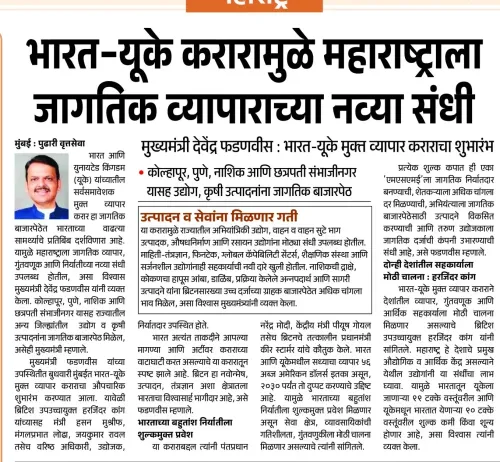
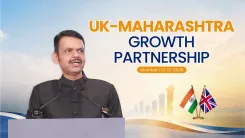
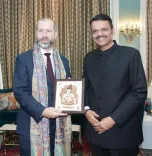
CM Fadnavis Highlights India-UK CETA for Maharashtra
Synopsis
The Chief Minister's Office of Maharashtra flagged the India-UK Comprehensive Economic and Trade Agreement on 15 July 2026, tagging CM Devendra Fadnavis and signalling the state's intent to position itself as a primary beneficiary of the landmark bilateral pact covering pharma, textiles and manufacturing.
Key Takeaways
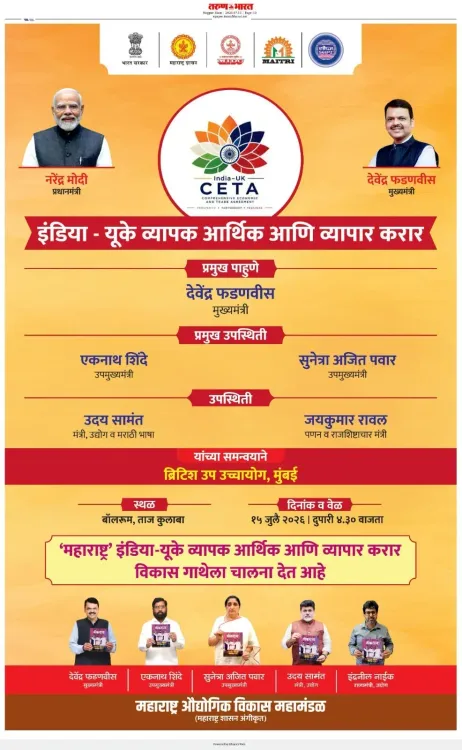
The Chief Minister's Office of Maharashtra posted about the India-UK CETA on 15 July 2026 , tagging CM Devendra Fadnavis .
The post used the Marathi term व्यापक आर्थिक आणि व्यापार करार , signalling the state is communicating the deal to a domestic audience.
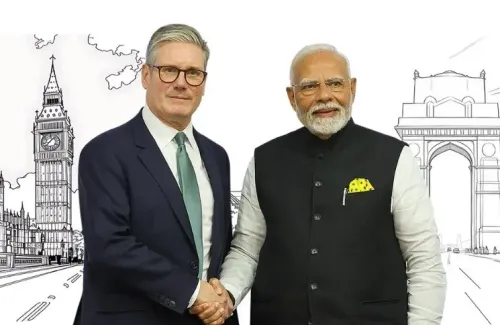
India-UK FTA negotiations were formally launched in January 2022 following a meeting between PM Narendra Modi and the UK Prime Minister.
Maharashtra is India's most industrialised state, with major pharma, auto, and textile clusters that stand to benefit from UK market access.
Parliamentary ratification in both countries and sector-specific tariff schedules remain the key milestones before the agreement takes effect.
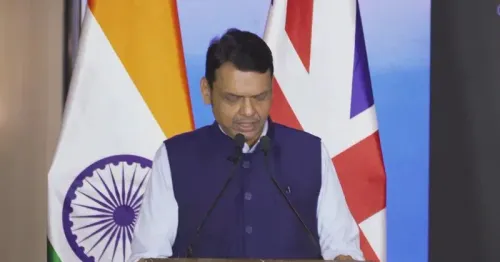
The Chief Minister's Office of Maharashtra on Wednesday, 15 July 2026 drew attention to the India-UK Comprehensive Economic and Trade Agreement (CETA), tagging Chief Minister Devendra Fadnavis in a post signalling the state's stake in the landmark bilateral trade pact between India and the United Kingdom.
Context
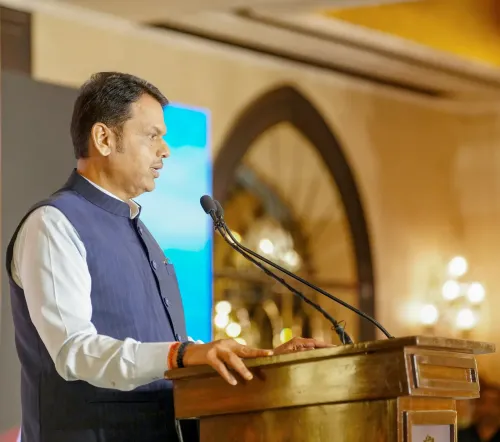
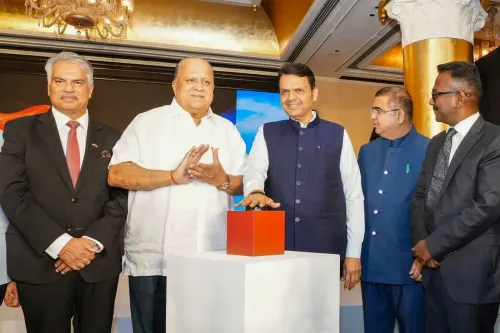
The post, shared under the hashtags #Maharashtra and #IndiaUKCETA, positions Maharashtra as a key voice in the national conversation around the India-UK trade deal. By tagging CM Devendra Fadnavis directly, the Chief Minister's Office underscored the state government's active interest in how the agreement will affect Maharashtra's export-oriented industries.
The phrasing used — इंडिया - यूके व्यापक आर्थिक आणि व्यापार करार (India-UK Comprehensive Economic and Trade Agreement) — is the Marathi rendering of the CETA framework, indicating the state is communicating the development to a Marathi-speaking audience.
Policy Backdrop
Formal negotiations for the India-UK free trade agreement were launched in January 2022, following a meeting between Prime Minister Narendra Modi and the then UK Prime Minister. The pact has been described as one of the most significant bilateral economic initiatives since the UK exited the European Union, aimed at reducing tariffs on goods and services and expanding market access in both directions.
Maharashtra, as India's most industrialised state, hosts major clusters in automobiles, pharmaceuticals, and textiles — all sectors that stand to benefit materially from improved access to the UK market. The state also commands significant port infrastructure, making it a natural gateway for any surge in bilateral trade volumes.
Stakeholders and Impact
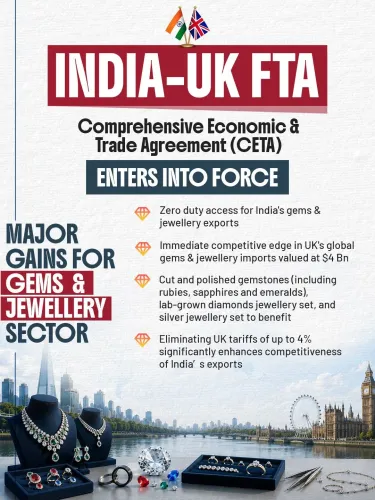
Maharashtra's textile manufacturers and pharmaceutical exporters are among the most closely watched stakeholders in the India-UK CETA process. Reduced UK tariffs on Indian generics and garments could translate into a measurable boost for factories concentrated in Pune, Nashik, Aurangabad, and the Mumbai Metropolitan Region.
India has broadly accelerated its bilateral trade-agreement agenda following the UK's EU exit, seeking to diversify export markets and attract inward investment. Maharashtra has historically positioned itself at the front of this effort through export-promotion policies and port-led logistics development.
What's Next
The agreement will need to clear parliamentary ratification processes in both countries before it takes legal effect. Sector-specific tariff schedules — particularly for pharmaceuticals and textiles — will be the critical determinants of how much Maharashtra's industries ultimately gain.
With CM Fadnavis now publicly associated with the CETA narrative, the state government is expected to advocate for favourable tariff treatment in sectors where Maharashtra holds comparative advantage, as the final text and implementation roadmap come into sharper focus.
Point of View
Particularly in election-relevant industrial belts. For Fadnavis, association with a UK trade deal carries appeal among Maharashtra's large pharma and manufacturing lobbies. The real test will come when sector-specific tariff schedules are published and the state must demonstrate it lobbied effectively for its exporters.
NationPress
13 Oct 2026
Frequently Asked Questions
What is the India-UK CETA?
The India-UK Comprehensive Economic and Trade Agreement (CETA) is a proposed bilateral trade pact between India and the United Kingdom aimed at reducing tariffs on goods and services and expanding market access for both countries. Negotiations were formally launched in January 2022.
How will the India-UK trade deal benefit Maharashtra?
Maharashtra, as India's most industrialised state, stands to benefit through improved UK market access for its pharmaceutical, textile, and automobile sectors, as well as through its port infrastructure which can handle higher bilateral trade volumes.
What did the Maharashtra CMO post about India-UK CETA?
On 15 July 2026, the Chief Minister's Office of Maharashtra posted about the India-UK CETA on X, tagging Chief Minister Devendra Fadnavis and using the Marathi phrase for the agreement to highlight the state's interest in the deal.
When will the India-UK CETA come into effect?
The agreement must first complete parliamentary ratification processes in both India and the United Kingdom. Sector-specific tariff schedules will also need to be finalised before the deal takes legal effect.
Which Maharashtra industries benefit most from the India-UK trade agreement?
Pharmaceutical exporters and textile manufacturers are among the most closely watched beneficiaries, along with the automobile sector. Key industrial clusters in Pune, Nashik, Aurangabad, and the Mumbai Metropolitan Region are expected to see the most direct impact.