CM Fadnavis to Give Farmers 12 Hours of Free Daytime Power
Synopsis
The Chief Minister's Office of Maharashtra announced on 15 July 2026 that CM Devendra Fadnavis will provide farmers with 12 hours of free daytime electricity — a major agricultural welfare commitment that builds on the state's long-running feeder-separation programme and mirrors free-power trends across Indian states.
Key Takeaways
The Chief Minister's Office of Maharashtra announced on 15 July 2026 that farmers will receive 12 hours of free electricity during daytime hours .
CM Devendra Fadnavis was directly tagged in the announcement, framing it as a flagship farmer-welfare initiative.
Maharashtra has been separating agricultural feeders from domestic lines since approximately 2015–2017 to enable reliable daytime farm supply.
MSEDCL , the state discom, will be responsible for implementing the expanded power commitment across rural Maharashtra.
The exact start date, eligible pump capacity, and funding source for the scheme have not yet been officially disclosed.
Similar free or subsidised agricultural power schemes operate in Punjab , Tamil Nadu , and Rajasthan , often creating fiscal pressure on state electricity utilities.
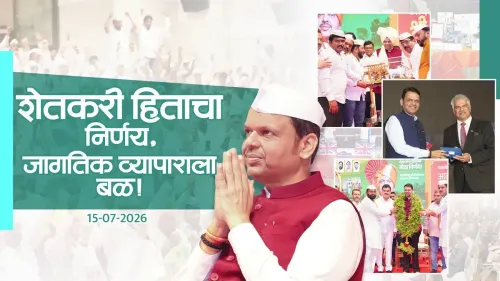
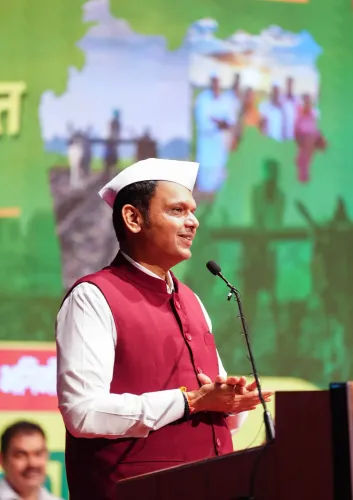
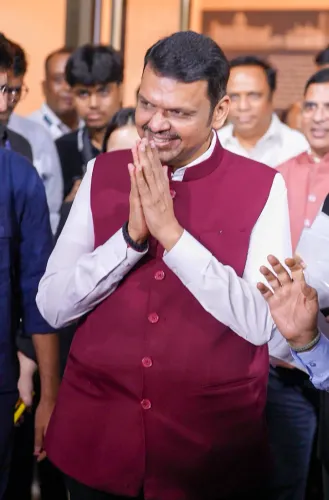
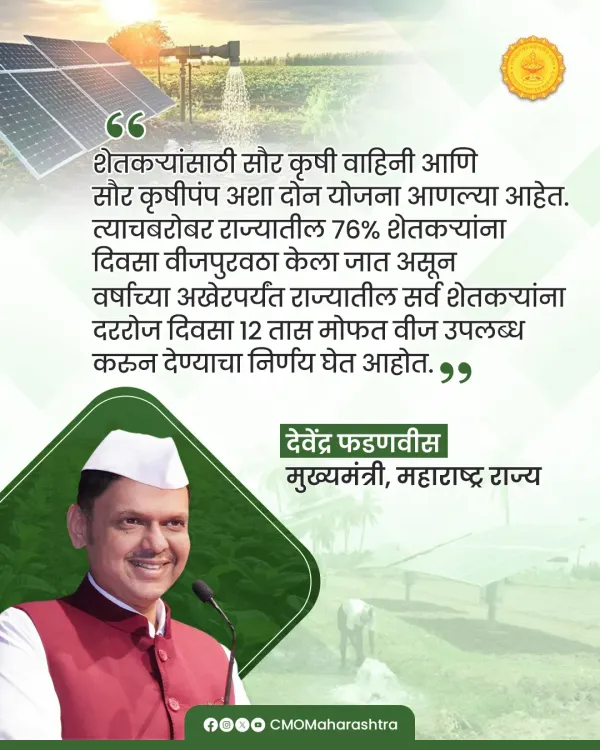
The Chief Minister's Office of Maharashtra announced on Wednesday, 15 July 2026 that the state government, under Chief Minister Devendra Fadnavis, will provide farmers with 12 hours of free electricity during the day — a significant expansion of agricultural power support in the state.
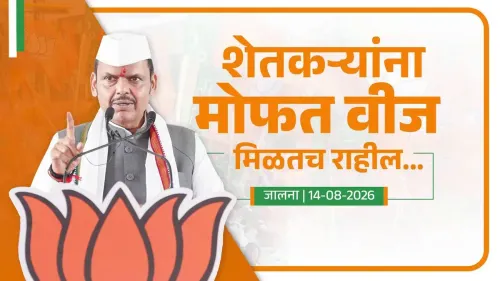
The post, shared from the official CMO account, stated in Marathi: 'शेतकऱ्यांना दिवसा 12 तास मोफत वीज देणार!' ('Will give farmers 12 hours of free electricity during the day!'), tagging Chief Minister Fadnavis directly.
Context
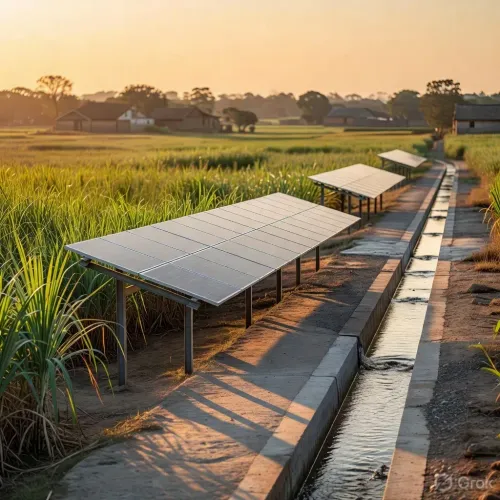
Devendra Fadnavis, a senior Bharatiya Janata Party leader, has served as Chief Minister of Maharashtra since returning to power and has consistently prioritised rural infrastructure and farm welfare. The announcement aligns with the hashtag #MahaCMforFarmers, signalling a deliberate push to position the administration as farmer-centric. Daytime power is critical for farmers who rely on electric pump sets for irrigation, as nighttime supply — historically the norm in many rural areas — is unsafe and operationally inconvenient.
Policy Backdrop
Maharashtra has been working to separate agricultural feeders from domestic and industrial lines since approximately 2015–2017, a reform effort that began during an earlier Fadnavis administration. The Maharashtra State Electricity Distribution Company Ltd (MSEDCL), the state-owned discom responsible for rural supply, has been the implementing body for such feeder-separation projects. Daytime agricultural power supply has long been a demand from farmer organisations across the state, particularly in rain-shadow regions dependent on groundwater irrigation.
Across India, states including Punjab, Tamil Nadu, and Rajasthan have offered subsidised or free agricultural power for years. Such schemes address farm distress and improve crop yields but also place significant fiscal pressure on electricity distribution companies, which must absorb the cost of unmetered or subsidised consumption through cross-subsidies or government grants.
Stakeholders and Impact
Maharashtra's farming community — numbering in the tens of millions — stands to be the primary beneficiary if the scheme is implemented as announced. Reliable daytime power would reduce dependence on diesel pump sets, lowering input costs and improving irrigation scheduling. MSEDCL, however, will face the operational challenge of rerouting feeder infrastructure and the financial burden of foregone revenue from agricultural consumers. Power sector reform advocates have noted that free-power schemes, while politically popular, can weaken discom balance sheets if not backed by adequate budgetary transfers.
What's Next
The precise implementation timeline, eligible pump capacities, and the funding mechanism for the 12-hour daytime commitment have not yet been detailed in the announcement. Clarity is expected through budgetary provisions or legislative disclosures in the upcoming monsoon session of the Maharashtra state legislature. The scheme's rollout will also be watched in the context of ongoing national power sector reforms that seek to improve discom financial health while expanding rural electrification. How Maharashtra balances farmer welfare commitments against utility viability will be a key test for the Fadnavis government in the months ahead.
Point of View
Where farm distress and power access have historically driven electoral outcomes. By anchoring the commitment to daytime supply — rather than the traditional nighttime slots — Fadnavis is signalling an operational upgrade, not merely a subsidy extension, which could differentiate this scheme from earlier iterations. However, the absence of details on funding and timelines leaves open the critical question of whether MSEDCL's already-strained finances can absorb the cost without central support or tariff cross-subsidies. The scheme's credibility will ultimately rest on implementation speed and the government's willingness to make matching budgetary transfers to the discom.
NationPress
14 Oct 2026
Frequently Asked Questions
What did Maharashtra CM Fadnavis announce for farmers regarding electricity?
CM Devendra Fadnavis announced that Maharashtra will provide farmers with 12 hours of free electricity during daytime hours, as stated by the Chief Minister's Office on 15 July 2026.
When will Maharashtra's free daytime power for farmers start?
An exact start date has not been officially announced. Further details, including the implementation timeline, are expected to be disclosed through the state budget or the monsoon session of the Maharashtra legislature.
Which farmers in Maharashtra will benefit from the free electricity scheme?
The announcement targets farmers broadly, but specific eligibility criteria such as pump capacity or land holding have not yet been disclosed by the government.
How does Maharashtra's farm power scheme compare to other states?
States like Punjab, Tamil Nadu, and Rajasthan have offered free or heavily subsidised agricultural power for years. Maharashtra's 12-hour daytime commitment, if implemented, would place it among the more generous such schemes in India.
What is MSEDCL's role in the Maharashtra free power scheme for farmers?
MSEDCL, the Maharashtra State Electricity Distribution Company Ltd, is the state-owned discom responsible for rural power supply and will be the key implementing body for any expanded daytime agricultural electricity programme.