CM Fadnavis to Grant Women Farmer Status in Maharashtra
Synopsis
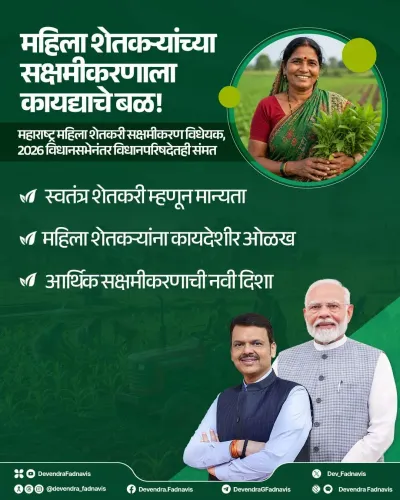
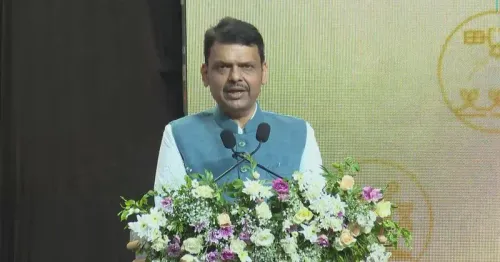
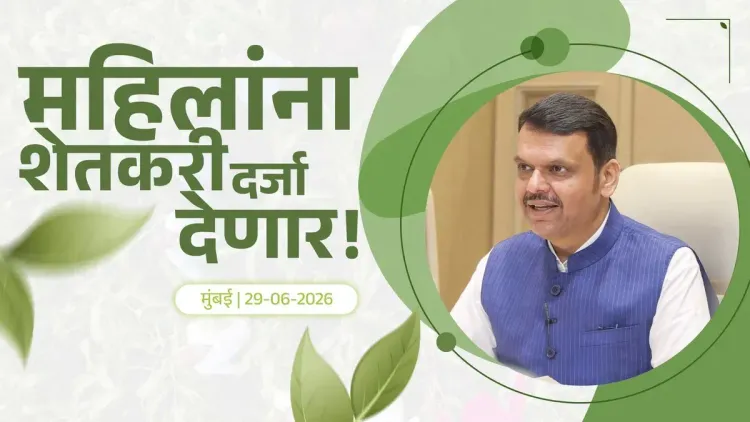
Maharashtra CM Devendra Fadnavis announced at the launch of the Satyamev Jayate Farmer Cup 2026 in Mumbai on 29 June 2026 that the state will grant women official farmer status, opening all government agricultural schemes and benefits to them.
Key Takeaways
Maharashtra CM Devendra Fadnavis announced on 29 June 2026 that women will be granted official farmer status in the state.
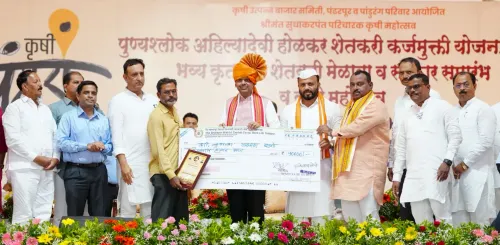
The declaration was made at the launch of 'Satyamev Jayate Farmer Cup 2026' , a water conservation initiative held in Mumbai .
Women with farmer status will become eligible for all government schemes and benefits currently available to registered farmers.
The move could open access to crop insurance, institutional credit, subsidies , and relief packages for women cultivators.
A formal administrative mechanism — such as a government resolution — is yet to be announced to operationalise the policy.
The announcement is particularly significant for drought-prone regions like Vidarbha and Marathwada , where women shoulder significant farm labour.
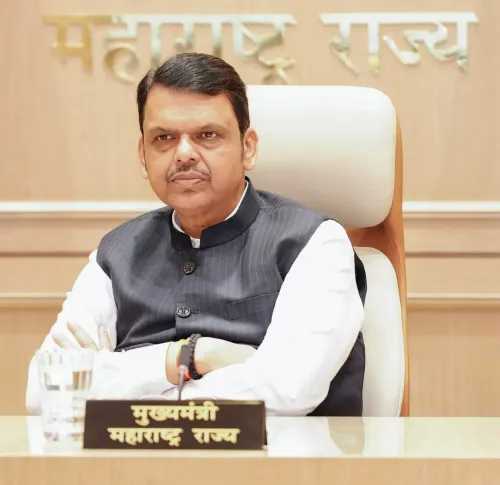
Maharashtra Chief Minister Devendra Fadnavis announced on Monday, 29 June 2026, in Mumbai, that the state government will grant women the official status of farmers, making them eligible for all government schemes and benefits currently available to male farmers. The declaration came at the launch of the 'Satyamev Jayate Farmer Cup 2026', a water conservation initiative.
Context
Speaking at the inauguration of the Satyamev Jayate Farmer Cup 2026, CM Fadnavis stated — in both Marathi and Hindi — that women would be conferred formal farmer status: 'महिलांना शेतकरी दर्जा देऊन शेतकऱ्यांसाठी असलेल्या सर्व शासकीय योजना व लाभांसाठी त्यांना पात्र करण्यात येणार आहे' ('Women will be given farmer status and made eligible for all government schemes and benefits available to farmers'). The announcement signals a significant shift in how Maharashtra's agricultural policy recognises women's contributions to farming.
Women constitute a substantial share of the agricultural workforce in Maharashtra, yet formal land ownership and registration records have historically listed male heads of household as the primary farmer. This gap has long excluded women from crop insurance, institutional credit, subsidised inputs, and state welfare schemes tied to farmer identity.
Policy Backdrop
Granting women formal farmer status addresses a structural gap that has persisted across decades of Indian agricultural policy. At the national level, schemes such as the PM-KISAN income-support programme and the Pradhan Mantri Fasal Bima Yojana crop-insurance scheme require beneficiaries to be registered as farmers — a threshold many women fail to meet because land records are not in their names.
Several Indian states have explored similar recognition in recent years, but implementation has varied widely. Maharashtra, as one of India's largest agrarian states with significant sugarcane, cotton, soybean, and onion belts, stands to affect a large number of women cultivators if the policy is operationalised through amendments to land records and beneficiary databases.
The announcement was made at the launch of the Satyamev Jayate Farmer Cup 2026, a competition associated with water conservation — an issue of acute concern in drought-prone regions of Vidarbha and Marathwada. Linking gender equity in agriculture with water stewardship reflects the state government's intent to position women as central agents in rural resource management.
Stakeholders and Impact
If implemented, the policy would allow women farmers in Maharashtra to independently access crop loans from cooperative and nationalised banks, apply for state and central government subsidies on seeds and fertilisers, and claim compensation under drought and flood relief packages. Women-headed farm households, particularly in regions with high male out-migration, stand to benefit most directly.
Farmer organisations and women's self-help groups in the state have long demanded formal recognition as a precondition for financial inclusion. The move could also have downstream effects on land-titling reforms, as states that have granted women farmer status have often had to align revenue records and 7/12 extracts — the key land document in Maharashtra — to reflect joint or independent ownership by women.
What's Next
The government is yet to announce a legislative or administrative mechanism — such as a government resolution (GR) or an amendment to the Maharashtra Land Revenue Code — to operationalise the farmer-status grant. Observers will watch for a formal GR that defines eligibility criteria, a timeline for updating 7/12 records, and integration with existing beneficiary databases for schemes like PM-KISAN and state relief funds. The Satyamev Jayate Farmer Cup 2026 itself, running under the #WaterConservation banner, is expected to engage village-level participation across Maharashtra through the coming months.
Point of View
The government signals that it views women not merely as beneficiaries but as active stakeholders in rural resource management. The real test, however, will be in execution: without a binding government resolution and updated land records, the declaration risks remaining aspirational. If backed by administrative action, it could set a template for other states grappling with the same structural exclusion of women from formal farming identity.
NationPress
28 Sept 2026
Frequently Asked Questions
What did CM Fadnavis announce about women farmers in Maharashtra?
CM Devendra Fadnavis announced on 29 June 2026 that the Maharashtra government will grant women official farmer status, making them eligible for all government schemes and benefits currently available to registered farmers.
What is the Satyamev Jayate Farmer Cup 2026?
The Satyamev Jayate Farmer Cup 2026 is a Maharashtra government initiative focused on water conservation, launched in Mumbai on 29 June 2026, at which CM Fadnavis made the women farmer status announcement.
Which government schemes will women farmers in Maharashtra be eligible for?
Once granted farmer status, women in Maharashtra would be eligible for all state and central government schemes available to farmers, including crop insurance, income support programmes, subsidies on seeds and fertilisers, and drought or flood relief.
Why are women in Maharashtra not currently recognised as farmers?
Historically, land records in Maharashtra — particularly the 7/12 extract — have listed male heads of household as the primary landowner and farmer, leaving women without the formal registration needed to access farm-linked government benefits.
When will the Maharashtra women farmer status policy take effect?
As of 29 June 2026, the government has not yet announced a formal government resolution or legislative mechanism to implement the policy; a detailed administrative order is awaited.