CM Fadnavis Reviews Maharashtra Women Farmers Bill 2026
Synopsis
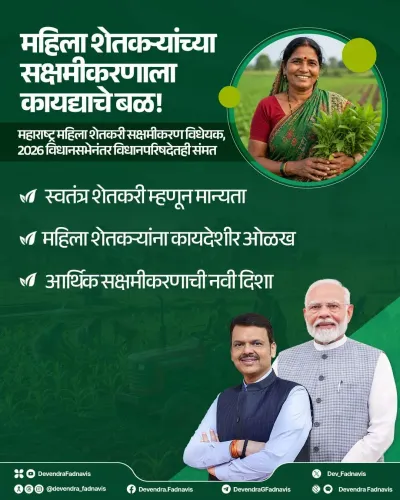
Maharashtra CM Devendra Fadnavis reviewed the proposed Women Farmers Empowerment Bill, 2026, at Varsha Bungalow on June 12, directing a final draft ahead of the Monsoon Session. The bill seeks independent legal recognition for women who make up over 81% of the state's agricultural workforce, covering landless, tenant, and migrant farm workers.
Key Takeaways
Maharashtra Women Farmers Empowerment Bill, 2026 is set to be introduced in the upcoming Monsoon Session of the state legislature.
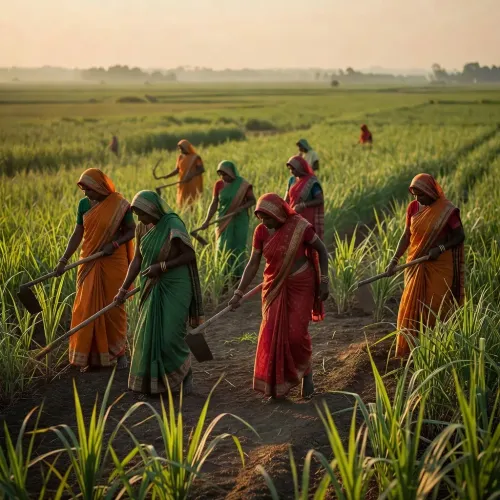
Women constitute more than 81 per cent of Maharashtra's agricultural workforce but currently lack independent legal recognition as farmers.
The bill's scope extends to landless farmers, tenant farmers, agricultural labourers, and migrant agricultural workers .
Key focus areas include access to credit, technology, markets, crop insurance, agricultural subsidies, and social security benefits .
Soumya Swaminathan , Chairperson of the M.S.
Swaminathan Research Foundation , participated in the review meeting, bringing expert agricultural policy input.
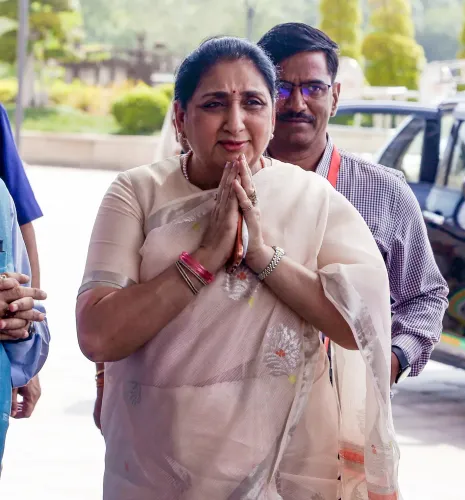
Deputy CM Sunetra Pawar , Minister Dattatray Bharane , and MoS Ashish Jaiswal were also present, indicating cross-portfolio government commitment.
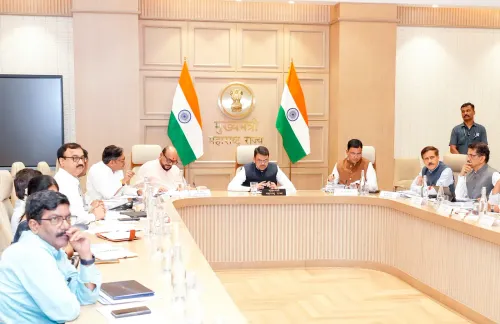
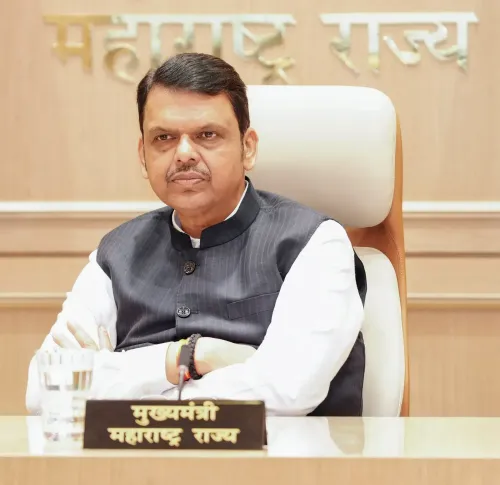
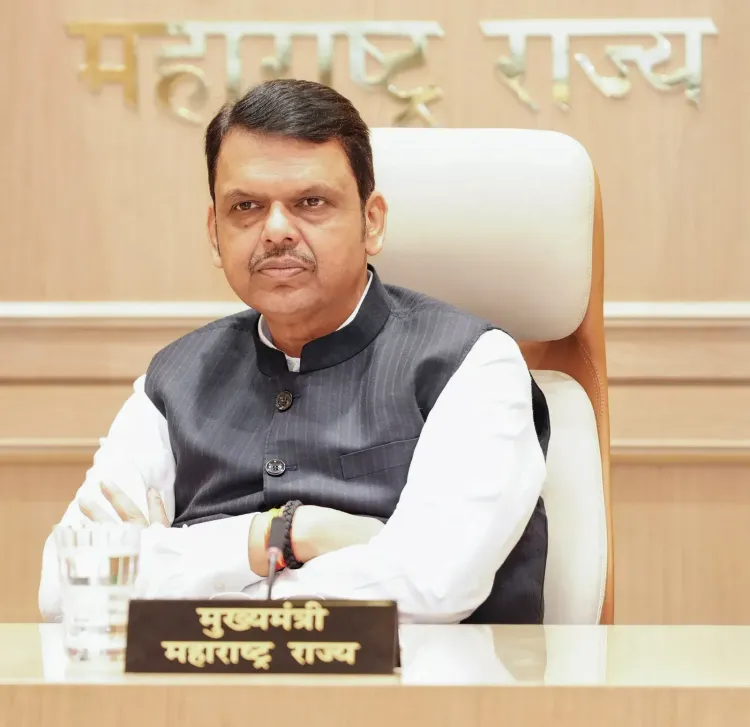
Maharashtra Chief Minister Devendra Fadnavis chaired a review meeting at Varsha Bungalow, Mumbai, on Friday, June 12, 2026, to assess the proposed Maharashtra Women Farmers Empowerment Bill, 2026, which the state government intends to introduce in the upcoming Monsoon Session of the legislature. The bill aims to grant women farmers independent legal recognition and strengthen their standing within the state's agricultural ecosystem.
Context
Announcing the meeting on X, Fadnavis noted that women contribute more than 81 per cent of the agricultural workforce across Maharashtra, yet have historically lacked formal recognition as farmers in their own right. The proposed legislation, he stated, 'seeks to ensure that women engaged in agriculture and allied activities receive recognition, rights and opportunities.' He directed officials to finalise the bill's draft after incorporating all relevant suggestions.
The meeting was attended by Deputy Chief Minister Sunetra Pawar, Minister Dattatray Bharane, Minister of State Adv. Ashish Jaiswal, and Dr. Soumya Swaminathan, Chairperson of the M.S. Swaminathan Research Foundation (MSSRF), along with senior officials and other dignitaries. The presence of Dr. Swaminathan underscores the technical and policy depth being brought to the drafting process.
Policy Backdrop
The push for formal recognition of women cultivators has deep roots in Indian agricultural policy. The National Commission on Farmers, chaired by the late M.S. Swaminathan, submitted landmark reports between 2004 and 2006 that specifically recommended support mechanisms and formal recognition for women in agriculture. The MSSRF, a Chennai-based non-profit founded in 1988, has continued this work on sustainable agriculture, food security, and rural livelihoods.
Across India, women perform the majority of agricultural labour yet hold limited land titles and face constrained access to institutional credit, crop insurance, and government subsidies. National-level efforts, including gender budgeting in agriculture schemes and periodic land rights reforms, have moved incrementally. Maharashtra's proposed bill represents a more targeted, state-level legislative intervention in this space.
Stakeholders and Impact
Fadnavis specified that the bill's framework would extend beyond land-owning women farmers to cover those engaged in allied sectors, as well as landless farmers, tenant farmers, agricultural labourers, and migrant agricultural workers — a broad scope that could affect lakhs of women across the state. Key areas of focus include improving access to credit, technology, markets, crop insurance, agricultural subsidies, and social security benefits.
By granting independent legal identity, the legislation could enable women farmers to directly access government schemes, apply for institutional loans, and claim insurance payouts without routing claims through male family members. Tenant farmers and landless labourers, who are among the most economically vulnerable, stand to benefit from formal recognition that has historically eluded them under existing land-title-based frameworks.
What's Next
The immediate step is the preparation of a final draft bill incorporating suggestions gathered at the review meeting. The government has indicated the bill will be tabled in the Maharashtra Monsoon Session of the legislature. Once introduced, it will face scrutiny in debate, after which rules notification and budgetary provisions — particularly for credit access and insurance schemes — will be critical markers of implementation intent.
If passed and operationalised, Maharashtra's framework could serve as a model for other states grappling with the same structural gap, and may inform future central government policy on women's land and agricultural rights. The involvement of the MSSRF signals an intent to ground the legislation in evidence-based recommendations that trace back to the Swaminathan Commission's foundational work.
Point of View
2026 is a significant legislative move that attempts to close a structural gap the Swaminathan Commission identified over two decades ago — the invisibility of women cultivators in formal agricultural systems. By anchoring the review to the MSSRF and inviting Dr. Soumya Swaminathan, the Fadnavis government is signalling a policy-depth approach rather than a symbolic gesture. The bill's broad beneficiary scope, encompassing tenant and landless workers alongside women who own land, suggests an ambition to reshape Maharashtra's agrarian welfare architecture. If the legislation is operationalised with adequate budgetary backing, it could set a replicable precedent at the national level and burnish the BJP-led state government's credentials on rural welfare ahead of future electoral cycles.
NationPress
20 Sept 2026
Frequently Asked Questions
What is the Maharashtra Women Farmers Empowerment Bill 2026?
It is a proposed state legislation reviewed by CM Devendra Fadnavis on June 12, 2026, that aims to grant women farmers in Maharashtra independent legal recognition as farmers, along with improved access to credit, crop insurance, subsidies, and social security benefits. It is expected to be introduced in the Maharashtra Monsoon Session.
What percentage of Maharashtra's agricultural workforce is women?
According to CM Fadnavis's statement, women contribute more than 81 per cent of the agricultural workforce across Maharashtra, yet have historically lacked formal recognition as farmers.
Who attended the Maharashtra Women Farmers Bill review meeting?
The meeting at Varsha Bungalow, Mumbai, was attended by Deputy CM Sunetra Pawar, Minister Dattatray Bharane, MoS Ashish Jaiswal, Dr. Soumya Swaminathan (Chairperson of the M.S. Swaminathan Research Foundation), senior officials, and other dignitaries.
Who is Dr. Soumya Swaminathan and why is she involved in this bill?
Dr. Soumya Swaminathan is the Chairperson of the M.S. Swaminathan Research Foundation (MSSRF), a Chennai-based organisation focused on sustainable agriculture and rural livelihoods. She was present at the review meeting, lending expert agricultural policy input to the bill's drafting process.
Will the Maharashtra Women Farmers Bill cover landless and tenant farmers?
Yes. CM Fadnavis stated that the proposed framework will support not only women who own land but also those engaged in allied agricultural sectors, along with landless farmers, tenant farmers, agricultural labourers, and migrant agricultural workers.