Maharashtra Women Farmers Bill 2026 to be tabled in Monsoon Session
Synopsis
More than 81 per cent of Maharashtra's agricultural workforce is female — yet most farm schemes legally exclude them. The Maharashtra Women Farmers Empowerment Bill, 2026, set for the Monsoon Session, would for the first time give women cultivators statutory recognition as independent farmers, with their own digital database, a dedicated state fund, and coverage extending to landless, tenant, and migrant workers.
Key Takeaways
The Maharashtra Women Farmers Empowerment Bill, 2026 , will be introduced in the upcoming Monsoon Session of the state legislature.
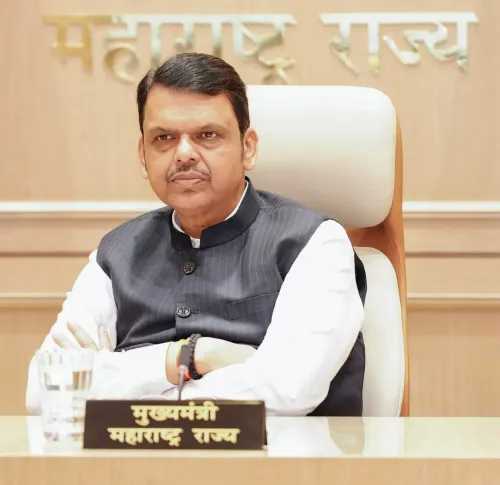
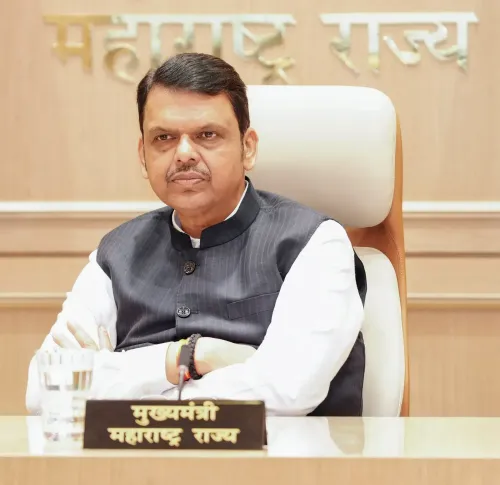
CM Devendra Fadnavis directed officials on 12 June 2026 to finalise a comprehensive policy framework for women farmers.
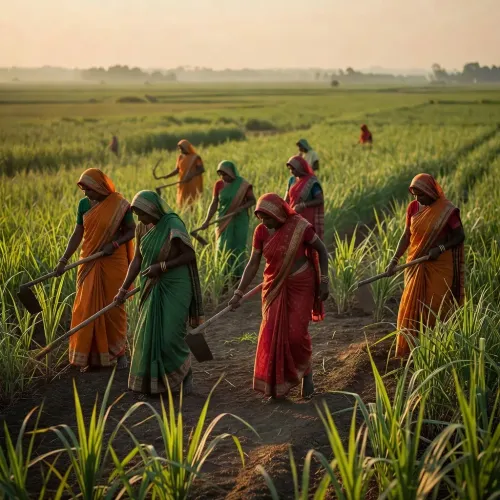
Women constitute more than 81 per cent of agricultural participation in Maharashtra , yet most schemes remain male-centric.
The Bill will cover landless farmers, tenant farmers, agricultural labourers, pastoral workers, and migrant agricultural workers.
A dedicated 'Maharashtra State Women Farmers Fund' and a State-Level Monitoring Committee headed by the Chief Secretary are proposed under the legislation.
A standalone digital database of women farmers and integrated access to subsidies, credit, and insurance are also envisaged.
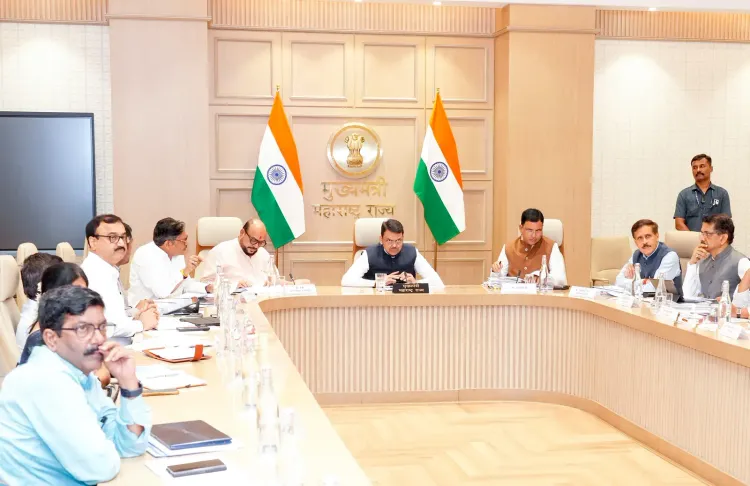
Maharashtra is set to introduce the Maharashtra Women Farmers Empowerment Bill, 2026, during the upcoming Monsoon Session of the state legislature, a move that would grant legal recognition to women farmers as independent agricultural producers for the first time. Chief Minister Devendra Fadnavis on Friday, 12 June, directed officials to draft a comprehensive policy framework to protect the rights of women farmers and advance their holistic empowerment, speaking at a formal presentation on the proposed legislation.
Why the Bill Is Needed
Women account for more than 81 per cent of agricultural participation in Maharashtra, yet the overwhelming majority of farm policies and government schemes remain male-centric. Because land ownership is typically a prerequisite for accessing agricultural benefits, a significant share of women cultivators are effectively shut out. Women working on family-owned or community land — and those engaged in allied activities such as fisheries, livestock rearing, poultry farming, and forest-produce collection — are routinely not classified as farmers under existing frameworks.
It is precisely this structural exclusion that the proposed legislation seeks to address. The Bill, as directed by CM Fadnavis, will confer statutory recognition on women engaged in agriculture as 'farmers,' establish institutional welfare mechanisms, and guarantee access to credit, technology, markets, and essential services.
Scope of the Proposed Legislation
Beyond conventional crop farming, the Bill is expected to cover animal husbandry, dairy farming, poultry, beekeeping, fisheries, sericulture, horticulture, floriculture, mushroom cultivation, agroforestry, and collection of forest produce. Critically, its ambit will extend to landless farmers, tenant farmers, agricultural labourers, pastoral workers, and migrant agricultural workers — categories historically invisible in policy design.
The CM also called for a dedicated digital system through which women farmers can access state government loan schemes, agricultural subsidies, seeds, fertilisers, crop insurance, extension services, market facilities, transportation, storage infrastructure, and social security schemes. A standalone digital database of women farmers is also envisaged under the Bill.
Institutional Framework Proposed
CM Fadnavis emphasised the need for a dedicated 'Maharashtra State Women Farmers Fund' to financially empower women cultivators. He called for a robust institutional structure at the district, taluka, and village levels to operationalise the law on the ground. A State-Level Monitoring Committee, to be headed by the Chief Secretary, has been proposed to oversee implementation and conduct periodic reviews of the legislation's progress.
What Comes Next
The CM directed that all stakeholder suggestions be incorporated into the final draft before the Bill is introduced. If passed during the Monsoon Session, Maharashtra would become one of the few Indian states with a standalone legislative framework recognising women as independent farmers. The legislation, according to Fadnavis, is intended to set a new benchmark for gender equality in the agricultural sector, providing millions of women farmers with an independent identity, enforceable rights, and access to opportunities previously denied to them.
Point of View
Or whether the digital database becomes another under-maintained register. The inclusion of landless, tenant, and migrant workers is the Bill's most ambitious clause and, predictably, its most difficult to implement. A monitoring committee headed by the Chief Secretary is a credible accountability signal, but enforcement at taluka and village level is where similar frameworks have historically stalled.
NationPress
22 Sept 2026
Frequently Asked Questions
What is the Maharashtra Women Farmers Empowerment Bill, 2026?
It is a proposed state law that would grant legal recognition to women engaged in agriculture as independent 'farmers' in Maharashtra. The Bill aims to end their exclusion from government schemes that require land ownership and will cover a broad range of activities from crop farming to fisheries and agroforestry.
When will the Bill be introduced?
Chief Minister Devendra Fadnavis has directed that the Bill be tabled during the forthcoming Monsoon Session of the Maharashtra state legislature. The final draft will incorporate all stakeholder suggestions received before that session.
Why are women farmers currently excluded from agricultural schemes in Maharashtra?
Most agricultural schemes require land ownership as a prerequisite for eligibility. Since the majority of women farmers cultivate family-owned or community land rather than holding title themselves, they do not qualify. The proposed Bill seeks to remove this structural barrier by granting statutory farmer status regardless of land ownership.
Who will be covered under the proposed legislation?
The Bill is expected to cover women engaged in conventional farming as well as allied activities including animal husbandry, dairy, poultry, fisheries, sericulture, horticulture, and agroforestry. It will also extend to landless farmers, tenant farmers, agricultural labourers, pastoral workers, and migrant agricultural workers.
What institutional mechanisms are proposed under the Bill?
The Bill proposes a dedicated Maharashtra State Women Farmers Fund, a digital database of women farmers, integrated access to credit and insurance, and a State-Level Monitoring Committee headed by the Chief Secretary. Implementation structures are planned at the district, taluka, and village levels.