CM Fadnavis to table Women Farmer Bill in monsoon session
Synopsis
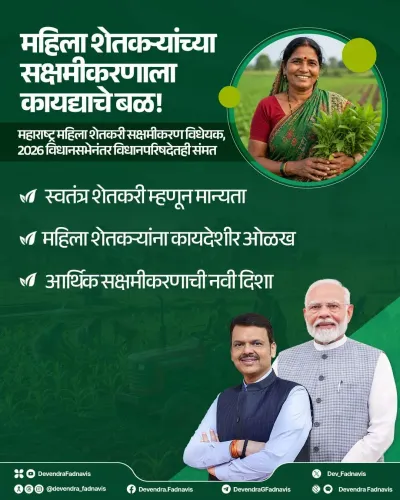
Maharashtra CM Devendra Fadnavis chaired a meeting on 12 June 2026 to finalise the 'Maharashtra Mahila Shetkari Sashaktikaran Vidheyak 2026', a landmark bill to grant statutory recognition to women as independent farmers, to be tabled in the upcoming monsoon session.
Key Takeaways
The Maharashtra Mahila Shetkari Sashaktikaran Vidheyak 2026 will be introduced in the state legislature's monsoon session.
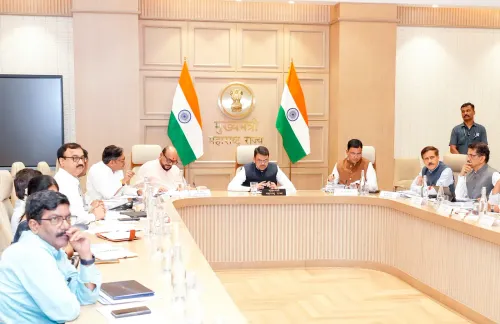
CM Devendra Fadnavis chaired a preparatory meeting at Varsha residence, Mumbai, on 12 June 2026 .
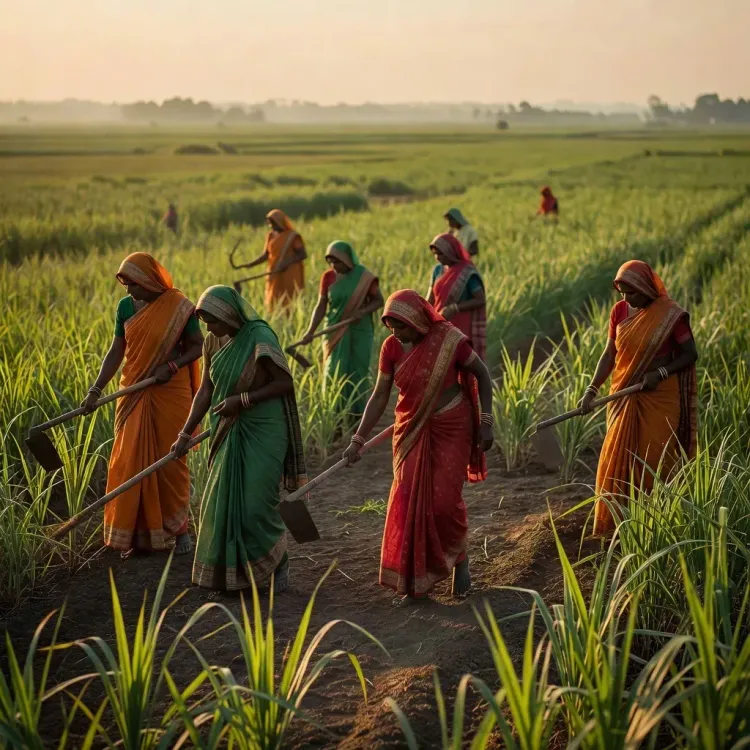
More than 81 per cent of Maharashtra's agricultural workforce is female, yet most women are excluded from scheme benefits due to land-ownership requirements.
The bill will cover women in allied sectors including fisheries, dairy, poultry, beekeeping, sericulture, and forest-produce collection , as well as landless and tenant farmers.
A dedicated Maharashtra State Women Farmer Fund and a digital database of women farmers are proposed under the bill.
A Chief Secretary-led state monitoring committee will oversee implementation down to village level.
The Chief Minister's Office of Maharashtra announced on Friday, 12 June 2026 that the 'Maharashtra Mahila Shetkari Sashaktikaran Vidheyak (Women Farmer Empowerment Bill), 2026' will be introduced in the upcoming monsoon session of the state legislature, following a preparatory meeting chaired by Chief Minister Devendra Fadnavis at his Varsha residence in Mumbai.
Context
The proposed legislation aims to grant independent statutory recognition to women as farmers — a status currently denied to the vast majority of women working in agriculture because most government schemes require land ownership as a qualifying condition. CM Fadnavis noted at the meeting that more than 81 per cent of participants in Maharashtra's agricultural sector are women, yet large numbers remain excluded from scheme benefits because the land is not registered in their names.
Women who cultivate family or community land, as well as those engaged in allied activities such as fisheries, animal husbandry, poultry farming, and forest-produce collection, currently receive no formal recognition as farmers. The bill is designed to close that gap by broadening the statutory definition of 'farmer' to include these categories.
Policy Backdrop
India's agricultural workforce has undergone a well-documented feminisation since the 1990s, as male migration to urban centres left women managing farm operations without corresponding legal or financial standing. The national Mahila Kisan Sashaktikaran Pariyojana, launched in 2011 under the Ministry of Rural Development, attempted to address this through self-help group linkages, but land-title barriers persisted at the scheme-delivery level.
Maharashtra's proposed bill goes further by seeking a dedicated 'Maharashtra State Women Farmer Fund' (Maharashtra Rajya Mahila Shetkari Nidhi) and a digital database of women farmers, enabling direct access to credit schemes, agricultural subsidies, seeds, fertilisers, crop insurance, extension services, market linkages, transport, storage, and social security programmes. CM Fadnavis directed officials to study all these components and prepare a final draft incorporating them.
The M.S. Swaminathan Research Foundation (MSSRF), a Chennai-based body specialising in sustainable agriculture and gender issues, was represented at the meeting by its Chairperson Dr Soumya Swaminathan, a former WHO Chief Scientist, signalling the state's intent to anchor the bill in evidence-based agricultural science.
Stakeholders and Impact
The bill's draft scope — as directed by CM Fadnavis — is broad. Beyond cultivators of owned land, it is intended to cover landless farmers, tenant farmers, agricultural labourers, pastoral workers, and migrant agricultural workers, as well as women in dairy, beekeeping, sericulture, horticulture, floriculture, mushroom cultivation, and agro-forestry. This framing could bring lakhs of women who have historically fallen outside the formal farm-support architecture into the benefits net.
Implementation oversight will rest with a state-level monitoring committee chaired by the Chief Secretary, with a mandate for regular review. CM Fadnavis stressed the need for strong institutional machinery extending from the state down to district, taluka, and village levels.
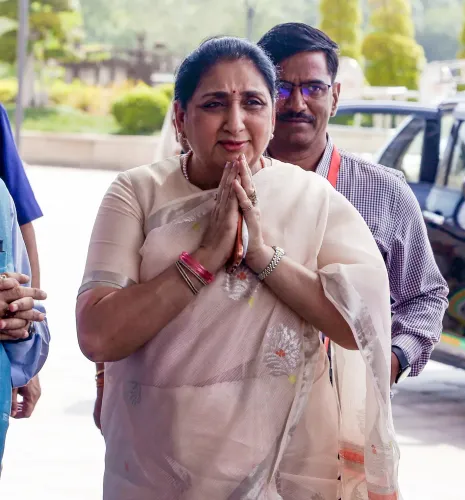
The meeting was also attended by Deputy Chief Minister Sunetra Ajit Pawar, Minister Dattatray Bharane, and Minister of State Adv. Ashish Jaiswal, indicating cross-departmental political buy-in for the initiative.
What's Next
Officials have been directed to consolidate all suggestions and prepare the final draft of the bill before the monsoon session. Once tabled, the legislature will need to pass the bill and the government will then frame rules — including the operational structure of the proposed women-farmer fund and the digital registry — through the Chief Secretary-led committee. The bill, if enacted, would position Maharashtra as a benchmark state for gender equity in agriculture, CM Fadnavis said, adding that it would provide millions of women farmers with 'an independent identity, rights, and opportunities.'
Point of View
Moving well beyond the incremental self-help-group model of earlier national programmes. By explicitly including landless, tenant, and allied-sector workers in the definition of 'farmer', the Fadnavis government is attempting to resolve a decades-old policy contradiction: women do the bulk of farm work but hold almost none of the legal standing that unlocks state support. The presence of MSSRF Chairperson Dr Soumya Swaminathan at the drafting meeting lends scientific credibility but also raises the bar for implementation quality. Whether the proposed digital registry and dedicated fund translate into ground-level change will depend heavily on the rules framed after the bill's passage — and on the robustness of the district-to-village machinery CM Fadnavis has insisted upon.
NationPress
13 Sept 2026
Frequently Asked Questions
What is the Maharashtra Mahila Shetkari Sashaktikaran Vidheyak 2026?
It is a proposed Maharashtra state law that will grant statutory recognition to women as independent farmers, enabling them to access government agricultural schemes, credit, subsidies, and social security benefits even if they do not hold land titles.
When will the Women Farmer Empowerment Bill be tabled in Maharashtra?
CM Devendra Fadnavis announced on 12 June 2026 that the bill will be introduced during the upcoming monsoon session of the Maharashtra state legislature.
Who attended the meeting on the Maharashtra Women Farmer Bill?
The meeting at Varsha residence, Mumbai, was chaired by CM Devendra Fadnavis and attended by Deputy CM Sunetra Ajit Pawar, Minister Dattatray Bharane, Minister of State Adv. Ashish Jaiswal, and MSSRF Chairperson Dr Soumya Swaminathan, along with senior officials.
What percentage of Maharashtra's farm workers are women?
CM Fadnavis stated at the meeting that more than 81 per cent of participants in Maharashtra's agricultural sector are women, the majority of whom are currently excluded from scheme benefits due to land-ownership conditions.
What is the Maharashtra State Women Farmer Fund?
The 'Maharashtra Rajya Mahila Shetkari Nidhi' is a dedicated state fund proposed under the bill to finance support mechanisms for women farmers; officials have been directed to study its structure before the final draft is prepared.