Maharashtra Women Farmers Bill 2026: Certificates, fund, and formal recognition
Synopsis
Maharashtra has tabled a first-of-its-kind bill that legally redefines 'farmer' to include landless women, contractual tenants, and seasonal migrants — and backs the definition with formal certificates and a dedicated state fund. With women comprising over 81% of the state's farm workforce yet largely excluded from benefits, this legislation targets the structural fault line at the heart of Indian agrarian policy.
Key Takeaways
Maharashtra introduced The Maharashtra Women Farmers Empowerment Act, 2026 (L.A.
XLVIII of 2026) on 1 July 2026 .
The Bill was tabled by Agriculture Minister Dattatraya Bharane ; CM Devendra Fadnavis noted women account for over 81% of the state's agricultural workforce.
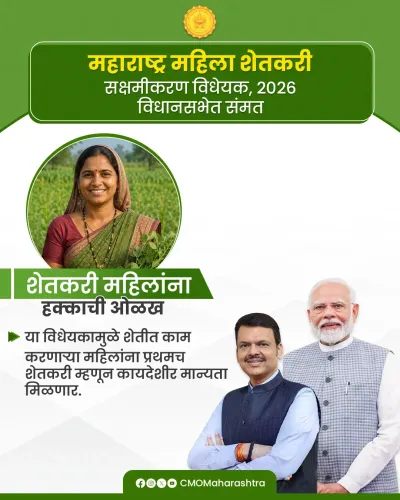
Formal 'Woman Farmer Certificates' will be issued; the definition of 'farmer' is expanded to include landless labourers, contractual tenants, pastoralists, and seasonal migrants.
A Maharashtra State Fund for Women Farmers will be created, drawing from the state consolidated fund, Central grants, and donations.
A Women Farmers Empowerment Cell , State Monitoring Committee , and Appellate Officers will form the accountability and grievance framework.
CM Fadnavis directed the creation of an independent digital database linking enrolled women farmers to loans, subsidies, crop insurance, and social security schemes.
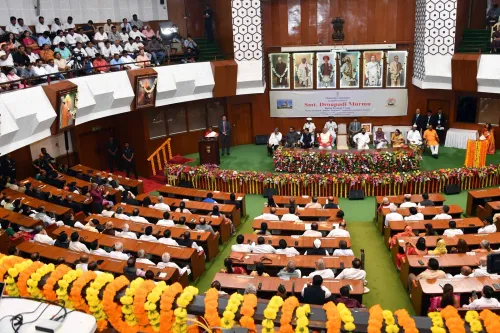
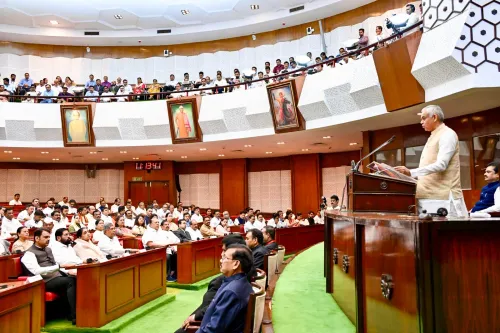
The Maharashtra government on Wednesday, 1 July 2026 introduced The Maharashtra Women Farmers Empowerment Act, 2026 (L.A. Bill No. XLVIII of 2026) in the state legislature, marking a significant legislative step toward formally recognising women as farmers and extending dedicated welfare infrastructure to them. The Bill was tabled by State Agriculture Minister Dattatraya Bharane and addresses structural exclusions that have historically denied women agricultural workers access to credit, subsidies, and government schemes.
Why the Bill Was Introduced
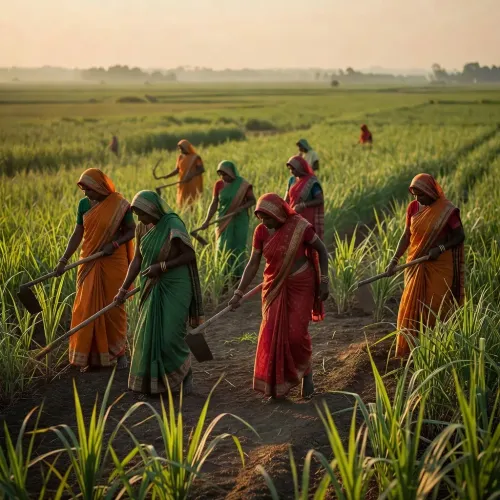
Chief Minister Devendra Fadnavis had earlier noted that women account for more than 81 per cent of participation in Maharashtra's agricultural sector, yet most policy frameworks remain male-centric. Because land ownership is typically a prerequisite for availing agricultural benefits, a large share of women who cultivate family or community-owned land have been locked out of formal support systems. Women engaged in allied activities — fisheries, livestock rearing, poultry farming, and forest produce collection — have similarly gone unrecognised as farmers under existing frameworks.
This comes amid a broader national conversation about the invisibility of women's labour in agrarian statistics and the persistent gender gap in rural credit access. The Maharashtra Bill is among the first state-level legislative attempts to codify a solution rather than address it through executive orders or scheme-level patches.
Who Qualifies as a 'Woman Farmer' Under the Bill
The Bill substantially expands the legal definition of 'farmer' to include any woman resident of Maharashtra who participates — individually or jointly — in core cultivation and livestock activities. This covers crops, poultry, dairy, fisheries, sericulture, and agro-forestry, as well as seed innovation and preservation, climate-resilient farming, integrated farming systems, and value addition and processing of raw agricultural or animal products.
Critically, the definition also encompasses landless labourers, operational holders, contractual tenants, landless livestock rearers, plantation labourers, and pastoralists. Women engaged in agricultural work for at least one season per year qualify, regardless of whether they migrate for work during other periods. The Bill mandates the issuance of formal 'Woman Farmer Certificates' as legal identity instruments.
The Maharashtra State Fund for Women Farmers
To back its legislative promises with financial resources, the Bill mandates the creation of the Maharashtra State Fund for Women Farmers. The fund will draw capital from the state's consolidated fund, grants from the Central government, and public or private donations. The corpus is legally earmarked for welfare programmes, line-of-credit facilities, a specialised digital database of women farmers, and training frameworks targeted exclusively at this group.
Chief Minister Fadnavis also directed that a detailed study be undertaken to build an effective digital system through which enrolled women farmers can access state loan schemes, agricultural subsidies, seeds, fertilisers, crop insurance, extension services, market facilities, transportation, storage infrastructure, and social security schemes.
Accountability and Grievance Mechanisms
The Bill introduces an accountability ecosystem comprising a Women Farmers Empowerment Cell and a State Monitoring Committee. For local governance and dispute resolution, it charts specific parameters utilising Gram Sabhas and designated 'Appellate Officers' to handle registration and grievances across scheduled and non-scheduled rural zones.
By tying identity certification directly to welfare funding, the Maharashtra government says it seeks to fulfil the Directive Principles of State Policy on equitable, gender-sensitive resource allocation.
What Comes Next
The Bill has been introduced and must pass both legislative scrutiny and eventual assent before it becomes law. The construction of the digital database and operationalisation of the State Fund will follow enactment. If passed, Maharashtra would become one of the first states in India to legislatively define and certify women farmers as a distinct, rights-bearing category — a model other states may look to replicate.
Point of View
It rewrites who counts as a farmer. The inclusion of landless labourers, seasonal migrants, and pastoralists is particularly significant, as these groups have been the hardest to reach through conventional welfare delivery. The real test, however, will be implementation: certificate issuance at scale, a functional digital database, and a fund that is actually capitalised and disbursed. India's history of well-drafted agrarian legislation outpacing administrative capacity is long. Whether Maharashtra builds the plumbing to match the promise will determine whether this becomes a national template or another statute that looks better on paper than in the field.
NationPress
30 Sept 2026
Frequently Asked Questions
What is The Maharashtra Women Farmers Empowerment Act, 2026?
It is a draft law introduced in the Maharashtra legislature on 1 July 2026 that formally recognises women as farmers, provides them with legal 'Woman Farmer Certificates', and creates a dedicated state fund for their welfare. The Bill was tabled by Agriculture Minister Dattatraya Bharane and covers women engaged in cultivation, livestock, fisheries, sericulture, and allied activities.
Who qualifies as a 'woman farmer' under the new Bill?
The Bill broadly defines a woman farmer as any woman resident of Maharashtra who participates in cultivation or allied agricultural activities, including landless labourers, contractual tenants, seasonal migrants, pastoralists, and plantation workers. Women engaged in agricultural work for at least one season per year also qualify, regardless of whether they migrate for other work.
What is the Maharashtra State Fund for Women Farmers?
It is a dedicated financial corpus mandated by the Bill, drawing from the state's consolidated fund, Central government grants, and public or private donations. The fund is legally earmarked for welfare programmes, credit facilities, a digital database, and training frameworks exclusively for women farmers.
Why were women farmers excluded from agricultural benefits earlier?
Most agricultural schemes have historically required land ownership as a prerequisite, which excluded the majority of women who cultivate family or community-owned land without holding formal titles. Women in allied sectors such as fisheries, poultry, and livestock were also not legally recognised as farmers under existing frameworks.
What accountability mechanisms does the Bill introduce?
The Bill creates a Women Farmers Empowerment Cell and a State Monitoring Committee for oversight, alongside Gram Sabhas and designated Appellate Officers for local grievance resolution and registration across rural zones. CM Fadnavis has also directed the development of a digital system linking enrolled women to government loans, subsidies, crop insurance, and social security schemes.