Maharashtra women farmers bill 2026 passed: Legal identity, scheme access guaranteed
Synopsis
Maharashtra just became the first Indian state to give women farmers an independent legal identity — not just a welfare gesture, but a structural fix to a decades-old exclusion baked into land-ownership rules. The Women Farmers Empowerment Bill 2026, passed unanimously, hands millions of women a certificate that unlocks loans, insurance, subsidies, and market access they were systematically shut out of.
Key Takeaways
The Maharashtra Legislative Council unanimously passed the Maharashtra Women Farmers Empowerment Bill, 2026 on 7 July 2026 .
Maharashtra becomes the first state in India to grant official legal recognition and independent status to women farmers.
Eligible women will receive a formal Women Farmer Certificate enabling access to subsidies, crop insurance, bank loans, and government procurement.
The bill covers women directly engaged in farming in rural areas ; municipal corporation and council areas are excluded.
A State Women Farmers Fund will be established with a deployment framework to be finalised within six months .
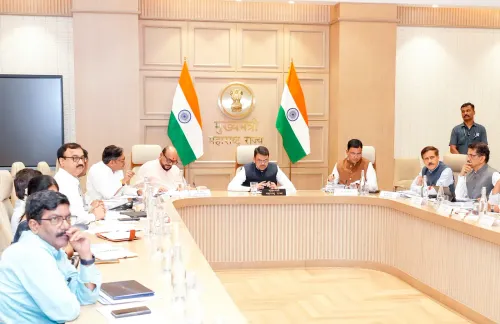
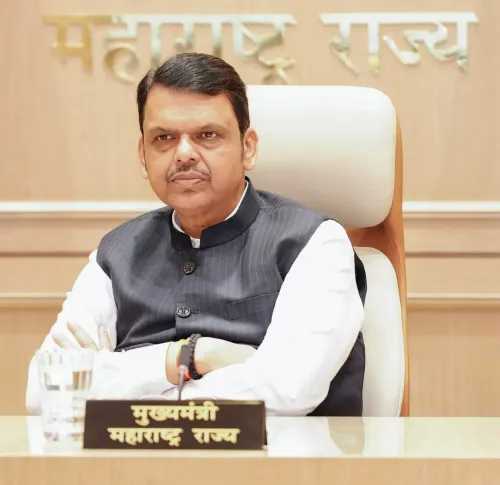
A three-tier governance structure — chaired at the top by Chief Minister Devendra Fadnavis — will oversee implementation.
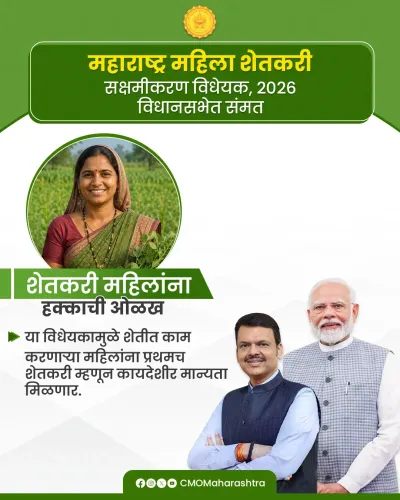
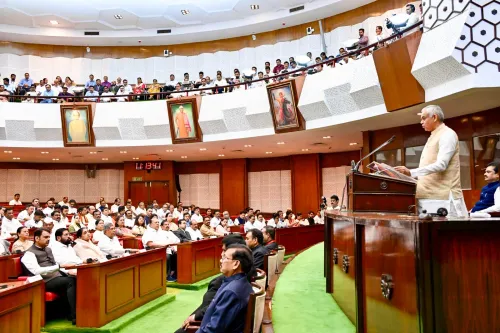
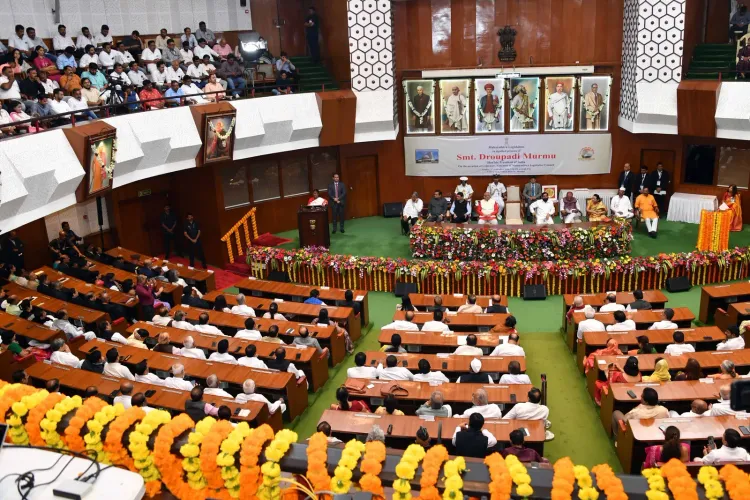
The Maharashtra Legislative Council on Tuesday, 7 July 2026, unanimously passed the Maharashtra Women Farmers Empowerment Bill, 2026, making Maharashtra the first state in India to grant official legal recognition and independent status to women farmers. The landmark legislation entitles eligible women to direct access to all government agricultural schemes, subsidies, and financial services — rights that millions were previously denied due to land-ownership prerequisites.
What the Bill Establishes
At the heart of the legislation is a formal Women Farmer Certificate, which will function as a single-window gateway for beneficiaries. Holders will gain access to government agricultural schemes, crop insurance, hassle-free bank loans, subsidised inputs, agricultural extension services, market linkages, government procurement, and warehousing facilities.
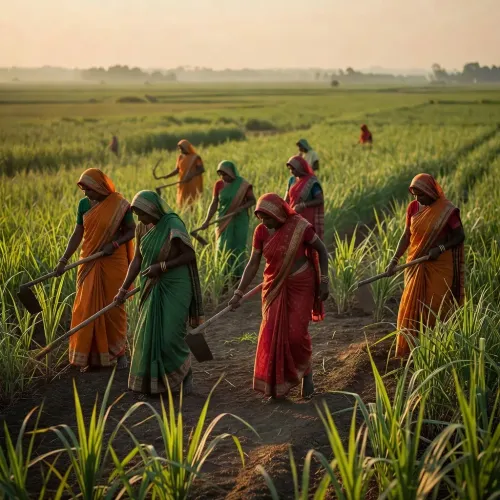
Critically, the bill extends legal recognition for the first time to women who were previously classified only as farm labourers or landless workers — a category that excluded them from the bulk of state and central welfare programmes. To prevent misuse, eligibility is strictly restricted to women directly and verifiably engaged in farming activities in rural areas, excluding those residing within municipal corporation, municipal council, and nagar panchayat limits.
What the Government Said
Agriculture Minister Dattatray Bharane, speaking after the bill's passage, said the initiative was first conceived during a joint meeting convened to mark the International Year of Women Farmers. He stated that a woman farmer is not merely an assistant to the family but an equal partner in agricultural development, and that independent legal identity and scheme access are her rightful due.
Bharane noted that despite generations of women working alongside men in farming and allied activities, the absence of a legal identity — compounded by land-ownership conditions embedded in most schemes — had consistently shut them out of benefits. He said the bill is designed to bridge that structural gap by offering dignity, rights, and equal opportunity.
The legislation was drafted by the Department of Agriculture under the guidance of Chief Minister Devendra Fadnavis and the leadership of Deputy Chief Ministers Eknath Shinde and Sunetra Ajit Pawar. The bill was debated extensively over 3 hours and 33 minutes, with members across party lines contributing insights and recommendations before the unanimous vote.
Governance Structure and Funding
The bill mandates a three-tier oversight mechanism: a state-level Women Farmers Empowerment Council chaired directly by Chief Minister Fadnavis; a State Monitoring Committee headed by the Chief Secretary; and an independent Women Farmers Empowerment Cell within the Department of Agriculture.
A dedicated State Women Farmers Fund will be created by pooling resources from existing state and central schemes. The fund's deployment framework is to be finalised within the next six months and will drive entrepreneurship development, skill training, financial assistance, and welfare initiatives. A coordinated delivery mechanism will channel credit, insurance, subsidies, and modern technology directly to beneficiaries.
Significance and What Comes Next
This is a structurally significant departure from conventional agricultural policy, which has historically tied benefits to land title — a document that a majority of women cultivators in India do not hold. Maharashtra's move sets a legislative precedent that other states may be pressured to follow, particularly as debates around women's land rights intensify nationally.
With the fund framework and rules due within six months and the empowerment cell yet to be operationalised, the real measure of the bill's impact will be in execution — specifically, how quickly certificates are issued and whether delivery mechanisms reach the most marginalised women farmers in remote rural areas.
Point of View
Which effectively disqualifies the majority of women who actually do the farming. Maharashtra's legislative move is symbolically significant, but the certificate-based model's success will hinge entirely on implementation — how fast certificates are issued, whether the fund is adequately capitalised, and whether the empowerment cell has teeth or becomes another dormant body. The six-month window to finalise the fund framework is a reasonable test of political seriousness. Other states will be watching, but replication requires political will that rural women's issues have rarely commanded at the Centre.
NationPress
6 Oct 2026
Frequently Asked Questions
What is the Maharashtra Women Farmers Empowerment Bill 2026?
It is a landmark state law, passed unanimously by the Maharashtra Legislative Council on 7 July 2026, that grants women farmers independent legal recognition and direct access to all government agricultural schemes, subsidies, loans, and insurance. Maharashtra becomes the first state in India to accord this status to women farmers.
What is the Women Farmer Certificate and who gets it?
The Women Farmer Certificate is a formal document issued under the new law that acts as a single-window gateway to government schemes, crop insurance, bank loans, subsidies, and market access. It will be issued to women who are verified to be directly and actively engaged in farming activities in rural areas of Maharashtra, excluding those in municipal corporation, council, or nagar panchayat areas.
Why were women farmers excluded from government schemes before this bill?
Most government agricultural schemes required land ownership as a prerequisite for eligibility. Since a large proportion of women who work in farming do not hold land titles, they were systematically excluded despite performing the actual agricultural labour. The new bill removes this barrier by recognising their role independently of land ownership.
Who will oversee the implementation of the bill?
A three-tier governance structure will manage implementation: a state-level Women Farmers Empowerment Council chaired by Chief Minister Devendra Fadnavis, a State Monitoring Committee headed by the Chief Secretary, and a dedicated Women Farmers Empowerment Cell within the Department of Agriculture.
When will the State Women Farmers Fund be operational?
The fund will be created by pooling resources from existing state and central government schemes. The framework and rules for its deployment are to be finalised within six months of the bill's passage, after which it will support entrepreneurship development, skill training, financial assistance, and welfare initiatives.