Maharashtra Assembly passes Women Farmers Empowerment Act 2026 unanimously
Synopsis
Maharashtra's legislature has unanimously backed a law that formally calls women farmers what they have always been — farmers. By issuing legal certificates and creating a dedicated state fund, the Act dismantles a decades-old gender blind spot in Indian agricultural policy, extending recognition to landless labourers, seasonal migrants, and pastoralists for the first time.
Key Takeaways
The Maharashtra Legislative Assembly unanimously passed The Maharashtra Women Farmers Empowerment Act, 2026 on 2 July 2026 .
The Act introduces legal Woman Farmer Certificates , formally recognising women — including landless labourers and seasonal migrants — as farmers.
A dedicated Maharashtra State Fund for Women Farmers will be created, drawing from the state's Consolidated Fund, Central Government grants, and donations.
Coverage extends to landless labourers, contractual tenants, livestock rearers, plantation workers, and pastoralists who work at least one season per year .
A Women Farmers Empowerment Cell and State Monitoring Committee will oversee implementation, with Gram Sabhas and Appellate Officers handling local grievances.
The bill was presented by Agriculture Minister Dattatraya Bharane and passed with unanimous cross-party support.
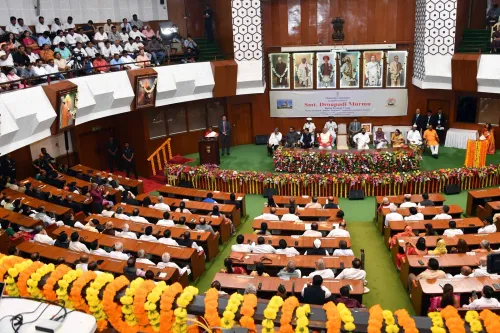
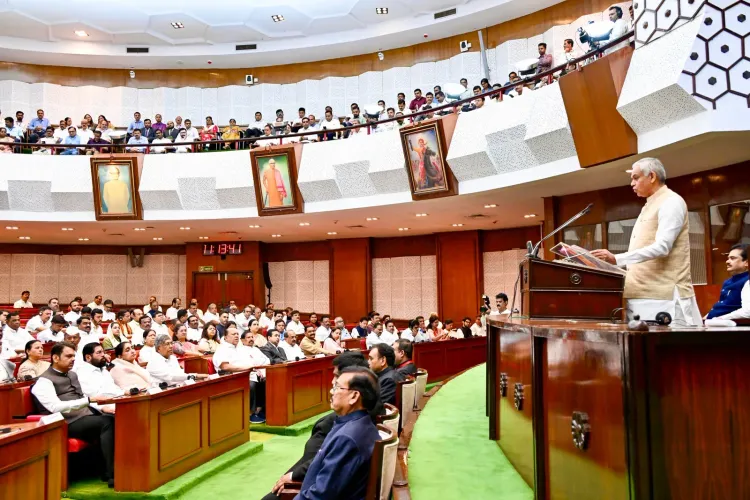
The Maharashtra Legislative Assembly on Thursday, 2 July 2026, unanimously passed The Maharashtra Women Farmers Empowerment Act, 2026, a landmark legislation that formally recognises women as farmers and creates dedicated welfare infrastructure to address decades of systemic exclusion from agricultural benefits. The bill was piloted by Agriculture Minister Dattatraya Bharane, who described it as essential for the holistic development of women in rural Maharashtra.
What the Act Changes
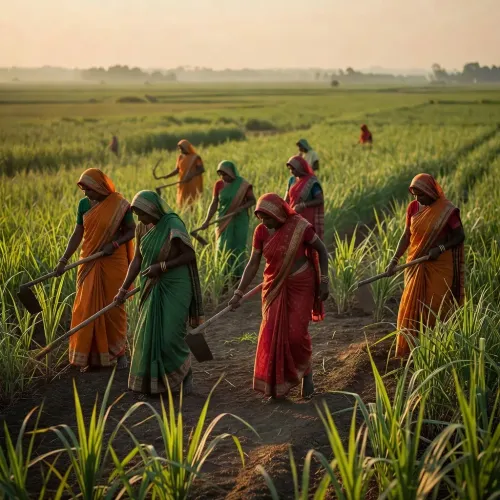
For decades, agricultural policy frameworks in India have been largely gender-blind, extending formal benefits — credit access, subsidies, extension services — only to landholders, who are predominantly male. Women, despite constituting a significant share of rural agricultural labour on family or community lands without formal titles, have historically been excluded from these systems.
The Act directly addresses this gap by introducing the legal issuance of formal Woman Farmer Certificates, which serve as identity documents entitling holders to state welfare schemes. Critically, the legislation expands the definition of 'farmer' to include any woman resident of Maharashtra who participates — individually or jointly — in core cultivation and livestock activities, covering crops, poultry, dairy, fisheries, sericulture, and agro-forestry, as well as seed innovation, climate-resilient farming, and value addition and processing of raw agricultural or animal products.
Who Is Covered
The Act's definition is notably inclusive. Beyond operational landholders, it extends formal recognition to landless labourers, contractual tenants, landless livestock rearers, plantation workers, and pastoralists. Women engaged in agricultural work for at least one season per year qualify, regardless of whether they migrate for work during other periods — a provision that could benefit a large segment of Maharashtra's seasonal agricultural workforce.
Financial Backing: The Maharashtra State Fund for Women Farmers
To translate legislative intent into material support, the Act mandates the creation of the Maharashtra State Fund for Women Farmers. The fund will draw capital from the Consolidated Fund of the State, grants from the Central Government, and public or private donations. The funds are legally earmarked to finance welfare programmes, extend line-of-credit facilities, build a specialised database of women farmers, and strengthen training frameworks targeted exclusively at this demographic.
Accountability and Grievance Mechanisms
The legislation also establishes an accountability ecosystem comprising a Women Farmers Empowerment Cell and a State Monitoring Committee. For local governance and dispute resolution, the Act designates Gram Sabhas and appointed Appellate Officers to manage registration and grievance redressal across both scheduled and non-scheduled rural zones in the state.
Constitutional Grounding
By linking identity certification directly to state welfare funding, the Maharashtra government has framed the Act as a fulfilment of the Directive Principles of State Policy, specifically the constitutional mandate for equitable and gender-sensitive resource allocation. The unanimous passage signals rare cross-party consensus on the legislation's necessity. The Act's implementation, including the operationalisation of the fund and the issuance of certificates at scale, will be closely watched as the true measure of its impact.
Point of View
But the harder test lies ahead: implementation. India has a long record of progressive agricultural legislation that stalls at the certificate-issuance or fund-disbursement stage — and Maharashtra is no exception. The Act's inclusive definition of 'farmer' is its strongest feature, potentially covering millions of landless and seasonal women workers who have never appeared in any official agricultural registry. Whether the Maharashtra State Fund is capitalised meaningfully, or becomes a nominal line item in the budget, will determine if this is a structural shift or a symbolic one. The Gram Sabha grievance mechanism is promising, but without staffing and timelines, accountability structures can remain on paper.
NationPress
1 Oct 2026
Frequently Asked Questions
What is The Maharashtra Women Farmers Empowerment Act, 2026?
It is a state law passed unanimously by the Maharashtra Legislative Assembly on 2 July 2026 that formally recognises women as farmers through the issuance of legal Woman Farmer Certificates and creates a dedicated Maharashtra State Fund for Women Farmers to finance welfare, credit, training, and database programmes.
Who qualifies as a 'woman farmer' under the new Act?
The Act uses a broad definition covering any woman resident of Maharashtra who participates in core cultivation, livestock, dairy, fisheries, sericulture, agro-forestry, seed innovation, or value-addition activities — including landless labourers, contractual tenants, livestock rearers, plantation workers, pastoralists, and seasonal migrants who work for at least one season per year.
How will the Maharashtra State Fund for Women Farmers be funded?
The fund will draw capital from the Consolidated Fund of the State, grants from the Central Government, and public or private donations. It is legally earmarked for welfare programmes, credit facilities, a specialised database, and training frameworks for women farmers.
What accountability mechanisms does the Act put in place?
The Act establishes a Women Farmers Empowerment Cell and a State Monitoring Committee at the state level. At the local level, Gram Sabhas and designated Appellate Officers will manage registration and grievance redressal across rural zones in Maharashtra.
Why does this legislation matter for rural women in Maharashtra?
Agricultural policy in India has historically extended formal benefits only to landholders, who are predominantly male, leaving women who cultivate land without formal titles outside the system. This Act directly corrects that exclusion by creating a legal identity — the Woman Farmer Certificate — that ties women to state welfare entitlements for the first time.