Maharashtra Women Farmers Empowerment Bill 2026: Maha leads India in farm rights

Synopsis
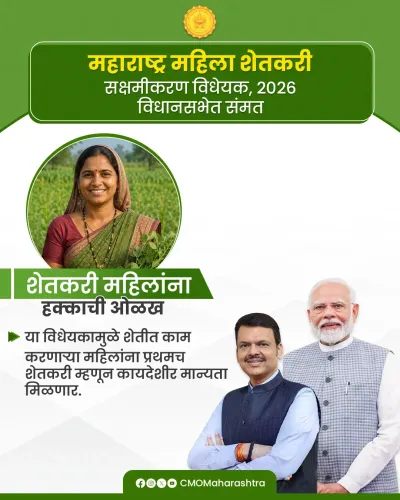
Maharashtra has moved to formally recognise women as farmers — not by land ownership, but by actual participation in agriculture. The Women Farmers Empowerment Bill-2026, debated on 2 July, could set a national precedent by unlocking crop insurance, credit, and government schemes for millions of women who have worked the land without legal identity.
Key Takeaways
The Maharashtra Women Farmers Empowerment Bill-2026 was debated in the Maharashtra Legislative Assembly on 2 July 2026 .
Deputy Chief Minister Sunetra Ajit Pawar backed the Bill, calling Maharashtra the first state in India to introduce such legislation.
The Bill grants a Woman Farmer Certificate based on actual farming participation — not land ownership — covering sowing, dairy, poultry, fisheries, and post-harvest work.
It will unlock access to government agricultural schemes, crop insurance, institutional credit, and market linkages for women farmers.
A new institutional framework — Women Farmers Database, Empowerment Cell, monitoring committee, and Women Farmers Fund — will be established for implementation.
The Bill does not alter existing land ownership, inheritance, or succession laws.
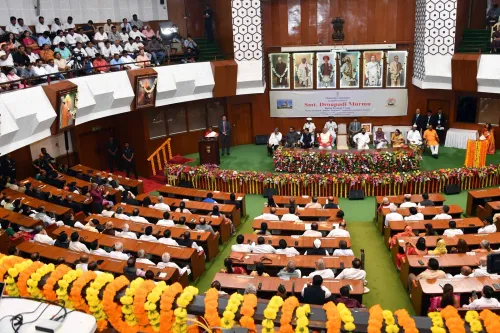
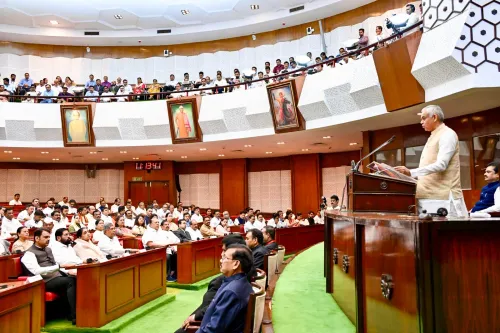
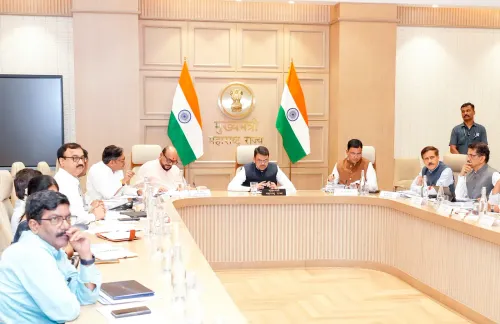
The Maharashtra Legislative Assembly on Thursday, 2 July 2026, took up debate on the landmark Maharashtra Women Farmers Empowerment Bill-2026, a first-of-its-kind legislation in India that formally recognises women's participation in agriculture as the basis for official farmer status — independent of land ownership. Deputy Chief Minister Sunetra Ajit Pawar backed the Bill, calling it a defining moment for the millions of women who power the state's agrarian economy without legal recognition.
What the Bill Does
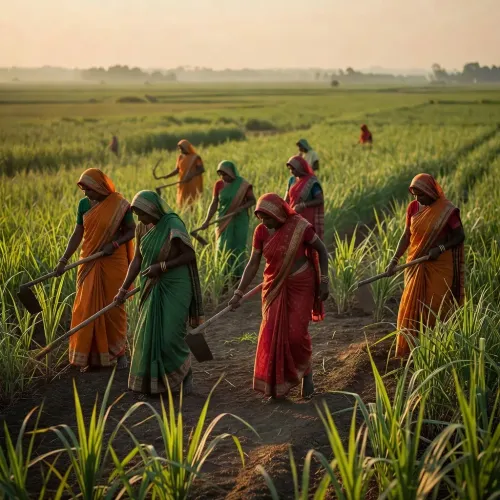
The legislation introduces a Woman Farmer Certificate, granted on the basis of a woman's actual participation in farming activities — covering sowing, animal husbandry, dairy, poultry, fisheries, and post-harvest processing — rather than requiring her to hold land title. This directly addresses a structural exclusion that has historically barred women from accessing government agricultural schemes, crop insurance, institutional credit, and market linkages.
The Bill also mandates a dedicated institutional architecture: a Women Farmers Database, a Women Farmers Empowerment Cell, specialised assistance officers, a state-level monitoring committee, and a Women Farmers Fund. These mechanisms are designed to ensure the law translates into on-ground outcomes rather than remaining a legislative declaration.
Deputy CM Sunetra Pawar's Statement
Speaking during the Assembly debate, Deputy Chief Minister Sunetra Pawar drew on her personal background as a daughter of a farming family to underline the lived reality behind the Bill. 'This Bill is not just a piece of law; it is historic justice for the hard work, dignity and rights of every woman farmer who breathes life into our soil and firmly supports Maharashtra's economy. It is set to transform the lives of millions of women across the state,' she said.
Pawar also categorically reassured the House that the Bill does not alter, amend, or interfere with any existing land ownership, inheritance, or succession laws — its scope is limited to recognition and institutional access.
Maharashtra's First-Mover Claim
According to Pawar, Maharashtra is the first state in India to introduce such legislation, continuing a pattern of precedent-setting in women's policy — from early investments in women's education and cooperatives to political reservation and self-help group networks. The Deputy CM cited ongoing Mahayuti government initiatives including the Mukhyamantri Majhi Ladki Bahin Yojana, Lek Ladki Yojana, Pink Rickshaw Scheme, and the Nav Tejaswini Rural Women's Enterprise Development Scheme, alongside safety nets such as One Stop Centres and the Manodhairya Yojana, as evidence of sustained commitment to women's welfare.
Why It Matters
Women constitute a significant share of India's agricultural workforce, yet the absence of formal recognition has long excluded them from the financial and institutional support available to registered farmers. By decoupling farmer status from land ownership, the Bill could set a template that other states may consider. Notably, land ownership patterns in rural India remain skewed — women hold a fraction of agricultural land despite contributing disproportionately to farm labour. The Bill's success will ultimately depend on the robustness of the certification process and whether the Women Farmers Fund is adequately capitalised.
The Assembly debate is ongoing; the Bill's passage and implementation timeline are yet to be formally confirmed.
Point of View
And the Women Farmers Fund will need real budgetary backing, not a nominal allocation. Maharashtra has a credible track record on women's self-help groups and cooperatives, which gives this Bill more institutional scaffolding than a cold start. But whether other states follow will depend on whether the outcomes data — credit disbursed, insurance claims settled, incomes improved — is made public and independently verified.
NationPress
1 Oct 2026
Frequently Asked Questions
What is the Maharashtra Women Farmers Empowerment Bill-2026?
It is a state legislation debated in the Maharashtra Legislative Assembly on 2 July 2026 that grants women an official 'Woman Farmer Certificate' based on their actual participation in farming, rather than land ownership. The Bill aims to give millions of women access to crop insurance, institutional credit, government schemes, and market linkages.
Why does the Bill use participation rather than land ownership as the criterion?
Women in rural Maharashtra contribute extensively to sowing, animal husbandry, dairy, poultry, fisheries, and post-harvest processing but rarely hold land title. Using participation as the criterion directly addresses this structural exclusion, ensuring women who work the land can access the same institutional support as registered male farmers.
Does the Bill change land ownership or inheritance laws?
No. Deputy Chief Minister Sunetra Pawar categorically stated during the Assembly debate that the Bill does not alter, amend, or interfere with any existing land ownership, inheritance, or succession laws. Its sole purpose is to provide legal recognition and institutional access to women farmers.
What institutional framework will support the Bill's implementation?
The Bill mandates a Women Farmers Database, a Women Farmers Empowerment Cell, specialised assistance officers, a state-level monitoring committee, and a dedicated Women Farmers Fund to ensure the legislation delivers on-ground outcomes.
Is Maharashtra the first state in India to pass such a law?
According to Deputy Chief Minister Sunetra Pawar, Maharashtra is the first state in India to introduce legislation of this kind. The Bill was under Assembly debate as of 2 July 2026; its formal passage and implementation timeline are yet to be confirmed.