CM Fadnavis Chairs Meet on Maharashtra Women Farmers Bill 2026
Synopsis
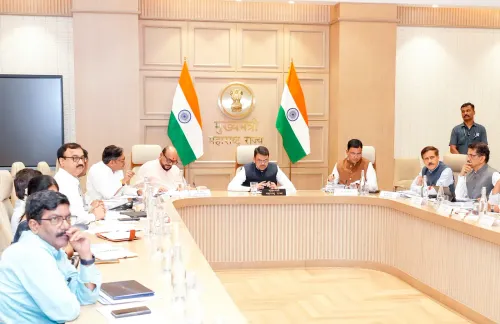
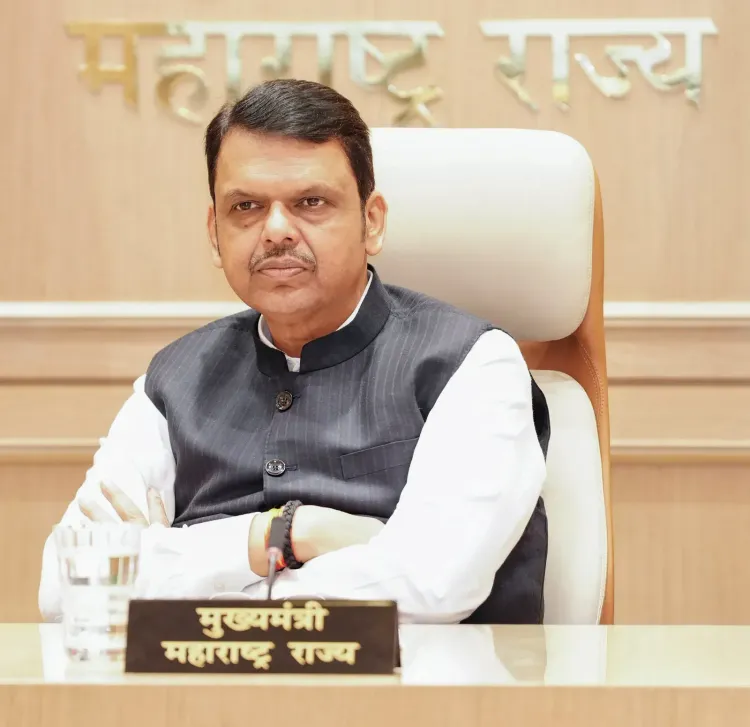
CM Devendra Fadnavis chaired a consultative meeting on the proposed Maharashtra Women Farmers' Empowerment Bill, 2026 at Varsha Bungalow on 12 June, with Deputy CM Sunetra Ajit Pawar and MSSRF Chairperson Dr. Soumya Swaminathan in attendance. The bill aims to create a dedicated legal framework for women in Maharashtra's agrarian sector.
Key Takeaways
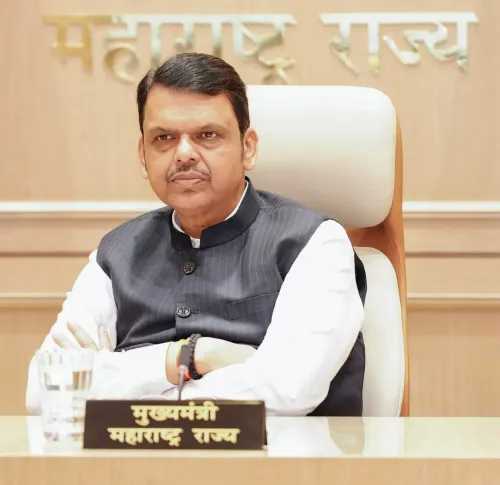
CM Devendra Fadnavis chaired a meeting on the Maharashtra Women Farmers' Empowerment Bill, 2026 at Varsha Bungalow, Mumbai on 12 June 2026 .
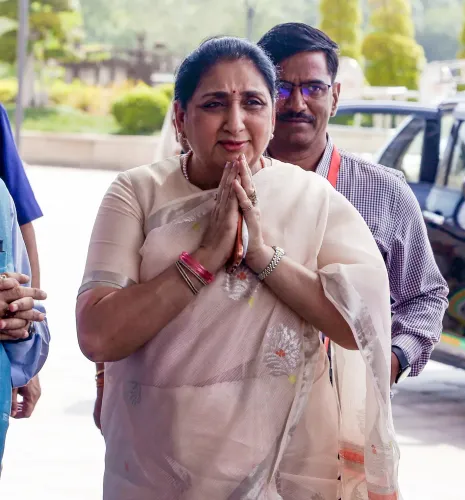
Deputy CM Sunetra Ajit Pawar , Minister Dattatray Bharane , and MoS Adv.
Ashish Jaiswal attended alongside senior officials.
Soumya Swaminathan , Chairperson of the M.
Swaminathan Research Foundation (MSSRF) , participated, bringing expert agricultural-policy input.
The proposed bill is intended to strengthen legal rights, land titles, and support systems for women farmers in Maharashtra.
The bill follows the lineage of the M.
Swaminathan Commission recommendations and central schemes like the Mahila Kisan Sashaktikaran Pariyojana .
The bill's tabling in the Maharashtra legislature — likely the monsoon or winter session — is the next key milestone to watch.
Chief Minister Devendra Fadnavis chaired a high-level meeting at Varsha Bungalow, Mumbai, on 12 June 2026 to deliberate on the proposed 'Maharashtra Women Farmers' Empowerment Bill, 2026', signalling the state government's intent to enact dedicated legislation for women in agriculture.
Context
The meeting, held at 4:25 PM at the Chief Minister's official residence in Mumbai, brought together senior members of the Maharashtra government and a prominent agricultural-science figure. Deputy Chief Minister Sunetra Ajit Pawar, Minister Dattatray Bharane, and Minister of State Adv. Ashish Jaiswal were among those present alongside senior officials.
Notably, Dr. Soumya Swaminathan, Chairperson of the M. S. Swaminathan Research Foundation (MSSRF), attended the deliberations. Her presence signals that expert scientific and policy counsel is being integrated into the bill's framing from an early stage.
Policy Backdrop
The proposed bill builds on a long lineage of gender-sensitive agricultural reform in India. The National Commission on Farmers (2004–2006), chaired by the late M. S. Swaminathan, had explicitly recommended reforms in land titles, credit access, and extension services for women farmers — recommendations that remained only partially implemented at the national level.
Central schemes such as the Mahila Kisan Sashaktikaran Pariyojana have attempted to address persistent gender gaps in rural asset ownership, but critics have long argued that a state-level legislative framework with enforceable rights is necessary for durable change. Maharashtra, home to a large agrarian population across Vidarbha, Marathwada, and the Western Ghats belt, has among the highest proportions of women engaged in farm labour with limited formal land rights.
Multiple Indian states have begun moving toward dedicated legal frameworks to strengthen women's land titles and market access. Maharashtra's proposed bill, if enacted, would place it among the frontrunners in this legislative shift.
Stakeholders and Impact
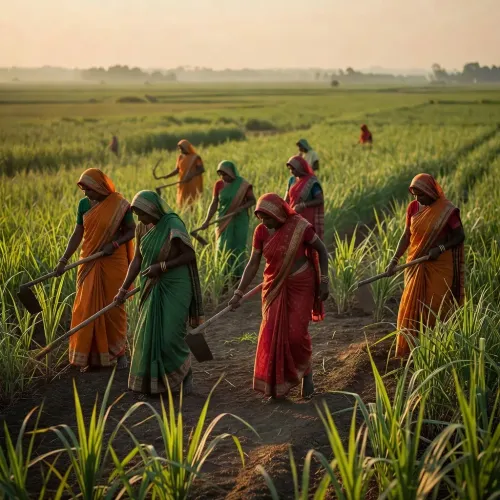
Women farmers in Maharashtra stand to be the primary beneficiaries of the proposed legislation. Advocacy groups have long documented that women perform a disproportionate share of agricultural labour — including sowing, weeding, and post-harvest processing — yet rarely hold land titles in their own names, limiting their access to institutional credit and government support.
The involvement of MSSRF, a Chennai-based research body with decades of work on sustainable agriculture and rural livelihoods, suggests the bill may draw on evidence-based frameworks rather than being purely a political instrument. Dr. Soumya Swaminathan's dual expertise in public health and agricultural policy could shape provisions around nutrition, occupational safety, and social security for women in farming.
The Mahayuti coalition government — comprising the BJP, the NCP (Ajit Pawar faction), and the Shiv Sena (Shinde faction) — is likely to position the bill as a flagship welfare measure ahead of future electoral cycles.
What's Next
The bill's exact provisions have not been made public, and the outcome of the 12 June consultative meeting has not been officially detailed. The next milestone to watch is the tabling of the bill in either the monsoon or winter session of the Maharashtra legislature. Any formal memorandum of understanding between the state government and MSSRF for implementation support would also be a significant indicator of the bill's ambition and timeline.
If passed, the legislation could set a precedent for other large agrarian states to follow, reshaping how women's contributions to Indian agriculture are recognised and protected in law.
Point of View
2026 — with MSSRF's chairperson at the table — suggests the Fadnavis government is treating this as a substantive policy exercise rather than a symbolic gesture. The bill fits into a broader national pattern of states attempting to translate decades-old Swaminathan Commission recommendations into enforceable law, an area where intent has historically outpaced action. For the Mahayuti coalition, a high-visibility welfare bill targeting women farmers in distress-prone regions like Vidarbha and Marathwada carries obvious political utility ahead of future elections. The real test will be whether the legislation advances to the floor of the legislature and whether its provisions go beyond existing central schemes to create genuinely new entitlements.
NationPress
20 Sept 2026
Frequently Asked Questions
What is the Maharashtra Women Farmers' Empowerment Bill 2026?
It is a proposed state legislation in Maharashtra aimed at strengthening the legal rights, land ownership, credit access, and social security of women engaged in agriculture. The bill was under discussion at a meeting chaired by CM Devendra Fadnavis on 12 June 2026.
Who attended the meeting on the Maharashtra Women Farmers' Bill?
The meeting at Varsha Bungalow, Mumbai was chaired by CM Devendra Fadnavis and attended by Deputy CM Sunetra Ajit Pawar, Minister Dattatray Bharane, MoS Adv. Ashish Jaiswal, Dr. Soumya Swaminathan of MSSRF, and senior officials.
Who is Dr. Soumya Swaminathan and why was she at the meeting?
Dr. Soumya Swaminathan is the Chairperson of the M. S. Swaminathan Research Foundation (MSSRF), a Chennai-based body focused on sustainable agriculture and rural livelihoods. Her presence at the meeting indicates the government is seeking expert policy input in drafting the bill.
When will the Maharashtra Women Farmers' Empowerment Bill be tabled in the legislature?
No official date has been announced. The bill is expected to be tabled in either the monsoon or winter session of the Maharashtra legislature, subject to the completion of consultations.
What schemes already exist for women farmers in India?
The central government runs the Mahila Kisan Sashaktikaran Pariyojana, which supports women in agriculture. Maharashtra's proposed bill is intended to complement such schemes by creating a dedicated state-level legal framework with enforceable rights.