CM Chandrababu Releases Rs 3,125 Cr for AP Farmers
Synopsis
Chief Minister Chandrababu Naidu released Rs 3,125 crore under the combined Annadatha Sukhibhava–PM Kisan programme for 46.86 lakh farmers at Lingamguntla in Palnadu district, and laid foundation stones for 15 MW waste-to-energy plants in Kurnool and Kadapa.
Key Takeaways
Rs 3,125 crore disbursed under the combined Annadatha Sukhibhava–PM Kisan programme at a single public event in Palnadu district .
46.86 lakh farmers across Andhra Pradesh are the intended beneficiaries of this fund release.
CM Chandrababu Naidu laid foundation stones for 15 MW waste-to-energy plants in both Kurnool and Kadapa districts from the same venue.
The event was held at Lingamguntla village , Chilakaluripet constituency , Palnadu district , on 21 June 2026 .
Local MLA Prattipati Pulla Rao , MP Lavu Srikrishna Devarayalu , and District Collector Kritika Shukla participated in the programme.
The event falls under the Swarna Andhra Swachha Andhra initiative, linking farmer welfare with clean-energy infrastructure goals.
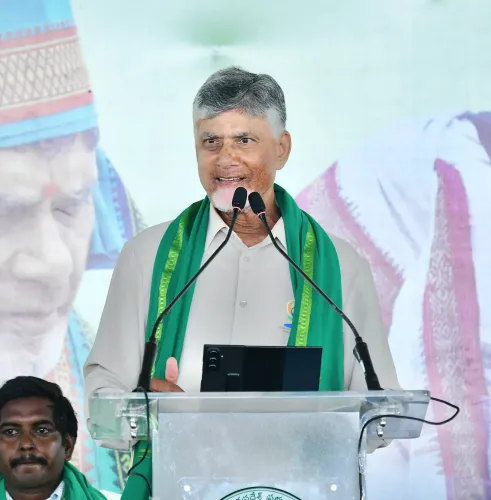
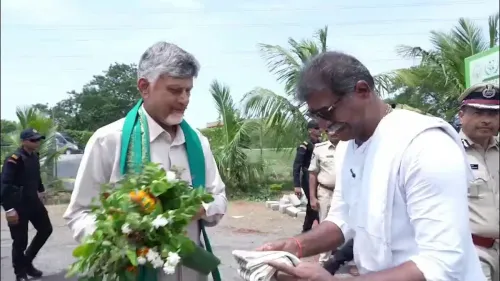
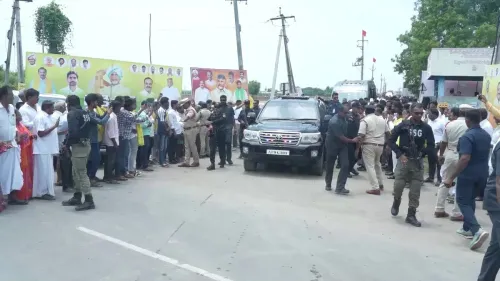
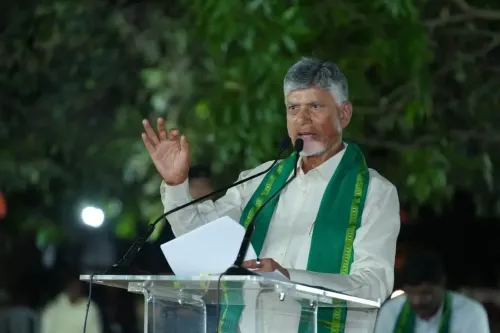
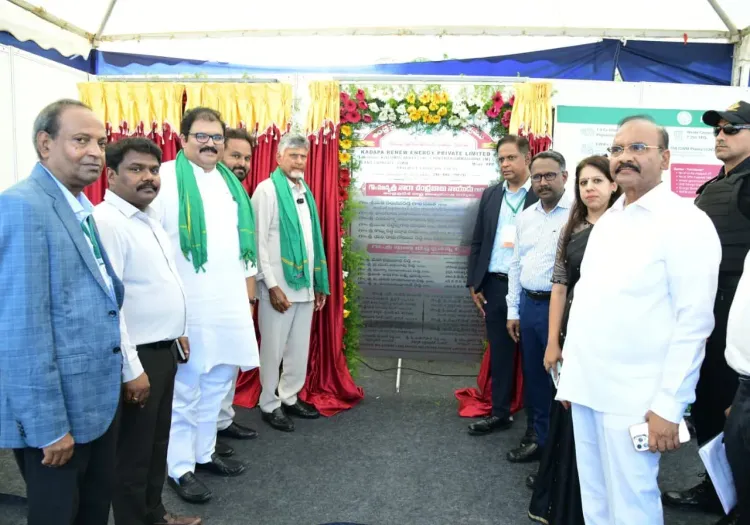
Chief Minister Nara Chandrababu Naidu of Andhra Pradesh on Saturday, 21 June 2026, attended the Swarna Andhra Swachha Andhra and Annadatha Sukhibhava–PM Kisan fund-release event at Lingamguntla village in Chilakaluripet constituency, Palnadu district, where he also inspected exhibition stalls set up at the Praveda Vedika premises.
What Happened
From the main stage, CM Naidu handed over a cheque symbolising the transfer of Rs 3,125 crore in combined Annadatha Sukhibhava and PM Kisan funds to the beneficiaries. The disbursement is set to reach 46.86 lakh farmers across the state. The Chief Minister's Office described the occasion as part of its broader Swarna Andhra Swachha Andhra ('Golden Andhra, Clean Andhra') initiative, linking agricultural welfare with environmental goals.
Also at the event, CM Naidu laid the foundation stones — remotely from Lingamguntla — for two waste-to-energy plants to be built in Kurnool and Kadapa districts, each with a capacity of 15 megawatts. The plants are intended to convert municipal solid waste into electricity, advancing the state's clean-energy and urban-sanitation agenda simultaneously.
Context
PM Kisan is the Government of India's flagship direct income-support scheme for landholding farmer families, operational since February 2019. Andhra Pradesh supplements it with the state-run Annadatha Sukhibhava scheme, which provides an additional layer of direct financial assistance to farmers, ensuring that beneficiaries receive both central and state transfers in a single coordinated disbursal.
Combining the two streams into one high-profile public event is a pattern the Andhra Pradesh government has followed to maximise visibility and administrative efficiency. The choice of Palnadu district — a predominantly agrarian belt — as the venue underlines the political and policy salience of farmer outreach in the region.
Policy Backdrop
The Swarna Andhra Swachha Andhra framework links agricultural welfare disbursements with urban infrastructure and environmental projects, reflecting CM Naidu's long-standing approach of bundling welfare with development optics. The waste-to-energy plants in Kurnool and Kadapa fall under this integrated model, where a single public platform is used to announce both cash transfers and capital projects.
Waste-to-energy technology has gained traction in several Indian states as municipalities struggle with solid-waste management. A 15 MW capacity per plant is a meaningful addition for secondary cities, though construction timelines and actual commissioning will determine real-world impact.
Stakeholders and Impact
The immediate beneficiaries are 46.86 lakh farmer families across Andhra Pradesh who are enrolled under the combined programme. For many smallholder and marginal farmers, the direct bank transfer represents a critical input-cost buffer ahead of the kharif sowing season.
Local elected representatives — MLA Prattipati Pulla Rao, MP Lavu Srikrishna Devarayalu, and District Collector Kritika Shukla — were present at the event, signalling coordinated administrative and political mobilisation around the disbursal.
What's Next
Progress on the Kurnool and Kadapa waste-to-energy plants will be closely watched, as foundation-stone ceremonies in Andhra Pradesh have historically preceded varying construction timelines. Further district-level disbursal events under the Annadatha Sukhibhava–PM Kisan programme are expected as the state continues its farmer-outreach calendar. The scale of the current release — Rs 3,125 crore in a single event — sets a benchmark that the government is likely to highlight in its pre-election welfare narrative.
Point of View
An MP, and a district collector on stage — signals careful political choreography ahead of what will inevitably be a welfare-heavy electoral narrative. The waste-to-energy component is notable because it ties agricultural optics to urban infrastructure, a cross-sector linkage the TDP government has used consistently to broaden its appeal beyond the farm vote. Whether the Kurnool and Kadapa plants move from foundation stone to commissioning at pace will test whether the event's ambition translates into lasting policy substance.
NationPress
21 Jun 2026
Frequently Asked Questions
How much money was released for Andhra Pradesh farmers under PM Kisan and Annadatha Sukhibhava?
A total of Rs 3,125 crore was released under the combined Annadatha Sukhibhava–PM Kisan programme, benefiting 46.86 lakh farmers across Andhra Pradesh.
Where was the Annadatha Sukhibhava PM Kisan fund release event held?
The event was held at Lingamguntla village in Chilakaluripet constituency, Palnadu district , Andhra Pradesh, on 21 June 2026 .
What is the Annadatha Sukhibhava scheme?
Annadatha Sukhibhava is an Andhra Pradesh state government scheme that provides direct financial assistance to farmers, designed to supplement the central government's PM Kisan income-support programme.
What are the waste-to-energy plants announced by CM Chandrababu Naidu?
CM Naidu laid foundation stones for two 15 MW waste-to-energy plants — one each in Kurnool and Kadapa districts — that will convert municipal solid waste into electricity.
Who attended the Lingamguntla farmer welfare event with CM Chandrababu Naidu?
MLA Prattipati Pulla Rao , MP Lavu Srikrishna Devarayalu , and District Collector Kritika Shukla were among the officials present at the event.