CM Samrat Choudhary echoes Modi's reform vs Congress charge
Synopsis
Bihar CM Samrat Choudhary shared a PM Modi quote on 6 October 2026, accusing Congress of opposing SIR electoral roll revision, One Nation One Election, and anti-infiltration measures — framing it as a consistent pattern of blocking reform with lies and confusion.
Key Takeaways
Bihar CM Samrat Choudhary amplified a quote attributed to PM Narendra Modi on 6 October 2026 targeting Congress's opposition to reforms.
Three specific issues cited: SIR (Special Intensive Revision) of electoral rolls, One Nation One Election , and expulsion of illegal infiltrators.
Modi's quoted line accuses Congress of a fixed formula: 'Whenever any reform comes, spread lies and create confusion.' Bihar, with 40 Lok Sabha seats , is a key political battleground where national BJP messaging carries heavy electoral weight.
Congress has opposed One Nation One Election on federalism grounds and raised voter-disenfranchisement concerns over SIR drives.
The BJP is building a consolidated 'reform obstruction' narrative against Congress ahead of future electoral contests.
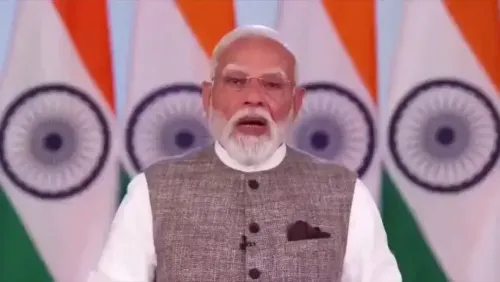
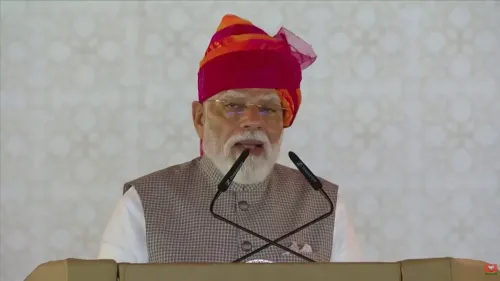
Every time a reform lands on Parliament's table, Bihar Chief Minister Samrat Choudhary says, the Congress party reaches for a protest placard — not a policy brief. Sharing a sharp quote attributed to Prime Minister Narendra Modi on Tuesday, 6 October 2026, Choudhary amplified a pointed political broadside against the opposition's track record on reform.
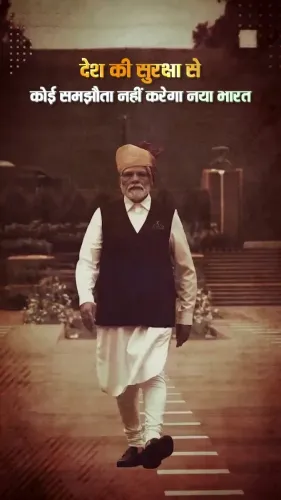
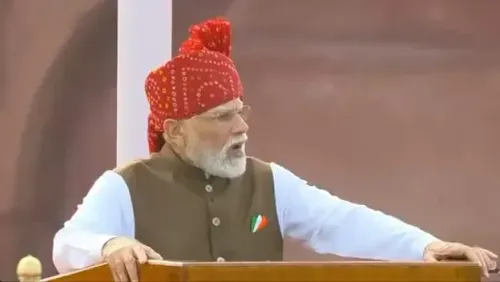
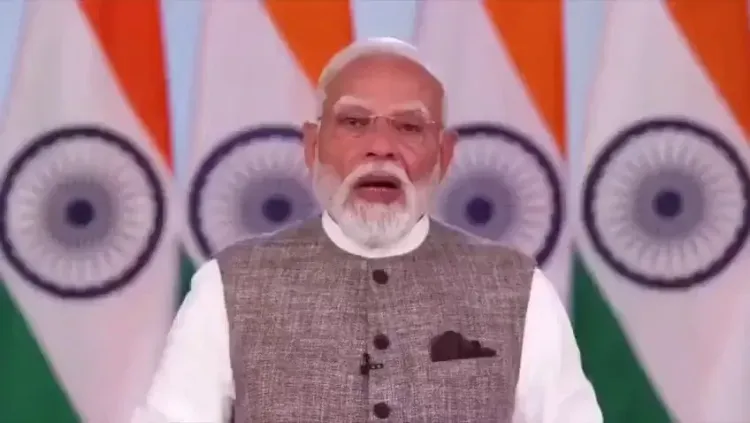
The post quotes PM Modi directly: 'Koi bhi reform aaye, toh jhooth bolo, bhram failao' — 'Whenever any reform comes, spread lies and create confusion.' The quote frames Congress not as a principled opposition, but as a reflexive obstruction machine.
Three reforms, one pattern — the BJP's case against Congress
Choudhary's post lines up three specific charges. First: Congress opposes SIR — the Special Intensive Revision of electoral rolls, a recent Election Commission exercise to verify and update voter lists. Second: Congress opposes One Nation, One Election — the BJP-backed proposal to synchronise all state and national polls into a single cycle. Third: Congress opposes efforts to identify and expel illegal infiltrators from the country.
The BJP has long argued that simultaneous elections would cut the cost of governance, reduce the frequency of the Model Code of Conduct freezing policy announcements, and let governments focus on delivery rather than perpetual campaigning. Congress and several opposition parties counter that the proposal undermines federalism and benefits the better-resourced national party. By bundling these three issues under a single 'reform obstruction' label, the BJP is pressing a consistent electoral narrative.
Choudhary as Bihar's amplifier of the national BJP line
As Bihar Chief Minister and a senior BJP leader, Samrat Choudhary occupies a strategically significant platform. Bihar sends 40 Lok Sabha seats — the third-largest state contingent — making it a perpetual battleground where national political messaging is tested at volume. Amplifying the Prime Minister's rhetoric on electoral and border-security reform signals that the Bihar unit is closely synced with the central BJP communication strategy heading into what promises to be a combative political season.
The Congress has not responded directly to this post. The party has consistently argued that One Nation, One Election requires constitutional amendments that would erode state governments' autonomy, and that voter-roll revision drives have in the past led to wrongful deletions of legitimate voters — particularly from marginalised communities.
The SIR controversy and why it is politically charged
The Special Intensive Revision of electoral rolls became a flashpoint when opposition parties alleged it was being conducted in a manner that could disenfranchise minorities and the poor. The Election Commission maintained the drive was a standard, legally mandated exercise to clean up duplicates and add new eligible voters. The BJP framed opposition resistance to SIR as an attempt to protect illegal voters on the rolls — a charge the Congress denied, saying it was fighting for genuine voters' rights.
That three disparate issues — voter rolls, election scheduling, and border security — are being stitched into a single 'reform' narrative is itself the political story. The BJP is betting that voters will see opposition resistance as a coherent pattern of blocking national progress. The Congress will argue each issue deserves to be judged on its own constitutional and democratic merits.
In Bihar and beyond, the battle over who gets to define 'reform' may prove just as consequential as the reforms themselves.
Point of View
One Nation One Election, and border security under a single 'reform obstruction' label, the BJP is executing a well-worn consolidation strategy — transforming disparate policy disputes into a coherent character indictment of the opposition. For Bihar CM Choudhary, amplifying Modi's language directly ties the state unit to the national party's communication grid at a moment when electoral mobilisation matters enormously. The Congress faces a familiar dilemma: each of its objections is substantive in isolation, but the cumulative optics of opposing multiple 'reform' measures hands the BJP a potent shorthand. Whoever successfully defines 'reform' in the public imagination will hold the high ground in the next round of political contests.
NationPress
6 Oct 2026
Frequently Asked Questions
What is SIR in the context of Indian elections?
SIR stands for Special Intensive Revision, an Election Commission exercise to verify, update, and clean up voter rolls — removing duplicates and adding newly eligible voters. It became controversial when opposition parties alleged it could disenfranchise marginalised voters.
What is One Nation One Election?
One Nation One Election is a BJP-backed proposal to hold all state assembly and Lok Sabha elections simultaneously in a single cycle, aimed at reducing governance disruption and election costs. Critics argue it requires constitutional amendments that could undermine state governments' autonomy.
Why did Bihar CM Samrat Choudhary post this on X?
Choudhary shared a quote attributed to PM Modi accusing Congress of reflexively opposing reforms — framing the party's resistance to SIR, simultaneous elections, and infiltrator removal as a pattern of spreading lies and confusion rather than genuine policy debate.
What has Congress said about One Nation One Election?
Congress has argued that synchronising all elections would require major constitutional amendments, erode state governments' autonomy, and structurally advantage the better-resourced national party over regional parties.
Is Samrat Choudhary a senior BJP leader?
Yes. Samrat Choudhary is the Chief Minister of Bihar and a senior Bharatiya Janata Party leader, making him one of the most prominent BJP figures in eastern India's most electorally significant state.