CM Samrat Choudhary Holds Sahyog Grievance Hearing in Patna
Synopsis
Bihar Chief Minister Samrat Choudhary chaired a state-level Sahyog grievance-redressal hearing at the CM Secretariat in Patna on 14 July 2026, personally listening to escalated public complaints from across Bihar's districts and directing action, reaffirming the government's commitment to citizen-centric governance.
Key Takeaways
Bihar Chief Minister Samrat Choudhary held a Sahyog grievance session on 14 July 2026 at the Samvad Sabhagar , CM Secretariat, Patna.
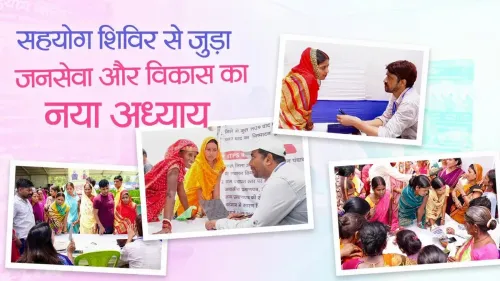
The Sahyog programme is a state-level escalation mechanism for citizens dissatisfied with district-level grievance resolution.
Selected complaints from multiple districts across Bihar were heard and directed for action during the session.
The programme is part of a wider national pattern of state governments layering citizen-interface mechanisms above the centralised CPGRAMS framework established in 2007 .
The Chief Minister reaffirmed the government's commitment to 'just, effective and satisfactory resolution' of every citizen's grievance.
Disposal rates and follow-up outcomes from the session are expected to be tracked and released periodically by the state government.
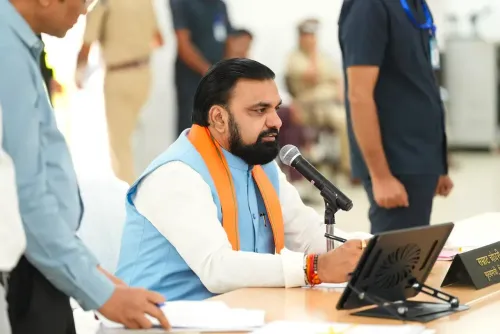
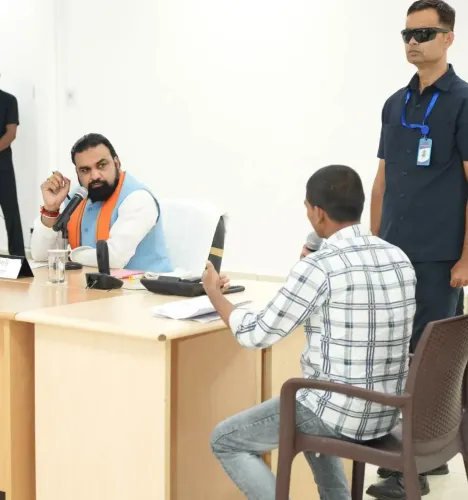
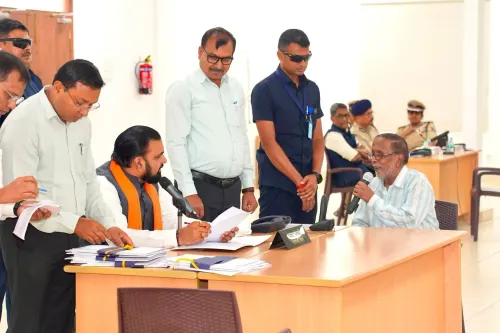
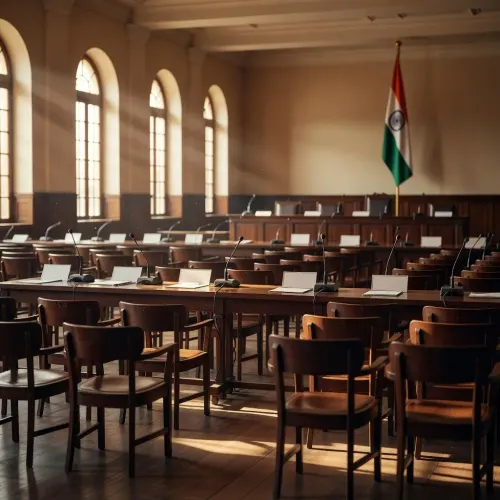
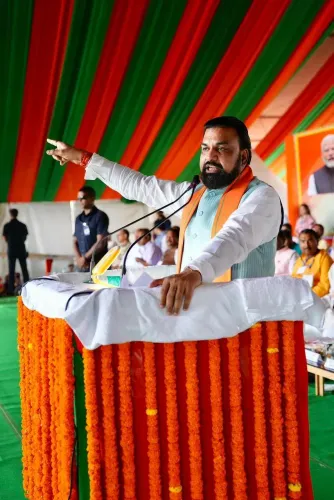
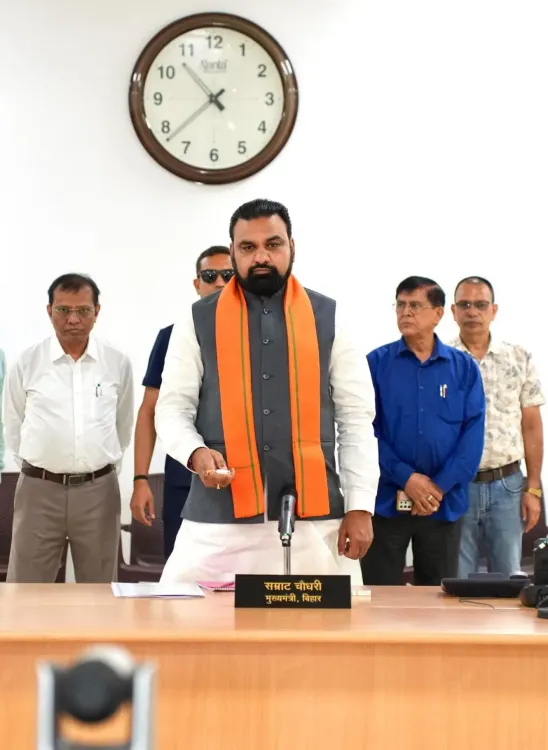
Bihar Chief Minister Samrat Choudhary on Tuesday, 14 July 2026 presided over a state-level Sahyog grievance-redressal session at the Samvad Sabhagar in the Chief Minister's Secretariat, Patna, patiently hearing selected public complaints escalated from multiple districts and directing appropriate action on each.
Context
Posting on X, Chief Minister Choudhary described the session in Hindi: 'सहयोग हमारी सरकार की जन-केंद्रित पहल है' ('Sahyog is our government's citizen-centric initiative'), through which residents dissatisfied with district-level resolution are given an opportunity to place their grievances directly before the state administration. He reaffirmed that the government is 'committed to ensuring a just, effective and satisfactory resolution' of every citizen's complaint.
The Sahyog programme functions as an escalation layer within Bihar's administrative structure, sitting above the district grievance machinery and providing a formal state-level forum for unresolved cases. The session at the Samvad Sabhagar brought together complainants from various districts of Bihar for direct hearing by the Chief Minister.
Policy Backdrop
India's centralised grievance infrastructure dates to 2007, when the Centralized Public Grievance Redress and Monitoring System (CPGRAMS) was established to allow citizens to register complaints with government departments online. State governments have since layered their own mechanisms on top of this foundation, creating escalation pathways when local resolution fails.
Bihar's Sahyog programme fits this broader national pattern, under which multiple state administrations — across party lines — have introduced structured public-hearing formats to demonstrate administrative responsiveness. Such programmes typically combine physical hearings with existing digital portals, emphasising accountability at the citizen interface without necessarily altering the underlying service-delivery structure.
Stakeholders and Impact
The immediate beneficiaries are citizens whose grievances remained unresolved at the district level and who were selected for the state-level hearing. For these individuals, the Sahyog session represents a direct channel to the highest elected office in the state, bypassing intermediate bureaucratic tiers.
For the Bihar state administration, the programme signals a governance posture centred on visible responsiveness. Periodic public hearings chaired by the Chief Minister place political accountability squarely on the executive, creating pressure on district administrations to resolve complaints before they escalate to the state level.
What's Next
The government is expected to release data on the volume and disposal rate of complaints heard under Sahyog as the programme continues its periodic sessions. How effectively the directions issued during Tuesday's hearing translate into on-ground resolution will be the measure by which the programme's credibility — and the administration's commitment to its stated citizen-centric mandate — will ultimately be judged.
Point of View
Reinforcing the ruling party's 'responsive government' narrative ahead of electoral cycles. The real test, however, lies in the disposal rate and quality of follow-through: without transparent outcome tracking, such sessions risk becoming performative rather than structural. The Sahyog model's long-term credibility will depend on whether it demonstrably reduces repeat complaints at the district level.
NationPress
12 Oct 2026
Frequently Asked Questions
What is the Sahyog programme in Bihar?
Sahyog is a Bihar state government initiative that provides citizens dissatisfied with district-level grievance resolution a direct opportunity to present their complaints at the state level, typically through sessions chaired by the Chief Minister.
What happened at the Sahyog session on 14 July 2026?
Bihar Chief Minister Samrat Choudhary presided over a Sahyog session at the Samvad Sabhagar in the CM Secretariat, Patna, where he personally heard selected public complaints escalated from various districts and directed appropriate action.
Who is Samrat Choudhary?
Samrat Choudhary is a senior BJP leader serving as the Chief Minister of Bihar.
How does Sahyog differ from regular district grievance systems?
Sahyog acts as an escalation layer above the district grievance machinery, allowing citizens who remain unsatisfied after district-level proceedings to seek redressal directly from the state administration.
What is CPGRAMS and how does it relate to Sahyog?
CPGRAMS, established in 2007, is India's centralised online platform for registering complaints with government departments. State programmes like Sahyog build on this foundation by adding physical, escalation-based hearings for unresolved cases.