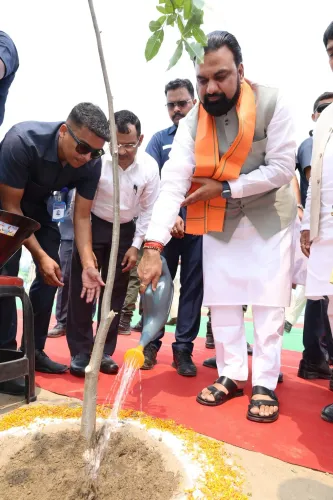
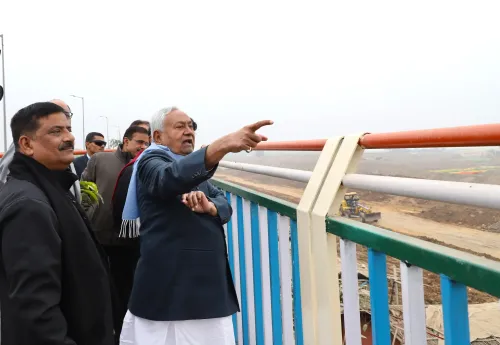
CM Samrat Choudhary Orders 1-Lakh Tree Drive on JP Ganga Path
Synopsis
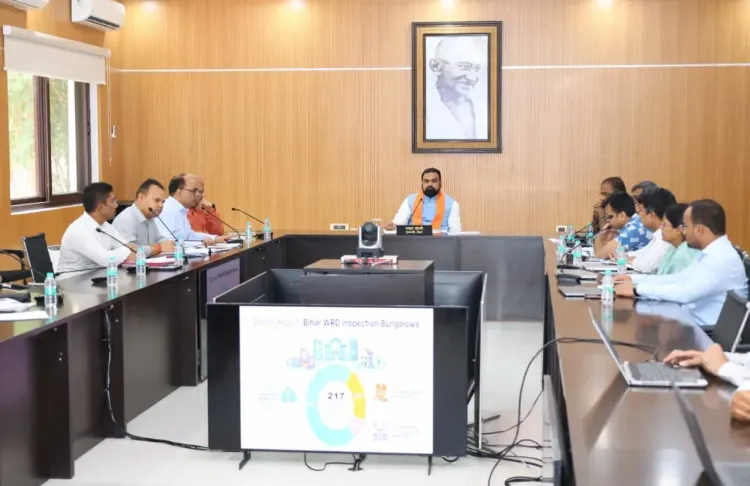
Bihar Chief Minister Samrat Choudhary on 13 June 2026 chaired a high-level Water Resources Department review and directed officials to urgently complete the planting of one lakh trees along JP Ganga Path in Patna, aligning the riverfront project with Ganga rejuvenation goals.
Key Takeaways
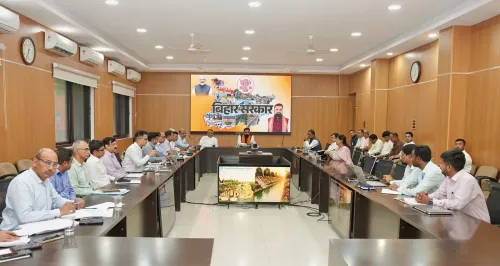
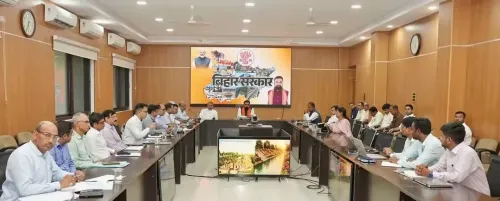
Bihar CM Samrat Choudhary chaired a high-level Water Resources Department review on 13 June 2026 at Sankalp Sabhagar, Patna.
He directed officials to expedite the target of planting one lakh trees along JP Ganga Path .
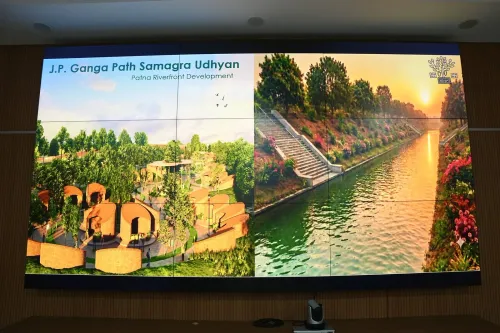
JP Ganga Path is a riverfront promenade in Patna combining urban development with flood-protection infrastructure.
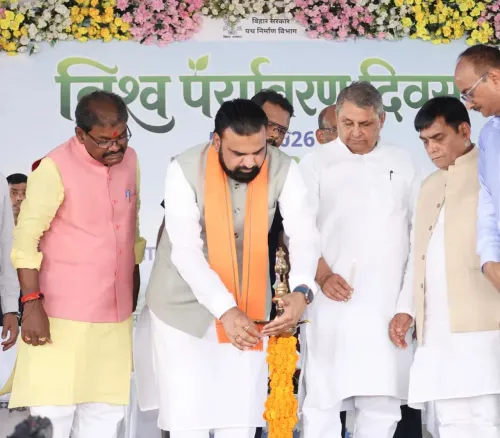
The plantation drive aligns with the central government's Namami Gange programme, which includes mandatory afforestation components.
The initiative is expected to benefit Patna residents through improved air quality, reduced urban heat, and stabilised riverbanks.
Progress on the one-lakh target is likely to be tracked through upcoming departmental monsoon-preparedness reviews.
The Chief Minister's Office of Bihar announced on Saturday, 13 June 2026, that Chief Minister Samrat Choudhary chaired a high-level review meeting of the Water Resources Department at Sankalp Sabhagar, located at the Lok Sevak Awas, directing officials to expedite the planting of one lakh trees along JP Ganga Path in Patna.
Context
The official post from the Chief Minister's Office reads: 'JP Ganga Path par ek lakh paudharopan ke lakshya ko shighra poorn kiya jaye' — ('The target of planting one lakh saplings on JP Ganga Path should be completed at the earliest'). The directive came during what officials described as a high-level review session, signalling that the plantation drive has been elevated to a priority agenda item for the state government.
JP Ganga Path is a riverfront promenade and infrastructure corridor stretching along the Ganga in Patna. Conceived in the mid-2010s, it combines urban renewal with flood-protection engineering, and has increasingly become a canvas for environmental interventions by the Bihar government.
Policy Backdrop
Bihar's push to green the JP Ganga Path fits squarely within the broader Namami Gange programme launched by the central government in 2014, which incorporates afforestation and biodiversity restoration as core pillars alongside river-cleaning engineering works. State governments are expected to align riverfront development projects with these green-cover mandates.
The Water Resources Department of Bihar oversees irrigation, flood control, and river-related environmental works. Holding a departmental review at the level of the Chief Minister underscores the political weight now attached to meeting the plantation target, particularly as the monsoon season approaches — a period when freshly planted saplings benefit from natural rainfall and when riverbank erosion risks are highest.
Stakeholders and Impact
Residents of Patna and communities living along the riverfront stand to gain most directly from the greening initiative. A dense tree cover along the promenade can reduce urban heat, stabilise embankments, and improve air quality in one of Bihar's most densely populated stretches.
The one-lakh target also carries symbolic weight: large-scale plantation drives are a visible, measurable metric of environmental governance, often cited in state progress reports and central-government assessments of Ganga rejuvenation. Meeting the target ahead of schedule could strengthen Bihar's standing in inter-state Namami Gange evaluations.
What's Next
Officials of the Water Resources Department are now expected to submit a time-bound action plan for completing the one-lakh plantation target. Progress updates are likely to feed into the department's monsoon-preparedness reviews, given that riverbank vegetation is a key variable in flood-risk modelling along the Ganga.
CM Samrat Choudhary's direct involvement in a departmental review signals that the state administration intends to treat this as a tracked deliverable rather than a routine greening exercise, raising the likelihood of public progress disclosures in the weeks ahead.
Point of View
Time-sensitive directive on tree plantation signals a shift from passive green-cover commitments to accountable, tracked deliverables. The move is strategically timed ahead of the monsoon, when plantation success rates are highest and riverbank vulnerability is most visible. By anchoring the drive to JP Ganga Path — Bihar's most prominent riverfront asset — the administration is also positioning environmental governance as a public-facing urban development story. This fits a broader pattern across Indian states of using Namami Gange alignment as both an ecological imperative and a political credibility marker.
NationPress
13 Sept 2026
Frequently Asked Questions
What did Bihar CM Samrat Choudhary announce about JP Ganga Path?
CM Samrat Choudhary directed officials on 13 June 2026 to urgently complete the planting of one lakh trees along JP Ganga Path in Patna, issuing the order during a high-level Water Resources Department review.
What is JP Ganga Path in Patna?
JP Ganga Path is a riverfront promenade and infrastructure corridor along the Ganga river in Patna, Bihar, developed as part of urban renewal and flood-protection efforts initiated in the mid-2010s.
How does Bihar's tree plantation drive connect to Namami Gange?
The central government's Namami Gange programme, launched in 2014, requires states to integrate afforestation and biodiversity restoration into riverfront projects; Bihar's one-lakh plantation target on JP Ganga Path directly aligns with these mandates.
What is the role of Bihar's Water Resources Department in this initiative?
The Water Resources Department oversees river-related environmental and engineering works in Bihar, and its officials are expected to submit a time-bound plan to complete the one-lakh plantation target following CM Choudhary's directive.
Why is the timing of the plantation drive significant?
The drive is being pushed ahead of the monsoon season, when rainfall improves sapling survival rates and when riverbank erosion risks along the Ganga are at their highest, making vegetation cover especially critical.