CM Conrad Sangma Inaugurates Block Complex in South Garo Hills
Synopsis
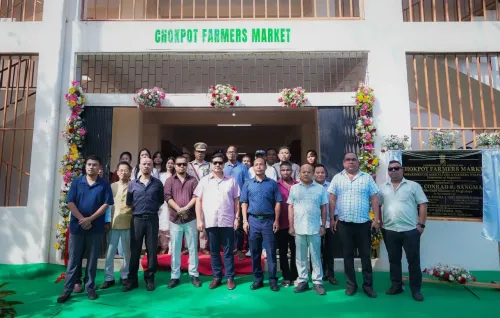
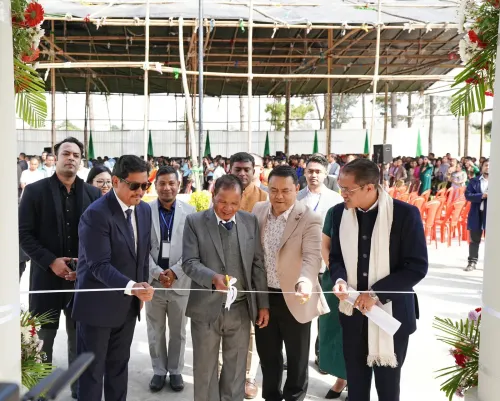
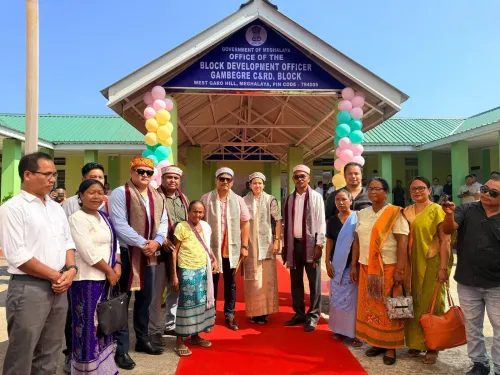
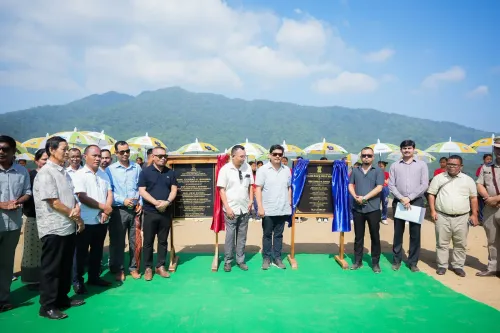
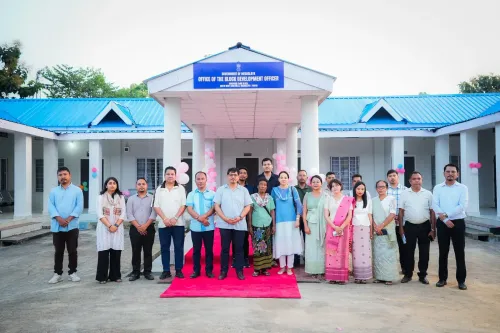
Meghalaya CM Conrad Sangma inaugurated the Block Integrated Development Complex at Chokpot C&RD Block in South Garo Hills on November 9, 2026, marking eight years of block-level infrastructure upgrades aimed at bringing administration closer to rural and border-area residents.
Key Takeaways
Meghalaya CM Conrad Sangma inaugurated the Block Integrated Development Complex of Chokpot C&RD Block in South Garo Hills District on November 9, 2026 .
The inauguration is part of a statewide block-office renovation drive running since 2018 , when Sangma first assumed office.
South Garo Hills is a border district with significant rural and remote populations historically underserved by state administration.
Sangma publicly urged the BDO and staff to 'serve with compassion and ensure schemes reach the people,' underscoring last-mile delivery as the primary goal.
Community and Rural Development blocks are the key tier through which welfare schemes and development funds reach village households in Meghalaya.
The rollout of similar complexes in other districts and welfare-scheme utilisation rates in upgraded blocks remain the key indicators to watch.
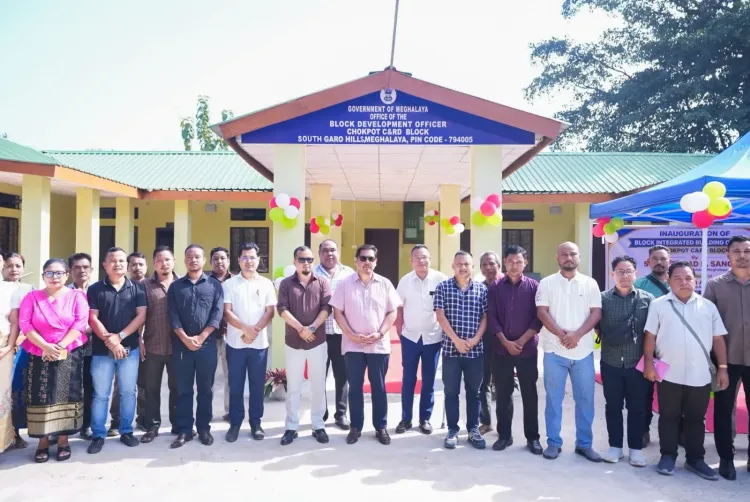
A new chapter in grassroots governance opened in South Garo Hills District on Monday, November 9, 2026, as Meghalaya Chief Minister Conrad Sangma inaugurated the Block Integrated Development Complex of Chokpot C&RD Block — the latest milestone in an eight-year push to bring the machinery of the state closer to its most remote citizens.
Eight years of block-level infrastructure, one complex at a time
Sangma framed the inauguration inside a larger arc: since taking office in 2018, his government has steadily upgraded block offices across Meghalaya as the frontline of rural administration. The Chokpot complex joins a growing list of renovated facilities in a state where geography — forested hills, dispersed villages, long distances to district headquarters — has historically made accessing government schemes an ordeal for ordinary residents.
The Chokpot C&RD Block sits in South Garo Hills, one of Meghalaya's border districts where both rural density and administrative gaps have long called for a stronger physical presence of the state. Community and Rural Development blocks are the tier of government through which welfare schemes, rural employment programmes, and development funds actually reach village households — making a modern, functional complex far more than a ribbon-cutting moment.
A direct call to the people who staff the complex
Notably, Sangma did not simply declare the building open and move on. He addressed the Block Development Officer (BDO) and staff directly, urging them to 'serve with compassion and ensure schemes reach the people.' The public call-to-action signals that for the Chief Minister, infrastructure is a means, not an end — the building matters only insofar as it accelerates last-mile delivery of welfare to households in rural and border areas.
That framing is consistent with Meghalaya's broader decentralisation strategy, which treats upgraded block-level offices as the capillaries through which state resources flow to citizens who are farthest from urban centres. When a BDO operates out of a functional complex rather than a crumbling facility, the administrative argument goes, scheme approvals move faster, records are better maintained, and citizens are more likely to show up and engage.
What comes next for Meghalaya's block-office upgrade drive
The Chokpot inauguration keeps attention on how many similar complexes are still in the pipeline — and whether welfare-scheme utilisation in upgraded blocks measurably outpaces districts where the renovation drive has not yet arrived. South Garo Hills, with its border character and historically underserved villages, will itself serve as a live test of whether a better building translates into better governance on the ground.
For a state whose terrain makes centralised administration almost impossible, the block complex is the government's most human-scale bet — and Conrad Sangma has now staked eight years of infrastructure investment on that bet paying off in the hills of Garo country.
Point of View
Sangma is signalling accountability downward through the bureaucracy, a move that plays well in a pre-electoral environment where last-mile scheme delivery is increasingly a voter benchmark. The focus on border and rural districts also carries a subtle federalism message: that Meghalaya's particular geography demands a governance model the Centre cannot simply hand down. Whether the upgraded bricks and mortar translate into measurable improvements in scheme uptake will determine how durable this narrative proves.
NationPress
9 Nov 2026
Frequently Asked Questions
What is the Block Integrated Development Complex at Chokpot?
It is a newly inaugurated administrative complex for the Chokpot Community and Rural Development Block in South Garo Hills District, Meghalaya, designed to improve local governance and welfare-scheme delivery for rural residents.
Where is Chokpot C&RD Block located?
Chokpot C&RD Block is located in South Garo Hills District , Meghalaya, in northeastern India — a border district with largely rural and forest-fringe communities.
Why has the Meghalaya government been upgrading block offices?
Since 2018, the Meghalaya government has treated block-level office renovations as a core governance reform, aiming to decentralise administration and ensure welfare schemes reach rural and border-area citizens more efficiently.
Who is Conrad Sangma and which party does he lead?
Conrad Sangma is the Chief Minister of Meghalaya, serving since 2018 , and the national president of the National People's Party (NPP) , a regional party based in northeastern India.
What is the role of a Block Development Officer in Meghalaya?
A Block Development Officer (BDO) is the key government official at the block level responsible for implementing rural development schemes, managing community welfare programmes, and acting as the primary administrative interface between the state and village-level residents.