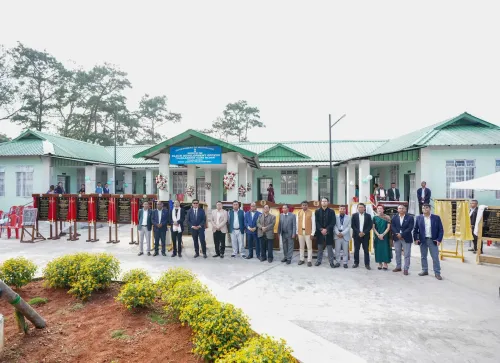
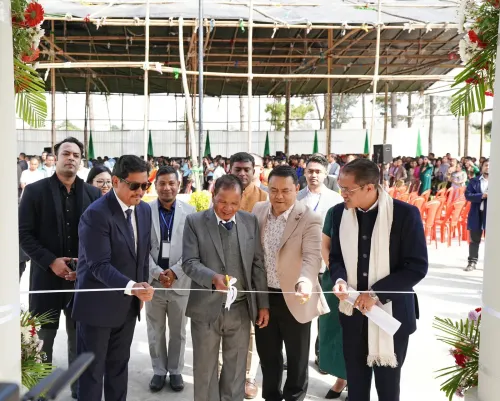
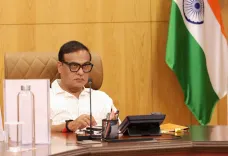
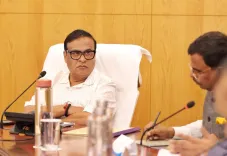
CM Conrad Sangma inspects ₹36 Cr Thadlaskein Hospitality Complex
Synopsis
Meghalaya CM Conrad Sangma inspected the ₹36 Crore Thadlaskein Hospitality Complex on November 5, 2026, disclosing a total ₹112.45 Crore tourism investment in West Jaiñtia Hills across 9 projects at various stages of completion.
Key Takeaways
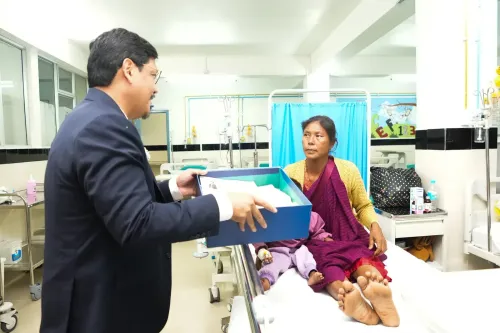
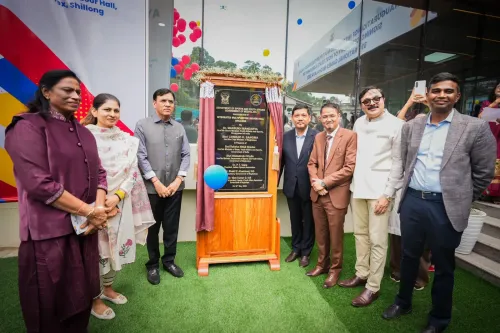
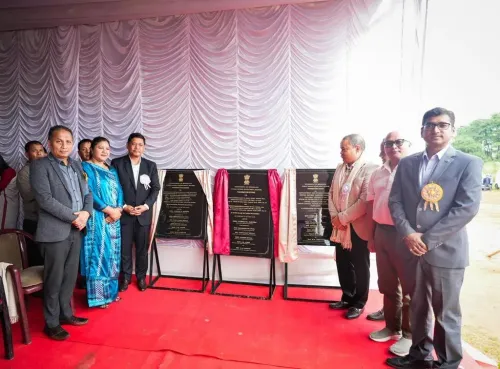
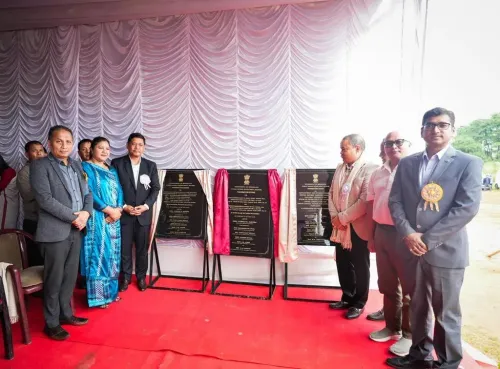
Meghalaya CM Conrad Sangma personally inspected the Thadlaskein Hospitality Complex on 5 November 2026 .
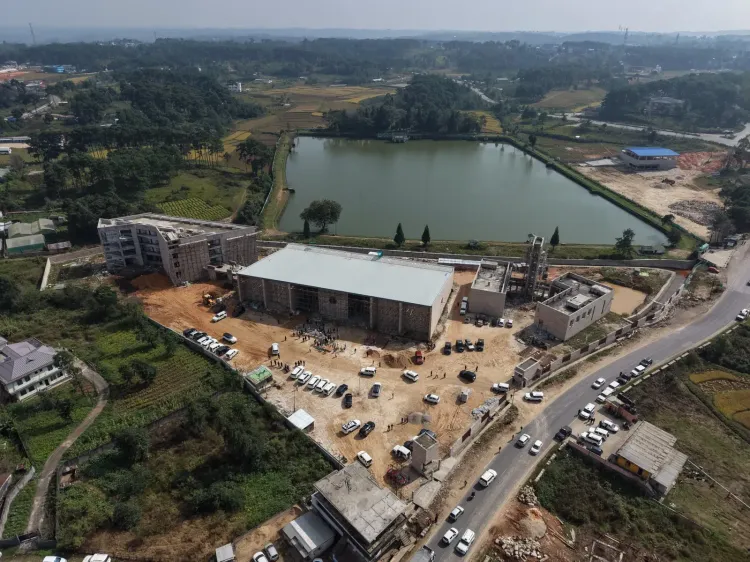
The complex is being built at a cost of ₹36 Crore under the State Scheme and will include a hotel and convention centre.
Total state tourism investment in West Jaiñtia Hills stands at ₹112.45 Crore across 9 projects.
3 projects worth ₹14.91 Crore are complete; 4 projects worth ₹92.49 Crore are ongoing; 2 projects worth ₹5.05 Crore are in the pipeline.
Union Minister Jyotiraditya Scindia was tagged in the post, indicating central government engagement with the state's tourism push.
A ₹36 Crore hospitality complex in West Jaiñtia Hills is set to reshape tourism in one of Meghalaya's most promising districts — and Meghalaya Chief Minister Conrad Sangma walked the site himself on Thursday, November 5, 2026, signalling the state government's direct attention to its progress.
What Thadlaskein is being built to become
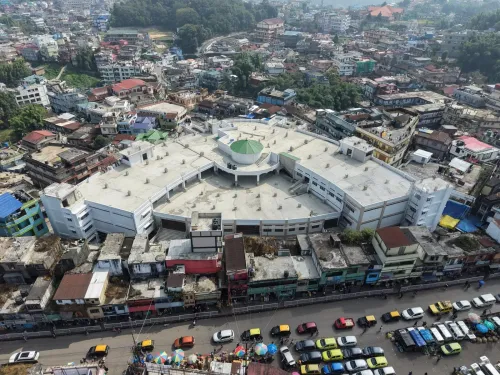
The Thadlaskein Hospitality Complex, funded under the State Scheme, will house a hotel, a convention centre, and associated facilities. The ambition is straightforward: give West Jaiñtia Hills the infrastructure to receive, host, and retain visitors who currently have few quality options in the district. Thadlaskein, already known for its lake and scenic surroundings, stands to become a genuine destination anchor rather than a day-trip stop.
Sangma described the complex as central to 'enhancing the tourism experience and hospitality infrastructure of West Jaiñtia Hills' — a district that has historically punched below its natural weight as a tourism draw.
₹112.45 Crore — the full picture of West Jaiñtia Hills tourism investment
The Thadlaskein complex is not a standalone bet. The Chief Minister laid out the full portfolio: the state government is directing ₹112.45 Crore into tourism infrastructure across the district. Of this, 3 projects worth ₹14.91 Crore are already complete, 4 projects worth ₹92.49 Crore are actively underway, and 2 more projects worth ₹5.05 Crore sit in the pipeline awaiting execution.
The numbers tell a story of deliberate sequencing — small completions proving the model, a large mid-stage tranche doing the heavy lifting, and a final batch waiting in the wings. The ₹92.49 Crore ongoing cluster is the one to watch: its timely delivery will determine whether the district's hospitality capacity transforms on paper or in practice.
Northeast tourism's bigger push — and who's watching from Delhi
Sangma tagged Union Minister Jyotiraditya Scindia in his post — a signal that the state is keeping central government stakeholders looped in as projects mature. Meghalaya's approach mirrors a wider Northeast India pattern: incremental, district-level hospitality upgrades designed to diversify economies that have long leaned on a narrow base. Convention centres and quality hotels are not just tourism plays; they attract business delegations, government conclaves, and the kind of sustained footfall that generates local employment and tax revenue.
West Jaiñtia Hills, with its lakes, waterfalls, and coal-country landscape now transitioning toward experience tourism, is an early test case for whether this model holds beyond the headline districts of Shillong and Cherrapunji.
Point of View
Potentially unlocking complementary aviation or road-access support. If the ₹92.49 Crore ongoing tranche delivers on schedule, West Jaiñtia Hills could become a replicable template for district-level hospitality transformation across the Northeast.
NationPress
5 Nov 2026
Frequently Asked Questions
What is the Thadlaskein Hospitality Complex in Meghalaya?
The Thadlaskein Hospitality Complex is a state-funded project being developed at a cost of ₹36 Crore in West Jaiñtia Hills, Meghalaya. It will include a hotel, a convention centre, and other facilities aimed at boosting tourism and hospitality infrastructure in the district.
How much is Meghalaya investing in West Jaintia Hills tourism?
The Meghalaya government is investing a total of ₹112.45 Crore in tourism infrastructure in West Jaiñtia Hills, spread across 9 projects — 3 completed, 4 ongoing, and 2 in the pipeline.
Which projects are ongoing in West Jaintia Hills tourism development?
Four tourism projects worth a combined ₹92.49 Crore are currently ongoing in West Jaiñtia Hills as of November 2026. These form the bulk of the district's active tourism infrastructure push.
Why did CM Conrad Sangma tag Jyotiraditya Scindia in his post?
CM Sangma tagged Union Minister Jyotiraditya Scindia to keep central government stakeholders informed about Meghalaya's tourism infrastructure progress, potentially signalling a bid for complementary central support in connectivity or allied sectors.
Where is Thadlaskein located and why is it significant for tourism?
Thadlaskein is located in West Jaiñtia Hills district of Meghalaya. It is known for its lake and scenic natural surroundings, making it a promising site for a hospitality hub that could anchor tourism in the region beyond day-trip visits.