CM Conrad Sangma inaugurates Sports Complex in Shillong
Synopsis
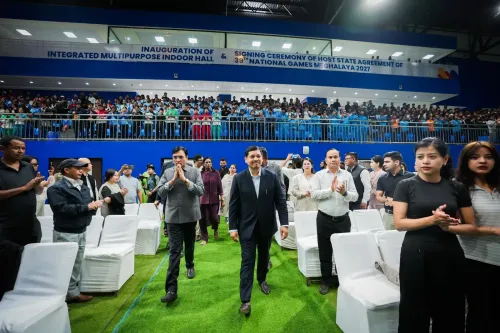
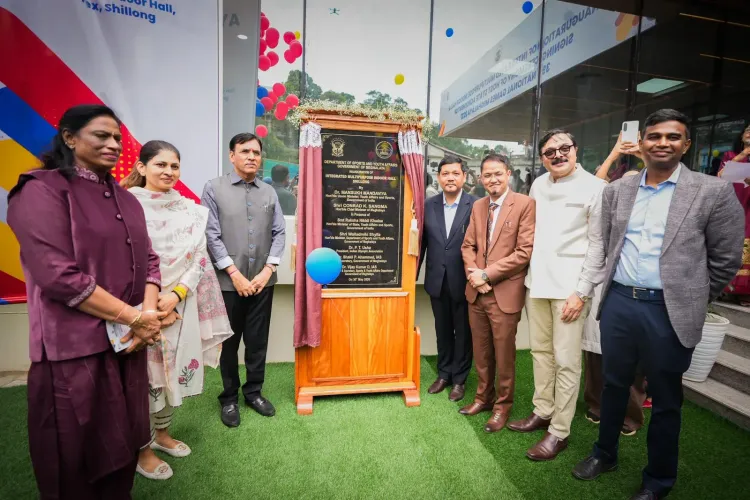
Meghalaya CM Conrad Sangma on 30 May 2026 inaugurated the Integrated Hospitality and Sports Complex at J N Sports Complex, Polo, Shillong — developed under the Meghalaya Eco-Tourism Infrastructure Development Project with New Development Bank funding and earmarked as a key venue for the 39th National Games.
Key Takeaways
CM Conrad Sangma inaugurated the Integrated Hospitality and Sports Complex at J N Sports Complex, Polo, Shillong on 30 May 2026 .
The complex was developed under the Meghalaya Eco-Tourism Infrastructure Development Project with support from the New Development Bank .
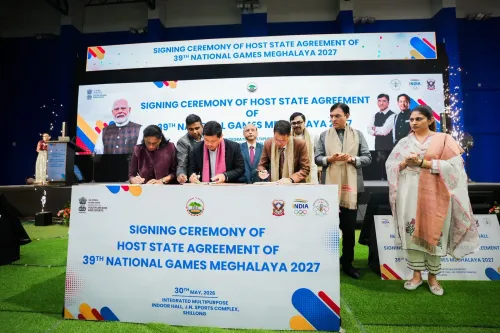
The facility is designated as a key venue for the 39th National Games , which Meghalaya is scheduled to host.
The NDB , founded by BRICS nations in 2014 , has enabled state-level access to multilateral financing for infrastructure and sustainable development in India .
The project reflects a broader pattern of northeastern states using multilateral funding to build sports and eco-tourism infrastructure.
The complex is designed to serve as a year-round tourism and sports asset beyond the National Games .
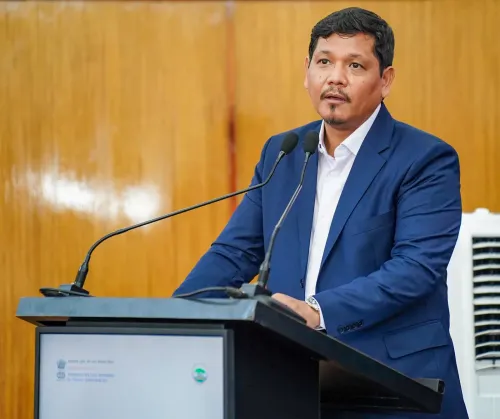
Meghalaya Chief Minister Conrad Sangma on Saturday, 30 May 2026, inaugurated the Integrated Hospitality and Sports Complex at J N Sports Complex, Polo, Shillong, marking a significant milestone in the state's preparations for a major national sporting event.
Context
Posting on X, CM Sangma described the newly opened facility as a 'world-class sports facility' that 'reflects what determined governance, strategic planning, and relentless execution can achieve.' The complex is part of the Meghalaya Eco-Tourism Infrastructure Development Project, developed with financial support from the New Development Bank (NDB), the multilateral lender founded by BRICS nations in 2014.
The J N Sports Complex in the Polo area of Shillong is one of the state's primary sporting venues. The integrated hospitality component adds accommodation and event-management infrastructure alongside the existing sporting facilities, a combination designed to meet the logistical demands of large-scale national competitions.
Policy Backdrop
India became a founding member of the New Development Bank in 2014, opening a channel for state governments to access multilateral financing for infrastructure and sustainable development projects. Meghalaya's use of NDB funding for a sports-cum-eco-tourism asset reflects a broader pattern among northeastern states, which have increasingly turned to multilateral institutions to offset geographic and connectivity disadvantages.
The National Games have rotated among Indian states since 1985 under the Indian Olympic Association, with each host state required to upgrade or build venues to national standards. Hosting the 39th National Games has served as a direct catalyst for Meghalaya to accelerate capital investment in sports infrastructure that would otherwise have taken considerably longer to materialise.
Stakeholders and Impact
Athletes competing at the 39th National Games will be the most immediate beneficiaries, gaining access to a venue that combines competition-grade sports facilities with integrated hospitality. Local youth in Shillong and across Meghalaya stand to benefit from improved training infrastructure long after the Games conclude.
The tourism sector is also a key stakeholder. By branding the project under an eco-tourism development framework, the state government is positioning the complex as a year-round asset rather than a single-event venue. This approach aligns with a wider Indian trend of leveraging national sporting events to build durable regional infrastructure and raise the host state's profile.
What's Next
Attention now turns to the rollout of remaining venues and logistics required before Meghalaya can formally host the 39th National Games. The state government is expected to announce further project phases, and observers will watch whether additional NDB-supported tourism or sports assets are commissioned in the lead-up to the event.
The inauguration of the Integrated Hospitality and Sports Complex signals that Meghalaya is moving from planning to delivery — and that multilateral financing, paired with state-level execution, is increasingly shaping the infrastructure landscape of India's northeast.
Point of View
Delivering a New Development Bank-funded, nationally visible venue ahead of the 39th National Games strengthens his governance credentials ahead of any future electoral cycle in Meghalaya. The project also fits a deliberate pattern by which northeastern states are reframing themselves as viable hosts for national events — using those events as leverage to extract capital investment that geography and limited state revenues would otherwise deny them. The NDB's role here is worth watching: it signals that multilateral green-infrastructure financing is becoming a standard tool in the northeast's development playbook, not an exception.
NationPress
14 Oct 2026
Frequently Asked Questions
What is the Integrated Hospitality and Sports Complex in Shillong?
The Integrated Hospitality and Sports Complex is a newly inaugurated facility at J N Sports Complex, Polo, Shillong, developed under the Meghalaya Eco-Tourism Infrastructure Development Project with funding from the New Development Bank. It combines competition-grade sports infrastructure with integrated hospitality, and will serve as a key venue for the 39th National Games.
When was the Shillong sports complex inaugurated?
Meghalaya Chief Minister Conrad Sangma inaugurated the complex on Saturday, 30 May 2026.
What is the New Development Bank and how is it connected to this project?
The New Development Bank is a multilateral development bank founded by BRICS nations in 2014 to finance infrastructure and sustainable development. India is a founding member, and Meghalaya accessed NDB support to fund the Eco-Tourism Infrastructure Development Project, under which this complex was built.
Which National Games will be held in Meghalaya?
Meghalaya is set to host the 39th National Games, India's national multi-sport competition organised under the Indian Olympic Association. The Integrated Hospitality and Sports Complex at J N Sports Complex, Polo, is one of the key designated venues.
How does this project benefit Meghalaya's tourism sector?
By developing the complex under an eco-tourism infrastructure framework, the Meghalaya government has positioned it as a year-round tourism and sports asset, not just a one-time event venue. This is expected to boost the state's regional visibility and provide lasting economic benefit to the local tourism sector.