CM Conrad Sangma Signs Host State Pact for 39th National Games 2027
Synopsis
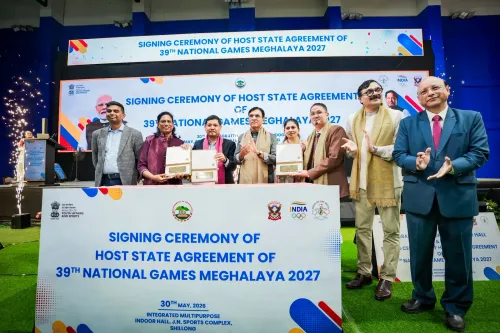
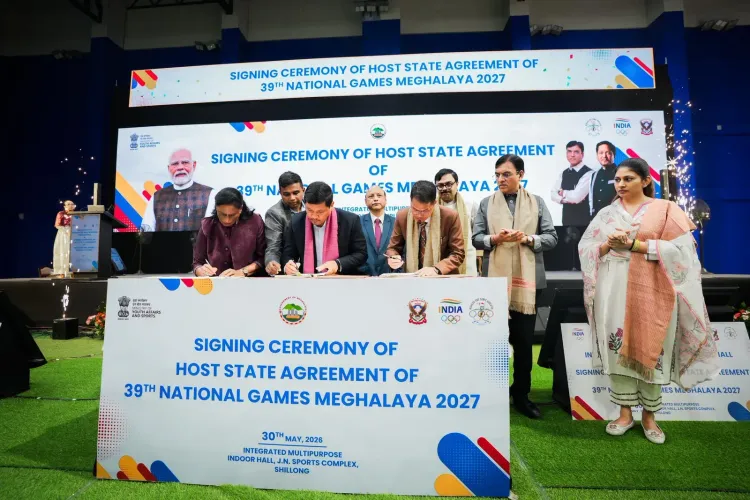
Meghalaya Chief Minister Conrad Sangma signed the Host State Agreement for the 39th National Games 2027 on May 30, framing it as a collective Northeast moment. Sister states will hold host participation rights for disciplines held in their territories, marking a novel multi-state hosting model for India's premier multi-sport competition.
Key Takeaways
Meghalaya signed the Host State Agreement for the 39th National Games 2027 on May 30, 2026 .
CM Conrad Sangma described the signing as 'a defining moment in Meghalaya's sporting journey.' Other Northeast states will hold host participation rights for disciplines conducted within their territories.
The arrangement is the first multi-state co-hosting model for the National Games in the Northeast region.
The move aligns with the Khelo India programme and central policy to decentralise major sporting events to the Northeast.
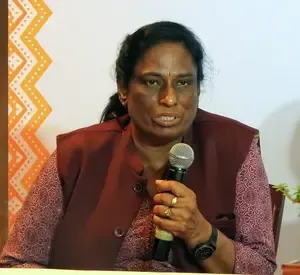
PT Usha , President of the Indian Olympic Association, and senior Union ministers are key stakeholders in the planning process.
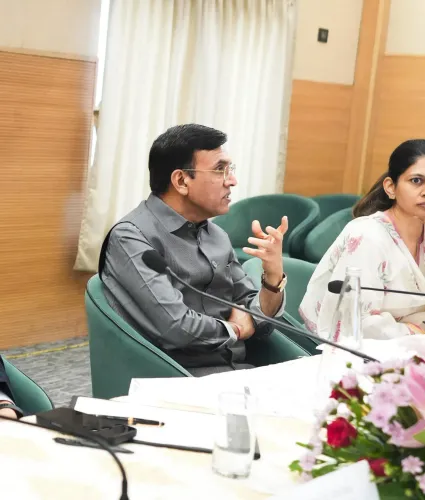
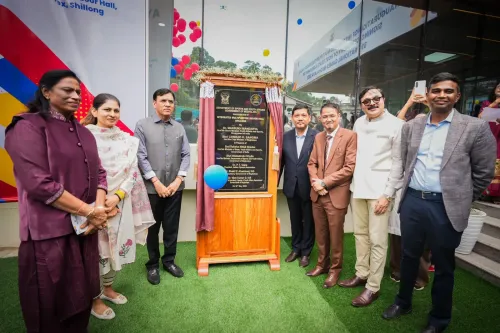
Meghalaya Chief Minister Conrad Sangma on Saturday, May 30, 2026, announced the signing of the Host State Agreement for the 39th National Games 2027, marking a landmark step in the state's bid to host one of India's largest multi-sport competitions. The agreement positions Meghalaya as the lead host state while extending participation rights to other Northeastern states for disciplines held within their territories.
Context
In his post, Conrad Sangma described the signing as 'a defining moment in Meghalaya's sporting journey' and framed it as 'a collective Northeast moment.' He underlined that sister states from the region will hold host participation rights in disciplines conducted within their respective territories, calling the arrangement 'a truly inclusive regional celebration of sporting excellence.'
The Chief Minister tagged Prime Minister Narendra Modi, Home Minister Amit Shah, Sports Minister Mansukh Mandaviya, and Indian Olympic Association President PT Usha in his post, signalling the high-level central government engagement behind the agreement.
Policy Backdrop
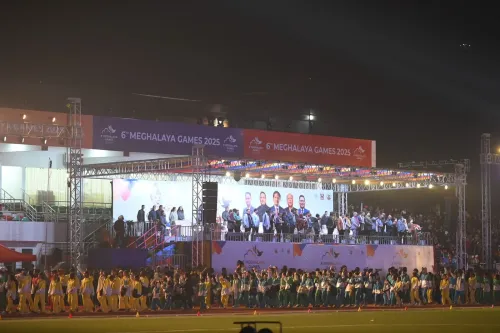
The 39th National Games is organised by the Indian Olympic Association and is scheduled for 2027. The previous edition, the 37th National Games, was hosted by Goa in 2023, continuing the national rotation of the event among states.
The decision to bring the Games to the Northeast aligns with a broader central policy push to decentralise major sporting events away from traditional host states. The Khelo India programme, launched in 2017, has been a key instrument in building grassroots sports infrastructure and identifying talent across Northeastern states, laying some of the groundwork for an event of this scale.
The multi-state hosting model — where Meghalaya leads but neighbouring states share rights for specific disciplines — builds on earlier experiments with clustered hosting in other parts of India, and represents a novel arrangement for the Northeast.
Stakeholders and Impact
For Northeast India, the agreement carries significance beyond logistics. The region's athletes, state sports departments, and local communities stand to benefit from the infrastructure investment and visibility that a national-level event generates. The shared hosting model is designed to ensure that the economic and reputational gains are distributed across the seven sister states rather than concentrated in a single venue.
PT Usha, as President of the Indian Olympic Association, is a central figure in the planning process. Her involvement, along with the tagging of senior Union ministers, suggests that coordination between the state government and New Delhi is already at an advanced stage ahead of the 2027 event.
What's Next
The signing of the Host State Agreement is a formal milestone, but the road to 2027 involves substantial work: venue finalisation, infrastructure upgrades, and coordination meetings among the participating Northeastern states. Central funding announcements for sports facilities are among the developments to watch in the months ahead.
If executed as envisioned, the 39th National Games could set a precedent for regional co-hosting of national sporting events, reinforcing the Northeast's emerging identity as a destination for sport, culture, and investment.
Point of View
Conrad Sangma has crafted a regional coalition narrative that strengthens the NPP's standing across the Northeast. The move also gives the central government a tangible deliverable under the Khelo India framework, ahead of what will be a politically significant election cycle in several Northeastern states. Whether the infrastructure commitments translate into lasting sporting legacy will depend on the pace and scale of central funding that follows this agreement.
NationPress
22 Sept 2026
Frequently Asked Questions
When will the 39th National Games be held?
The 39th National Games are scheduled for 2027, with Meghalaya as the lead host state following the signing of the Host State Agreement on May 30, 2026.
Which states will co-host the 39th National Games with Meghalaya?
Other Northeast states will hold host participation rights for disciplines conducted within their respective territories, though the exact allocation of disciplines has not been publicly detailed yet.
What is the Host State Agreement for the National Games?
The Host State Agreement is a formal pact between the host state government and the Indian Olympic Association that confirms the state's commitment to organise the National Games and outlines the terms of hosting.
Who is PT Usha and what is her role in the National Games?
PT Usha is the President of the Indian Olympic Association and a former celebrated athlete. She is centrally involved in the planning and approval process for the National Games.
How does Khelo India relate to the National Games in Meghalaya?
The Khelo India programme, launched in 2017, has funded sports infrastructure and talent identification in the Northeast, helping build the foundation for Meghalaya to take on a national-scale event like the 2027 National Games.