CM Conrad Sangma secures land for Meghalaya House-II in Navi Mumbai
Synopsis
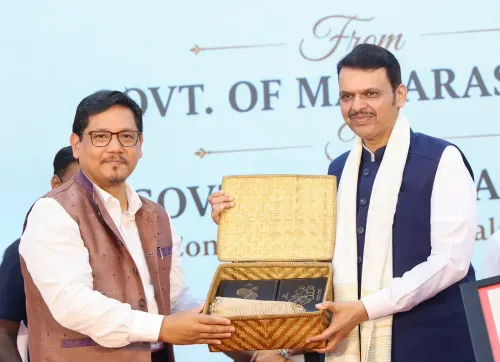
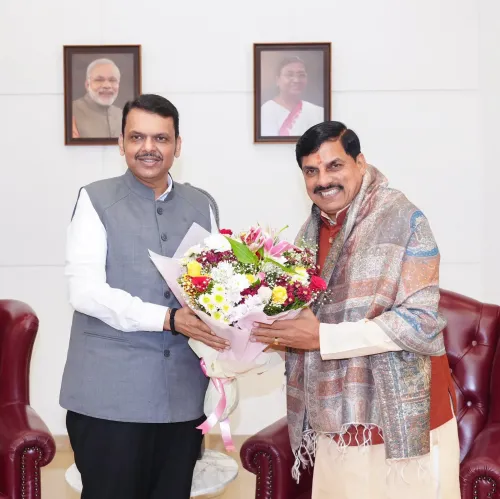
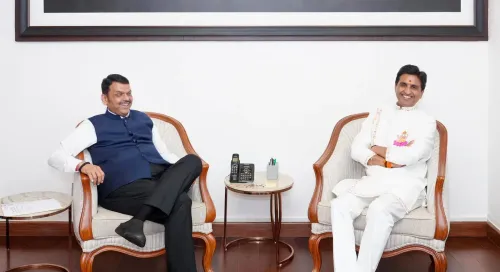
Meghalaya Chief Minister Conrad Sangma marked the land handover for Meghalaya House-II at Kharghar, Navi Mumbai on 8 August 2026, thanking Maharashtra CM Devendra Fadnavis. The new facility will ease pressure on the existing Vashi guest house and serve as a cultural showcase for the Northeast.
Key Takeaways
Land for Meghalaya House-II was formally handed over at Kharghar, Navi Mumbai on 8 August 2026 .
Maharashtra Chief Minister Devendra Fadnavis and his government facilitated the land allocation.
The new facility is intended to ease capacity constraints at the existing Meghalaya House-I at Vashi .
CM Conrad Sangma envisions the site as a cultural showcase for Meghalayan music, food, crafts, tourism, and tribal heritage.
The project fits a broader pattern of Northeast states using metro Bhawans as soft-power and inter-regional outreach tools.
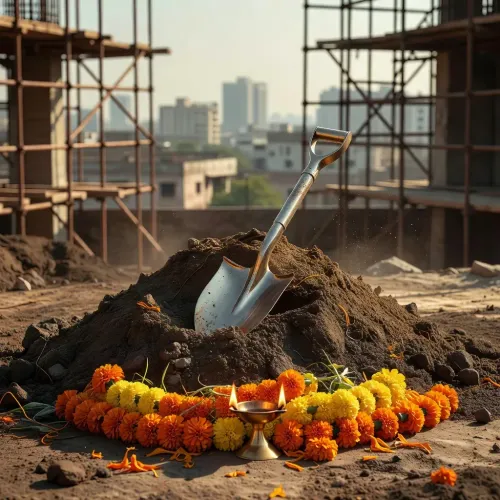
A plot of land in Kharghar, Navi Mumbai quietly handed over on Saturday, 8 August 2026 carries a weight far beyond its square footage. Meghalaya Chief Minister Conrad Sangma marked the formal land transfer for Meghalaya House-II — a facility he says will be a lifeline for his state's citizens navigating one of India's most demanding cities, and a cultural window for the west to discover the Northeast.
Why Vashi was no longer enough
The existing Meghalaya House-I at Vashi, Navi Mumbai has long been the first port of call for Meghalayas visiting Mumbai — for chemotherapy appointments, college admissions, government meetings, or job searches. But the facility has been straining under growing demand. The new site at Kharghar is the direct answer to that pressure: more space, more beds, and a more capable support system for citizens far from home.
Sangma acknowledged the constraint plainly: 'With the growing number of our people travelling to Mumbai and the limited capacity of Meghalaya House-I at Vashi, this new facility will significantly strengthen the support system for our citizens.'
Fadnavis and the Maharashtra handshake
Maharashtra Chief Minister Devendra Fadnavis and his administration facilitated the land allocation, drawing personal thanks from Sangma. The gesture reflects a pattern of inter-state cooperation that rarely makes headlines but matters enormously at the ground level — state governments across India have long maintained Bhawans and guest houses in major metros precisely because citizens cannot always wait for the system to come to them.
Fadnavis, who returned to the chief ministership in 2023 after a previous term from 2014 to 2019, has positioned Maharashtra as a partner state for India's Northeast — and this land transfer is a concrete expression of that posture.
A guest house with a bigger ambition
Sangma is pitching Meghalaya House-II as something more than a dormitory. He wants it to become 'a window for the West to experience our North East' — a venue for Meghalayan music, food, crafts, tourism promotion, and the entrepreneurship emerging from the state's tribal communities. It is a soft-power play dressed in civic infrastructure: use the footfall of official visitors to build a permanent cultural presence in India's financial capital.
Northeast states have increasingly leaned into this model, turning state Bhawans in Delhi and Mumbai into mini-embassies of regional identity. Meghalaya House-II, if realised with that ambition, could become one of the more consequential such facilities — given Meghalaya's distinct Khasi, Jaintia, and Garo cultural heritage and a tourism profile that has been rising steadily.
The land is secured. The blueprint is ambitious. Now Meghalaya has to build it — and then fill it with the culture it is promising.
Point of View
Positioning Meghalaya House-II as a platform for soft power rather than just a bed-and-breakfast for officials. The Fadnavis government's cooperation signals that Maharashtra sees value in cultivating Northeast goodwill, especially as economic migration from the region to Mumbai grows. Whether the cultural ambition survives the procurement and construction cycle will be the real test.
NationPress
8 Aug 2026
Frequently Asked Questions
What is Meghalaya House-II and where will it be located?
Meghalaya House-II is a new state guest facility planned at Kharghar in Navi Mumbai. It will provide accommodation and support for Meghalaya residents visiting Mumbai for medical treatment, education, work, or official purposes.
Why is a new Meghalaya House needed in Mumbai?
The existing Meghalaya House-I at Vashi, Navi Mumbai has limited capacity and is struggling to meet growing demand from Meghalaya residents travelling to Mumbai. The new facility at Kharghar is intended to significantly expand support for citizens.
Who handed over the land for Meghalaya House-II?
The Government of Maharashtra, led by Chief Minister Devendra Fadnavis, facilitated and handed over the land at Kharghar to the Meghalaya government for the new facility.
What is Conrad Sangma's vision for Meghalaya House-II beyond accommodation?
CM Conrad Sangma wants Meghalaya House-II to serve as a cultural showcase — a window for western India to experience Meghalayan music, food, crafts, tourism, entrepreneurship, and the heritage of its tribal communities.
How do Northeast states use guest houses in major Indian cities?
Northeast states increasingly use state Bhawans and guest houses in metros like Mumbai and Delhi not just for official accommodation but as cultural outreach centres, hosting food festivals, craft exhibitions, and tourism promotions to build inter-regional connections.