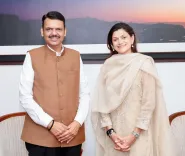
CM Fadnavis Lays Foundation for Nagpur Sanitation Workers' Housing

Synopsis
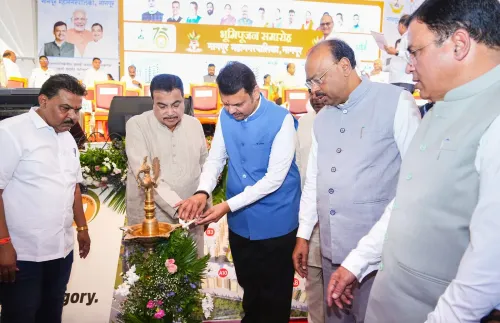
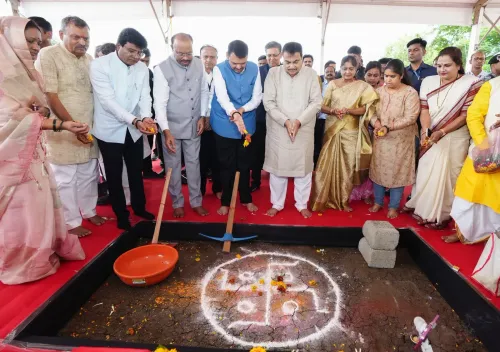
Maharashtra Chief Minister Devendra Fadnavis on 12 July 2026 performed the ground-breaking for 'Maharshi Sudarshan Valmiki Vasahat' and 'Swapnapurti' PMAY housing units for Nagpur Municipal Corporation sanitation workers, extending state welfare outreach to a historically underserved civic workforce.
Key Takeaways
CM Devendra Fadnavis performed the bhoomipooja for two housing projects for Nagpur Municipal Corporation sanitation workers on 12 July 2026 .
The projects are named 'Maharshi Sudarshan Valmiki Vasahat' and 'Swapnapurti' , the latter linked to the central Pradhan Mantri Awas Yojana (PMAY) .
The ceremony was held in Nagpur at 1:41 PM IST and broadcast live on social media.
The initiative targets the Valmiki community and other safai karmacharis who form the core of Nagpur's municipal sanitation workforce.
The project aligns with Maharashtra's policy of integrating PMAY-Urban with dedicated housing for municipal workers, a pattern established since 2016–17 .
Completion timelines, unit count, and beneficiary allotment details are yet to be officially announced.
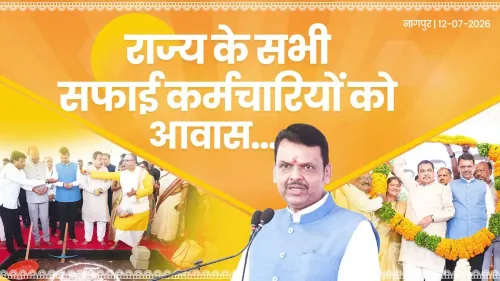
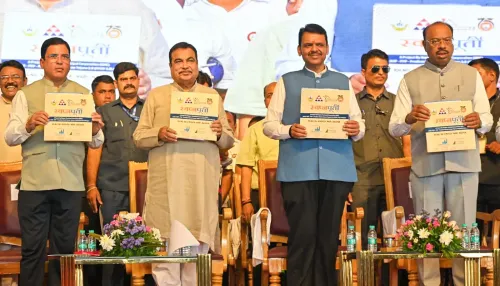
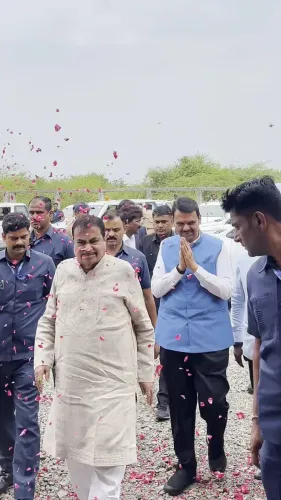
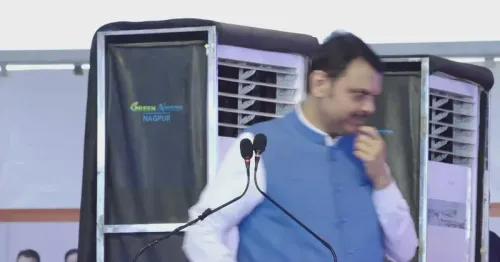
Maharashtra Chief Minister Devendra Fadnavis on Sunday, 12 July 2026, performed the bhoomipooja (ground-breaking ceremony) for two housing projects in Nagpur dedicated to sanitation workers of the Nagpur Municipal Corporation (NMC) — the 'Maharshi Sudarshan Valmiki Vasahat' colony and 'Swapnapurti' residential units under the Pradhan Mantri Awas Yojana (PMAY). The ceremony was held at 1:41 PM IST and was broadcast live.
Fadnavis announced the ground-breaking via a live post on X, sharing the event details in Marathi. Translated, the post reads: 'Ground-breaking ceremony of the 'Maharshi Sudarshan Valmiki Vasahat' and 'Swapnapurti' residential units under the Pradhan Mantri Awas Yojana for sanitation workers of Nagpur Municipal Corporation — 1:41 PM, 12-7-2026, Nagpur.'
Context
Nagpur's sanitation workforce, employed by the Nagpur Municipal Corporation, has long been associated with the Valmiki community, which has historically dominated municipal cleaning roles across Indian cities. The 'Maharshi Sudarshan Valmiki Vasahat' project draws on this community identity, offering dedicated housing to workers who form the backbone of the city's sanitation infrastructure. The 'Swapnapurti' — meaning 'fulfilment of a dream' in Marathi — units are being built under the central government's flagship PMAY-Urban scheme.
Policy Backdrop
PMAY-Urban, launched in 2015, was designed to address India's urban housing shortage through in-situ rehabilitation, credit-linked subsidies, and partnership models. Maharashtra integrated the scheme with state-level urban housing policy updates in 2016–17, specifically to include municipal workers such as safai karmacharis (sanitation workers) among priority beneficiaries. The move aligned with the Swachh Bharat Mission's broader goal of improving the living and working conditions of those who sustain urban cleanliness.
Successive Maharashtra governments have used central housing funds to build dedicated colonies for sanitation workers in major cities, making this ground-breaking consistent with a well-established state policy pattern. The naming of the colony after Maharshi Sudarshan Valmiki also carries symbolic weight, acknowledging the community's contribution to civic life.
Stakeholders and Impact
The primary beneficiaries are Nagpur Municipal Corporation sanitation employees and their families, who have often lived in informal or substandard housing. Dedicated PMAY-linked units provide pucca (permanent) homes with legal tenure, access to basic amenities, and financial security — a significant upgrade for workers in one of Maharashtra's largest cities. The project also carries political resonance for the BJP-led state government, which has positioned welfare delivery for marginalised municipal workers as a priority.
Community organisations representing the Valmiki community in Nagpur and across Maharashtra are key stakeholders, as are urban local body officials responsible for beneficiary identification, allotment, and construction oversight under PMAY norms.
What's Next
Attention will now shift to project completion timelines, the number of units to be built, and the beneficiary allotment process under PMAY-Urban guidelines. Observers will also watch whether similar dedicated housing colonies for sanitation workers are announced in other major Maharashtra cities such as Pune, Mumbai, and Nashik, given the state government's stated focus on urban worker welfare. State budget allocations for subsequent phases of the programme will be a key indicator of long-term commitment.
Point of View
Moving beyond generic urban poor categories to specific occupational groups. For CM Fadnavis, who holds Nagpur as his home constituency and political stronghold, welfare announcements in the city carry dual significance: governance credibility and local electoral consolidation. The broader question is whether similar schemes will be scaled to other Maharashtra cities, which will test the government's administrative bandwidth and budgetary commitment beyond symbolic launches.
NationPress
11 Oct 2026
Frequently Asked Questions
What is the 'Maharshi Sudarshan Valmiki Vasahat' project in Nagpur?
It is a dedicated housing colony being built for sanitation workers of the Nagpur Municipal Corporation, named after Maharshi Sudarshan Valmiki in recognition of the Valmiki community's historic role in municipal sanitation. CM Devendra Fadnavis performed its ground-breaking on 12 July 2026.
What is 'Swapnapurti' housing under PMAY in Nagpur?
'Swapnapurti' — meaning 'fulfilment of a dream' — refers to residential units being constructed for Nagpur Municipal Corporation sanitation workers under the central government's Pradhan Mantri Awas Yojana (PMAY-Urban) scheme, which provides affordable pucca homes to urban poor and essential workers.
Who are the beneficiaries of the Nagpur sanitation workers' housing project?
The primary beneficiaries are sanitation employees of the Nagpur Municipal Corporation and their families, particularly those from the Valmiki community who have historically worked in municipal cleaning roles and often lacked access to formal, permanent housing.
What is Pradhan Mantri Awas Yojana (PMAY) and how does it apply here?
PMAY-Urban is a central government flagship scheme launched in 2015 to provide affordable housing to urban poor through subsidies, in-situ rehabilitation, and partnership models. Maharashtra integrated it with state housing policy in 2016–17 to include municipal workers like safai karmacharis as priority beneficiaries.
Why did CM Fadnavis hold this event in Nagpur?
Nagpur is both CM Devendra Fadnavis's home constituency and the headquarters of the Nagpur Municipal Corporation, making it a natural location for state welfare announcements. The event was broadcast live and announced on social media on 12 July 2026.