CM Conrad Sangma visits Telangana's IC&CC in Hyderabad
Synopsis
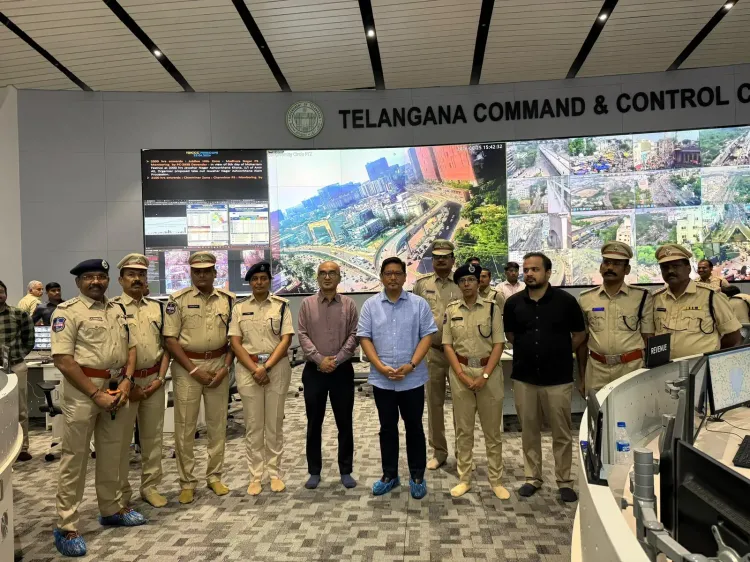
Meghalaya Chief Minister Conrad Sangma visited the Telangana Integrated Command and Control Centre in Hyderabad on 25 June 2026, calling it one of India's leading IC&CCs and a replicable model for states, including Meghalaya, seeking to improve technology-driven governance and citizen service delivery.
Key Takeaways
Conrad Sangma , Chief Minister of Meghalaya, visited the Telangana Integrated Command and Control Centre in Hyderabad on 25 June 2026 .
He described the facility as 'among the country's leading IC&CCs,' citing its integration of technology, data, and inter-departmental collaboration.
Sangma explicitly named Meghalaya as a state that can draw lessons from the Telangana model to improve governance and citizen services.
India's network of Integrated Command and Control Centres was seeded by the Smart Cities Mission , launched in 2015 , covering 100 cities .
The visit is part of a broader pattern of inter-state benchmarking on governance technology that has grown since the Smart Cities Mission created a national IC&CC network.
No specific commitments by Meghalaya were announced following the tour.
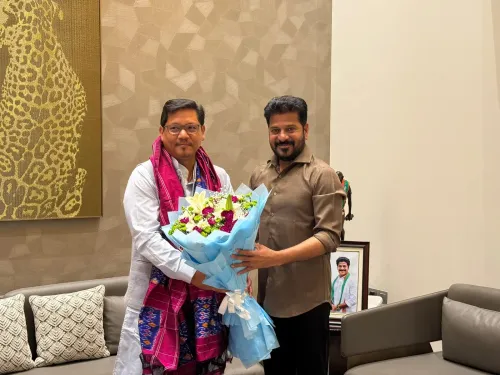
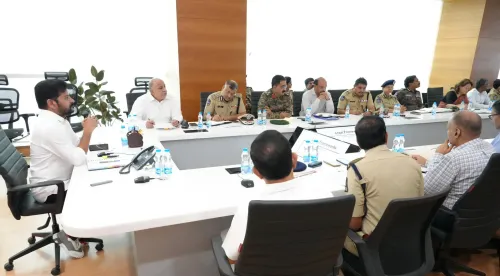
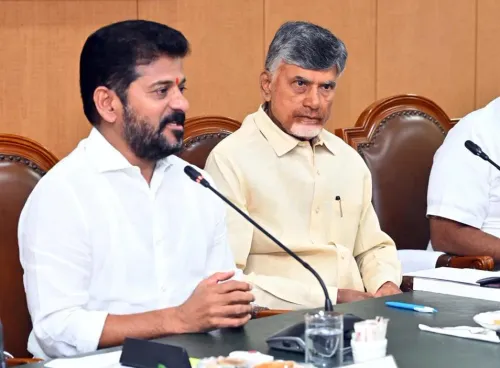
Meghalaya Chief Minister Conrad Sangma on Thursday, 25 June 2026, visited the Telangana Integrated Command and Control Centre (IC&CC) in Hyderabad, describing it as one of the country's leading facilities and a model worth replicating for states including Meghalaya.
Context
Sangma, who also serves as national president of the National People's Party (NPP), said he was 'impressed by the systems and seamless coordination' at the centre. He noted that the facility demonstrates 'how technology, data, and inter-departmental collaboration can come together to deliver more efficient and responsive public services.' The visit was a firsthand study of the centre's functioning and best practices.
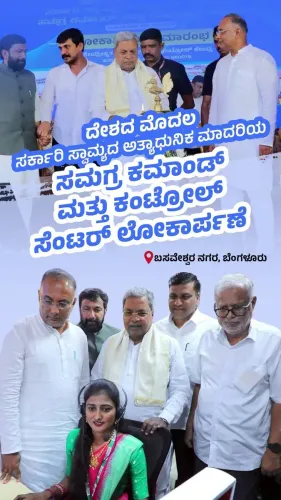
The Telangana IC&CC, based in Hyderabad, integrates data across multiple departments to enable coordinated emergency response, surveillance, and citizen services. It is regarded as one of the more advanced state-level command centres in the country, drawing interest from administrators and policymakers across India.
Policy Backdrop
The proliferation of Integrated Command and Control Centres across India traces back to the Smart Cities Mission, a central government programme launched in 2015 that mandated participating cities to build IC&CC infrastructure as a core pillar of data-driven urban management. The mission covered 100 cities and created a national network of such facilities, with several state governments subsequently expanding the model beyond city limits to the state level.
Telangana's iteration has been cited by multiple states as a benchmark for cross-departmental data integration. The model's emphasis on real-time coordination and unified dashboards has made it a reference point for governance technology benchmarking visits by officials from across the country.
Stakeholders and Impact
For Meghalaya, a northeastern state that has been actively exploring digital tools to strengthen inter-departmental coordination, the visit signals intent to draw lessons from more mature governance technology deployments. Sangma explicitly named Meghalaya as one of the states that can benefit from the Telangana model 'as we work towards leveraging technology to improve governance and citizen service delivery.'
Broader stakeholders include state governments across India that are at varying stages of building or upgrading command-and-control infrastructure, as well as urban and rural citizens who stand to benefit from faster, more coordinated public service delivery. The study-visit pattern has become a recognised mechanism for inter-state knowledge transfer in governance technology.
What's Next
Sangma's visit and public remarks raise the possibility of Meghalaya announcing steps to establish or upgrade its own command-and-control infrastructure, drawing on the Telangana template. The Chief Minister's reference to 'best practices' and the explicit framing of the Hyderabad centre as a model for other states suggests that policy discussions within the Meghalaya administration may follow. Whether the visit translates into a formal proposal or inter-state collaboration remains to be seen, but the political signal is clear: technology-led governance reform is a stated priority for the Sangma administration.
Point of View
Using peer-state benchmarking as political cover for future investment proposals. By framing the Telangana IC&CC as a national model rather than a Telangana-specific achievement, Sangma sidesteps any partisan optics — Telangana is governed by a rival formation — and positions the exercise as purely administrative learning. The move fits a wider pattern among northeastern chief ministers who are increasingly using study visits to larger states to build domestic constituencies for digital infrastructure spending. If Meghalaya follows through with a formal IC&CC proposal, it would mark a meaningful step in the state's long-running effort to close the governance technology gap with more urbanised states.
NationPress
25 Jun 2026
Frequently Asked Questions
What is the Telangana Integrated Command and Control Centre?
The Telangana Integrated Command and Control Centre (IC&CC) in Hyderabad is a state-level facility that integrates data across multiple government departments to enable real-time coordination for emergency response, surveillance, and citizen service delivery. It is considered one of India's more advanced command centres.
Why did Meghalaya CM Conrad Sangma visit Hyderabad?
Chief Minister Conrad Sangma visited the Telangana IC&CC in Hyderabad on 25 June 2026 to study its functioning and best practices firsthand, with a stated aim of drawing lessons for improving technology-driven governance and citizen services in Meghalaya.
What is the Smart Cities Mission and how does it relate to IC&CCs?
The Smart Cities Mission is a central government programme launched in 2015 that required 100 selected cities to build Integrated Command and Control Centres as core infrastructure for data-driven urban management. This created a national network of IC&CCs that states now use as benchmarks.
Will Meghalaya build its own command and control centre?
Chief Minister Sangma described the Telangana IC&CC as a model for Meghalaya, but no formal announcement or specific commitment for a Meghalaya command centre was made following the visit. Policy decisions are expected to follow internal deliberations.
Which states have visited the Telangana IC&CC for governance learning?
The Telangana IC&CC has been cited by multiple Indian states as a benchmark for cross-departmental data integration. Study visits by officials and administrators from across the country have become a recognised mechanism for inter-state knowledge transfer in governance technology.