CM Dhami: 34,000+ Youth Land Govt Jobs via Clean Recruitment
Synopsis
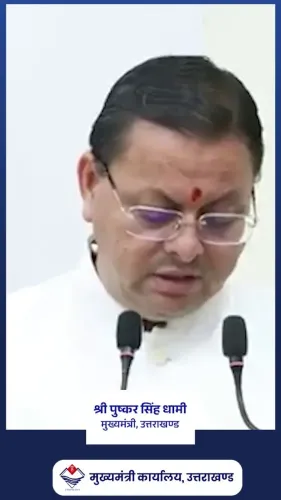
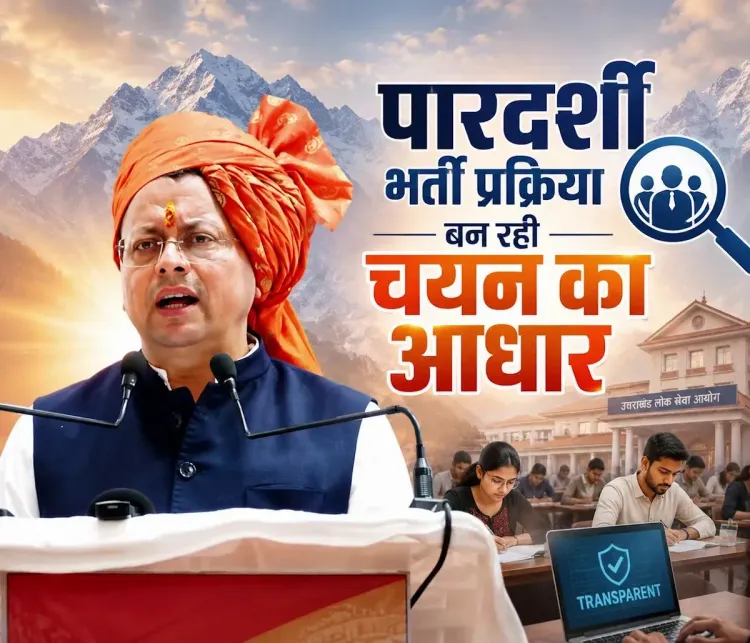
Uttarakhand Chief Minister Pushkar Singh Dhami announced on 1 August 2026 that over 34,000 youth have secured government jobs through a cheat-free, transparent recruitment process — positioning exam integrity as a core governance achievement of his administration.
Key Takeaways
CM Pushkar Singh Dhami announced on 1 August 2026 that over 34,000 youth have been placed in government jobs in Uttarakhand.
The recruitment drive is described as nakl-mukt (cheat-free) and transparent, directly addressing past paper-leak concerns.
Indian states have repeatedly faced credibility crises in public-service exams due to paper leaks and impersonation; Uttarakhand is positioning itself as a counter-example.
Government employment carries particular weight in Uttarakhand, a hill state with high youth out-migration.
Further recruitment phases or legislative measures to institutionalise transparent hiring remain to be announced.
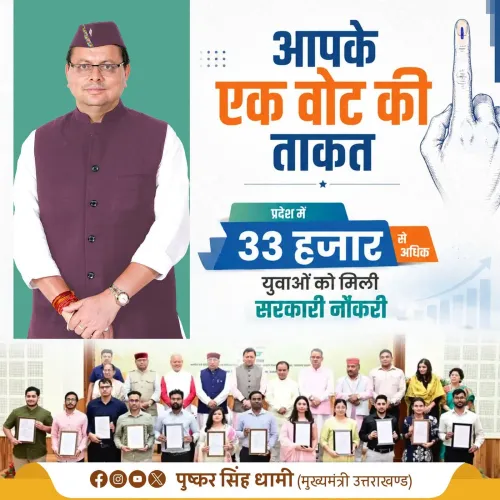
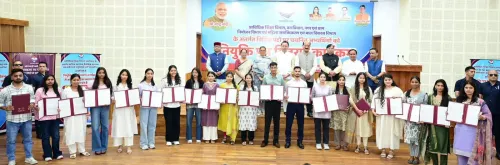
Over 34,000 young people in Uttarakhand have secured government jobs through what Chief Minister Pushkar Singh Dhami is calling a cheat-free, transparent recruitment drive — a milestone his administration is holding up as proof that exam reform works.
34,000 appointments and the promise behind the number
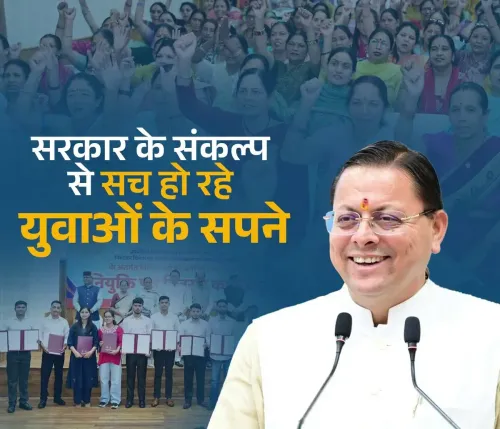
Dhami posted on Saturday, 1 August 2026, declaring that a nakal-mukt aur pardarshi bharti prakriya ('cheat-free and transparent recruitment process') had turned the government-job dreams of more than 34,000 youth into reality. The post arrives as Uttarakhand has been publicly committed to overhauling a state recruitment ecosystem that, like several others across India, had been scarred by paper-leak scandals and credibility crises in public-service examinations.
Why exam integrity became a political flashpoint in India
Across Indian states, paper leaks and impersonation rackets in competitive exams have repeatedly derailed the aspirations of lakhs of candidates — sometimes forcing entire examinations to be cancelled and re-conducted at enormous cost to both the state and the aspirants. The Dhami government has framed its recruitment push explicitly around breaking that cycle: the emphasis on 'nakl-mukt' (cheat-free) is not incidental, it is the political and administrative centrepiece of the announcement. When a government can point to tens of thousands of appointments completed without a controversy, that is a measurable reputational shift.
What the milestone signals for Uttarakhand's job market
Uttarakhand, a relatively small hill state with a young population and historically high out-migration to plains cities, has long grappled with limited local employment in the formal sector. Government jobs carry outsized weight here — they represent stability, social standing, and a reason to stay. A recruitment cycle that places more than 34,000 candidates into state service is, by the state's own scale, a significant absorption of educated youth into the public workforce. Whether additional recruitment phases are in the pipeline will be the next thing to watch.
Point of View
His administration is not just celebrating appointments but contesting a narrative that has damaged BJP-ruled and opposition-ruled states alike — that public exam systems are broken. For a small hill state where government employment is a primary aspiration for educated youth, 34,000 placements represent a tangible political asset heading into any future electoral cycle. The broader pattern of exam-reform politics across India suggests that states which can credibly demonstrate clean recruitment earn a durable trust dividend with first-generation job seekers and their families — a constituency that votes in high numbers.
NationPress
1 Aug 2026
Frequently Asked Questions
How many youth got government jobs in Uttarakhand recently?
Chief Minister Pushkar Singh Dhami announced that over 34,000 youth have secured government jobs in Uttarakhand through a cheat-free and transparent recruitment process.
What is nakl-mukt bharti in Uttarakhand?
'Nakl-mukt bharti' means cheat-free recruitment. The Dhami government has used this phrase to describe its overhauled public-service exam and appointment process aimed at eliminating paper leaks and impersonation.
Why is transparent recruitment important in Uttarakhand?
Like many Indian states, Uttarakhand has faced pressures from paper-leak scandals in competitive exams. Transparent recruitment restores credibility and ensures deserving candidates — especially from the state's young, aspirational population — are not disadvantaged.
What did CM Dhami say about government jobs in Uttarakhand?
On 1 August 2026 , CM Dhami posted that a cheat-free and transparent recruitment process had fulfilled the government-job dreams of more than 34,000 young people in the state.
Is Uttarakhand doing more recruitment drives in 2026?
The Dhami government has not yet announced specific follow-up recruitment phases, but the administration has signalled continued focus on transparent hiring. Further announcements are expected to watch for.