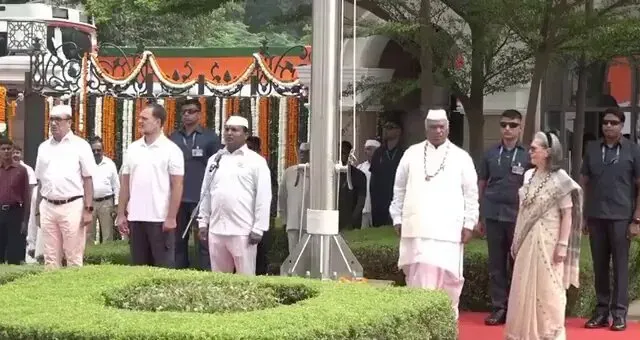
CM Dhami Attacks Congress Over Vande Mataram Stance
Synopsis
On Independence Day 2026, Uttarakhand CM Pushkar Singh Dhami accused Congress of habitual disrespect toward national symbols, calling its attitude to Vande Mataram a reflection of its mindset toward India and branding it a puppet of foreign forces.
Key Takeaways
Uttarakhand CM Pushkar Singh Dhami posted a sharp attack on Congress on Independence Day, 15 August 2026 .
He accused Congress of a long-standing 'insulting attitude' toward national symbols, specifically Vande Mataram .
Vande Mataram was adopted as India's national song in 1950 ; debates over its compulsory singing surfaced during the UPA era (2006–2009) .
Dhami labelled Congress a 'puppet of foreign forces,' a charge the BJP has repeatedly used around national holidays.
No formal response from Congress had been issued at the time of the post.
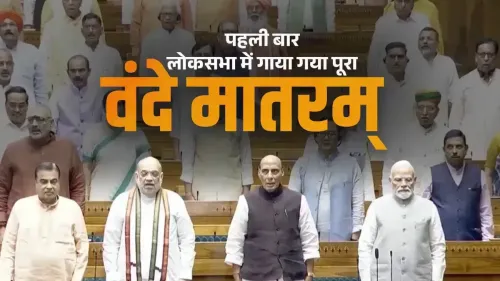
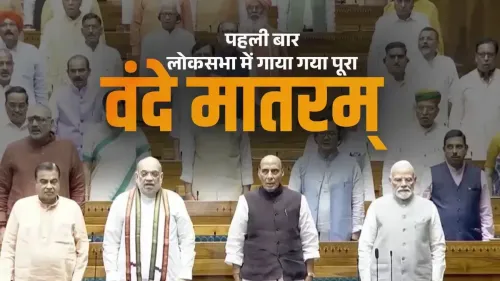
On Independence Day, 15 August 2026, Uttarakhand Chief Minister Pushkar Singh Dhami launched a pointed political broadside against the Indian National Congress, accusing the party of a long-standing disrespect toward national symbols — and singling out its attitude toward Vande Mataram as proof of what he called an anti-national mindset.
Posting in Hindi on the occasion of Independence Day, CM Dhami wrote: 'An insulting attitude toward the symbols of the nation's honour and pride has been an old habit of Congress. Congress's behaviour toward Vande Mataram exposes its mentality toward Mother India. Expecting patriotism from a Congress that has become a puppet of foreign forces is itself meaningless. The countrymen will never accept an insult to the nation's dignity, pride, and glory.'
Vande Mataram and the long fault line in Indian politics
Vande Mataram — India's national song, adopted in 1950 and originally penned by Bankim Chandra Chattopadhyay in his 1882 novel Anandamath — has been a recurring flashpoint in debates over nationalism and minority rights. During the UPA government period around 2006–2009, controversies over compulsory singing of the song in schools and public events drew objections from regional parties and minority groups, drawing sharp criticism from Hindu nationalist organisations.
That fault line has never fully closed. Since 2014, exchanges between the BJP and Congress over national symbols, interpretations of patriotism, and allegations of foreign influence have become a recurring feature of Indian political discourse — and Independence Day has repeatedly served as the stage for such confrontations.
The 'foreign puppet' charge and BJP's Independence Day playbook
Dhami's reference to Congress as a 'puppet of foreign forces' — videshi taqaton ki katputli — is a charge the BJP has deployed with increasing frequency, particularly around national holidays when symbolic politics carry amplified weight. State-level BJP leaders have used such occasions to frame Congress not merely as a political rival but as an entity ideologically misaligned with the nation's core identity.
The framing is deliberate: by anchoring the attack to Vande Mataram, a symbol that carries deep emotional resonance for a large section of the electorate, Dhami connects a policy-era controversy to a broader cultural narrative the BJP has cultivated for over a decade.
Congress has not yet issued a formal response to Dhami's post. Whether the party's national or state spokespersons engage with the charge — and how — will shape whether this remains a one-day Independence Day salvo or escalates into a sustained exchange.
Point of View
Given the UPA-era controversies over compulsory singing. The 'foreign puppet' charge, now a standard BJP rhetorical device, is designed less to open a factual debate than to set the emotional terms of the political contest ahead of any electoral cycle. Whether Congress engages or stays silent will itself be read as a political signal.
NationPress
15 Aug 2026
Frequently Asked Questions
What did CM Dhami say about Congress and Vande Mataram?
CM Dhami accused Congress of showing a historically insulting attitude toward national symbols, saying its behaviour toward Vande Mataram exposes its mindset toward India and that expecting patriotism from a party he called a 'puppet of foreign forces' is meaningless.
What is Vande Mataram and why is it controversial?
Vande Mataram is India's national song, adopted in 1950 and originally written by Bankim Chandra Chattopadhyay in 1882. Controversy over making its singing compulsory in schools surfaced during the UPA government around 2006–2009, with some regional and minority groups objecting.
Why did Dhami post this on Independence Day?
Independence Day is a high-visibility occasion where statements about national symbols and patriotism carry amplified political weight. BJP leaders have repeatedly used such dates to challenge Congress on nationalism-related issues.
Has Congress responded to Dhami's attack?
As of the time of the post on 15 August 2026, no formal response from Congress had been reported.
What does 'puppet of foreign forces' mean in Indian political context?
It is a charge the BJP has increasingly used against Congress since 2014, alleging that the party's policies and leadership are influenced by external, foreign interests rather than Indian national interest. Congress rejects this characterisation.