CM Dhami Attends Minority School Recognition Ceremony in Dehradun
Synopsis
Uttarakhand CM Pushkar Singh Dhami presided over a minority educational institution recognition certificate distribution programme in Dehradun on 1 July 2026, enabling minority schools and madrasas to access central grants and align with national curriculum standards.
Key Takeaways
CM Pushkar Singh Dhami attended the minority educational institution recognition certificate distribution programme in Dehradun on 1 July 2026 .
Formal recognition certificates allow minority schools and madrasas to access central government grants and comply with statutory education norms.
The programme operates under the framework of Article 30 of the Constitution and the National Commission for Minority Educational Institutions Act, 2004 .
The Scheme for Providing Quality Education in Madrasas (SPQEM) , introduced in 2006 , underpins modernisation efforts at recognised minority institutions.
Key beneficiaries include minority students, who gain access to scholarships and broader academic pathways, and madrasa administrators who receive regulatory clarity.
Subsequent enrolment data and infrastructure upgrades at recognised institutions will be closely watched as indicators of programme impact.
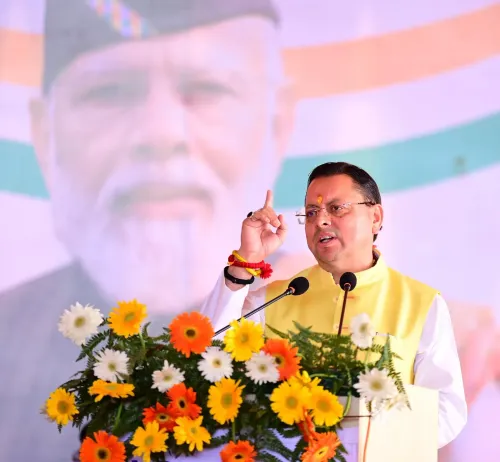
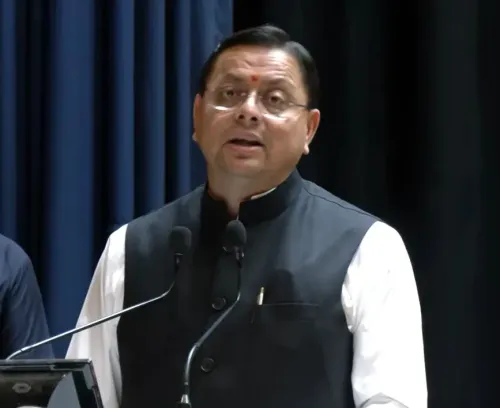
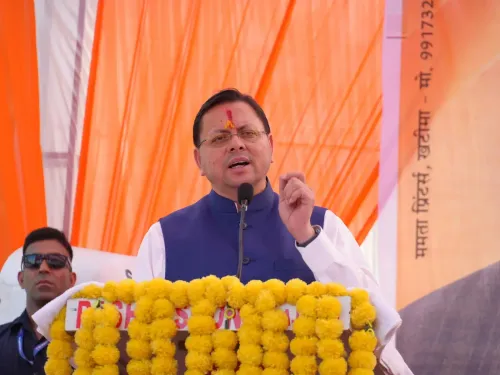
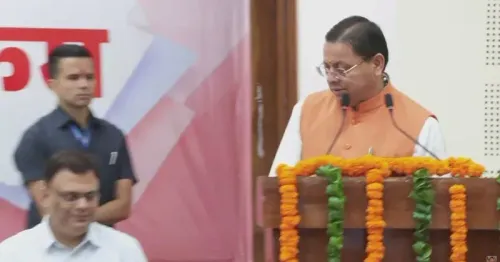
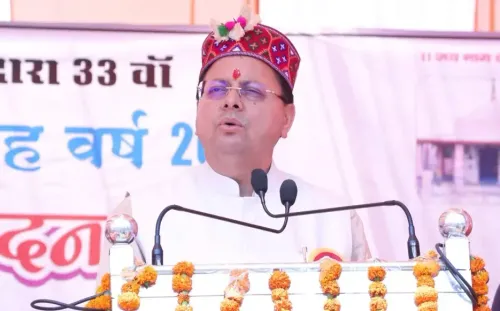
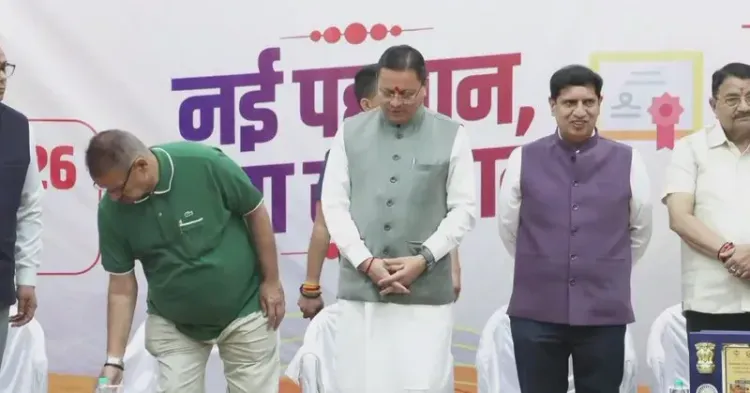
Uttarakhand Chief Minister Pushkar Singh Dhami presided over a minority educational institution recognition certificate distribution programme held in Dehradun on Wednesday, 1 July 2026. The event brought together administrators of minority-run schools and madrasas to receive formal accreditation certificates from the state government.
Context
Chief Minister Dhami shared a live broadcast of the ceremony on social media, captioning it: 'LIVE: देहरादून में आयोजित अल्पसंख्यक शिक्षा संस्थान मान्यता प्रमाण पत्र वितरण कार्यक्रम' — translated as 'LIVE: Minority educational institution recognition certificate distribution programme organised in Dehradun.' The event signals the state government's active role in bringing minority institutions under formal regulatory oversight.
Formal recognition enables minority schools and madrasas to access central government grants, align with national curriculum standards, and comply with statutory requirements under Indian education law.
Policy Backdrop
The legal framework for minority institution recognition rests on Article 30 of the Indian Constitution, which guarantees religious and linguistic minorities the right to establish and administer educational institutions of their choice. The National Commission for Minority Educational Institutions Act, 2004 created a statutory body to safeguard these rights and process recognition applications.
The Scheme for Providing Quality Education in Madrasas (SPQEM), introduced in 2006 under the Ministry of Minority Affairs, further supported modernisation and formal recognition of minority-run institutions by funding science, mathematics, and language instruction alongside traditional curricula. Uttarakhand's certificate distribution drive reflects the long-standing central-state coordination framework under these provisions.
Stakeholders and Impact
The primary beneficiaries of formal recognition are minority students enrolled in these institutions, who gain access to a wider range of academic pathways and government scholarships once their schools carry accreditation. Madrasa administrators and school managements also benefit from regulatory clarity, enabling them to seek infrastructure funding and hire trained teachers under government norms.
Indian states periodically organise such recognition drives to bring minority institutions under formal oversight. Uttarakhand's programme positions the state as an active participant in this national effort, coordinating with the National Commission for Minority Educational Institutions to process and distribute certificates at scale.
What's Next
Observers will watch whether the newly recognised institutions in Uttarakhand see measurable improvements in enrolment, infrastructure, and learning outcomes in subsequent academic cycles. Any linkage between this recognition drive and the state's implementation of the National Education Policy 2020 — which emphasises mother-tongue instruction and holistic learning — will be a key indicator of how the programme translates into on-ground change.
The scale of certificates distributed and follow-up grant disbursements to recognised institutions will determine the programme's long-term impact on minority education access in the state.
Point of View
CM Dhami signals that the Uttarakhand government is not ceding this space to opposition narratives on minority welfare. The event also aligns with the Centre's push to bring unrecognised madrasas into the mainstream education fold, a process that carries both administrative and ideological dimensions. Whether the recognition translates into substantive resource flows to these institutions will be the real test of the programme's intent.
NationPress
1 Jul 2026
Frequently Asked Questions
What is the minority educational institution recognition certificate programme in Uttarakhand?
It is a state government initiative to formally accredit minority-run schools and madrasas in Uttarakhand, enabling them to receive central grants and comply with national education standards. The event on 1 July 2026 in Dehradun saw CM Dhami distribute these recognition certificates to eligible institutions.
Why is formal recognition important for minority schools and madrasas?
Formal recognition allows minority educational institutions to access government funding schemes, hire trained teachers under government norms, and offer students pathways to mainstream scholarships and examinations. Without recognition, these institutions operate outside the formal grant and oversight framework.
What is the National Commission for Minority Educational Institutions?
It is a statutory body established under the National Commission for Minority Educational Institutions Act, 2004, to safeguard the rights of minorities under Article 30 of the Constitution to establish and administer educational institutions and to process recognition applications.
What is the Scheme for Providing Quality Education in Madrasas (SPQEM)?
SPQEM is a central government scheme introduced in 2006 under the Ministry of Minority Affairs to support the modernisation of madrasas by funding instruction in science, mathematics, and languages alongside traditional curricula, and to facilitate their formal recognition.
How does this event connect to the National Education Policy 2020?
Recognised minority institutions in Uttarakhand may be expected to align with NEP 2020 goals such as mother-tongue-based instruction and holistic learning frameworks. Whether the state links this recognition drive to NEP implementation will be a key policy development to watch.