CM Dhami Backs Badri Cow Conservation, Gau Gram Sevak Yojana
Synopsis
Uttarakhand CM Pushkar Singh Dhami spotlighted the state's gaushaala expansion drive, Badri cow conservation push, and the community-focused Gau Gram Sevak Yojana operating through gram panchayats to strengthen indigenous livestock protection at the village level.
Key Takeaways
CM Pushkar Singh Dhami on September 24, 2026 highlighted Uttarakhand's ongoing gaushaala construction and strengthening programme.
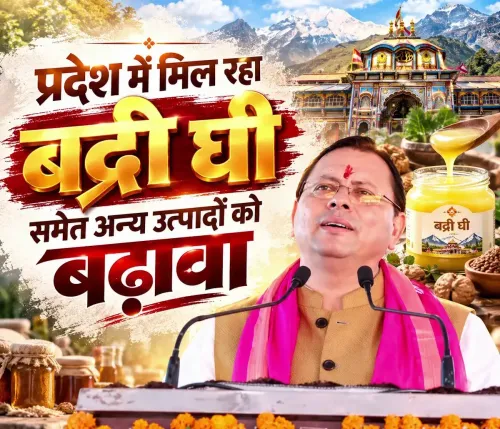
The state is actively promoting conservation and development of the Badri cow , an indigenous high-altitude breed of Uttarakhand.
The Gau Gram Sevak Yojana channels cow protection through gram panchayats , embedding it in village-level governance with community participation.
The initiative aligns with the central government's National Gokul Mission (launched 2014 ) for indigenous bovine breed conservation.
Panchayat-level rollout progress and budget allocations are expected to be scrutinised in upcoming state assembly sessions.
At the village level, a quiet but deliberate shift is underway in Uttarakhand — one that links local governance directly to livestock welfare and indigenous breed revival. Uttarakhand Chief Minister Pushkar Singh Dhami on Thursday, September 24, 2026, highlighted the state's dual push: building and strengthening gaushaalas (cow shelters) while accelerating the conservation and promotion of the Badri cow, an indigenous hill breed native to the Himalayan region.
In his post, CM Dhami stated: 'Construction and strengthening of cow shelters is being carried out alongside the promotion of conservation and development of the Badri cow. Additionally, cow protection is being made stronger through public participation via the Gau Gram Sevak Yojana at the gram panchayat level.'
What the Gau Gram Sevak Yojana Does
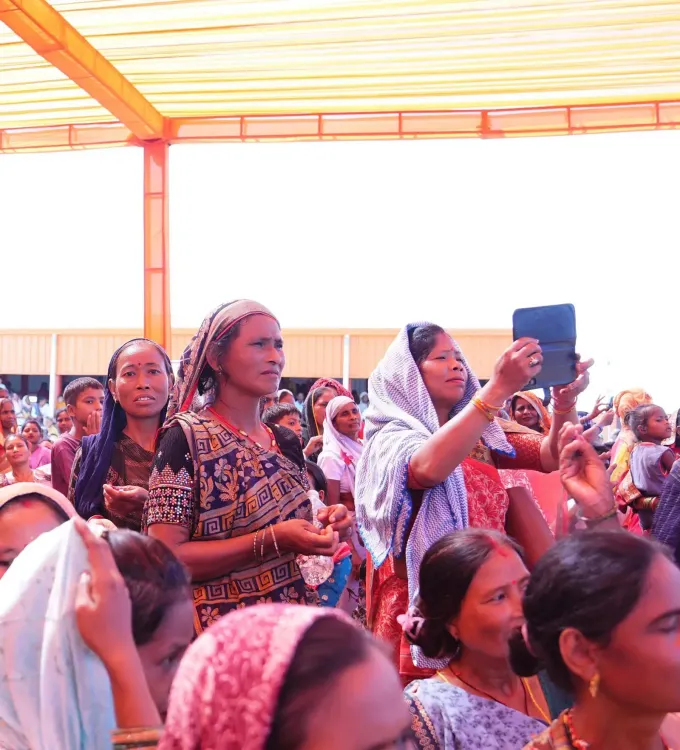
The Gau Gram Sevak Yojana operates at the gram panchayat level — India's most granular unit of elected local government — placing the responsibility and participation of cow protection directly in the hands of village communities. By routing the scheme through panchayats, the government embeds livestock welfare into the same institutional fabric that handles rural welfare, sanitation, and MGNREGS implementation. The aim is to make conservation a community habit, not a top-down directive.
This architecture mirrors a broader pattern in BJP-governed states: marrying cultural priorities around indigenous breeds with practical rural economy goals. Fewer stray cattle, functioning shelters, and preserved local breeds all carry direct value for livestock farmers in the hills, where the rugged Badri cow — adapted to high-altitude terrain — represents both a heritage asset and a source of livelihoods.
The Badri Cow: A Himalayan Breed at the Centre of the Push
The Badri cow is a small-framed, hardy indigenous breed found in the upper reaches of Uttarakhand's Garhwal and Kumaon divisions. Long used by hill farming communities, it had been losing ground to crossbred varieties in recent decades. State efforts to document, conserve, and promote the Badri cow sit within the larger national framework of the National Gokul Mission, launched in 2014 by the central government to conserve and develop indigenous bovine breeds across the country.
Uttarakhand's focus on gaushaala infrastructure alongside breed-specific conservation signals that the state is treating the two objectives — shelter capacity and genetic preservation — as inseparable. Whether panchayat-level implementation keeps pace with that ambition will become visible in upcoming state assembly sessions, where budget allocations and field-level reporting are expected to offer the clearest measure of progress.
For a state whose rural economy remains deeply tied to mountain agriculture, getting indigenous livestock policy right at the last mile is not ceremonial — it is foundational.
Point of View
Indigenous cow protection — through institutional channels like gram panchayats to achieve both political resonance and rural policy depth. By tying the Badri cow's revival to local self-governance, the government attempts to convert a symbolic commitment into a measurable, community-owned programme. The test is implementation: panchayat-level schemes in hilly terrain notoriously struggle with oversight and consistency. How the state tracks, funds, and reports gaushaala strength and Badri cow population numbers will determine whether this remains a statement of intent or becomes a replicable livestock-welfare model for other hill states.
NationPress
24 Sept 2026
Frequently Asked Questions
What is the Gau Gram Sevak Yojana in Uttarakhand?
The Gau Gram Sevak Yojana is a state scheme that operates at the gram panchayat level in Uttarakhand to strengthen cow protection through community participation, embedding livestock welfare into village-level governance structures.
What is the Badri cow and why is it significant?
The Badri cow is a small, hardy indigenous breed native to the high-altitude regions of Uttarakhand's Garhwal and Kumaon divisions. It is valued for its adaptation to mountain terrain and its role in the livelihoods of hill farming communities.
What is the National Gokul Mission?
The National Gokul Mission is a central government programme launched in 2014 to conserve and develop indigenous bovine breeds across India, providing a national framework within which state efforts like Uttarakhand's Badri cow conservation sit.
What has CM Dhami said about cow shelters in Uttarakhand?
CM Pushkar Singh Dhami stated on September 24, 2026, that gaushaala construction and strengthening is ongoing in Uttarakhand, alongside efforts to conserve and promote the Badri cow and deepen community participation through the Gau Gram Sevak Yojana.
How does Uttarakhand plan to implement cow conservation at the village level?
Uttarakhand is routing cow conservation through gram panchayats via the Gau Gram Sevak Yojana, making village-level elected institutions the primary vehicle for public participation in indigenous livestock protection.