CM Dhami: Gurukul to Bridge Ancient Wisdom and Modern Education
Synopsis
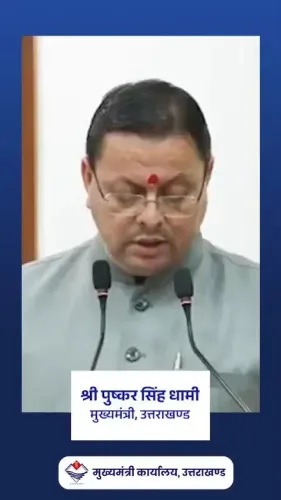
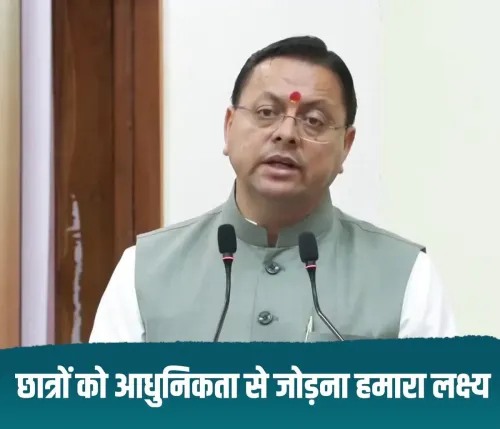
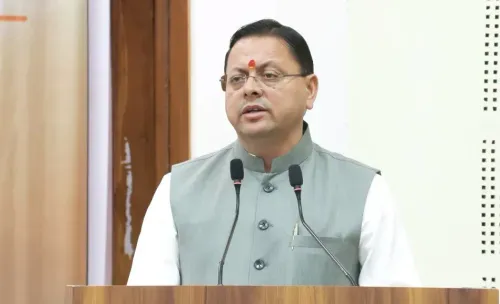
Uttarakhand CM Pushkar Singh Dhami has declared that the gurukul system will serve as a bridge between India's ancient knowledge tradition and contemporary education, aligning with the National Education Policy 2020's mandate to integrate Indian Knowledge Systems into formal schooling.
Key Takeaways
CM Pushkar Singh Dhami announced on September 24, 2026 that the gurukul model will harmonise Indian knowledge tradition with modern education in Uttarakhand.
The initiative aligns with the National Education Policy 2020 , which mandates inclusion of Indian Knowledge Systems in formal curricula.
Uttarakhand has a long history of ashram-based learning centres predating modern schooling, giving the state a natural foundation for this model.
Key stakeholders include students across Uttarakhand and traditional scholars whose knowledge lineage has largely been outside formal school systems.
Specific campus locations, launch dates, and budget allocations are yet to be formally announced by the state education department.
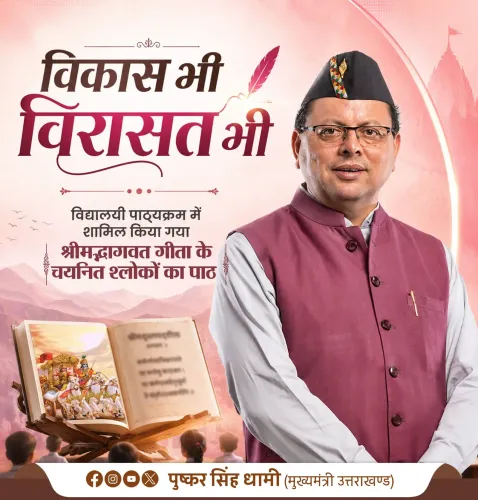
Ancient India's oldest classroom is getting a twenty-first-century upgrade — and Uttarakhand Chief Minister Pushkar Singh Dhami wants his state to lead the way. On Thursday, September 24, 2026, the Chief Minister's Office of Uttarakhand announced that the gurukul model would be developed as a vehicle to harmonise Bharatiya Gyan Parampara (Indian knowledge tradition) with contemporary education.
The Gurukul Idea CM Dhami Is Betting On
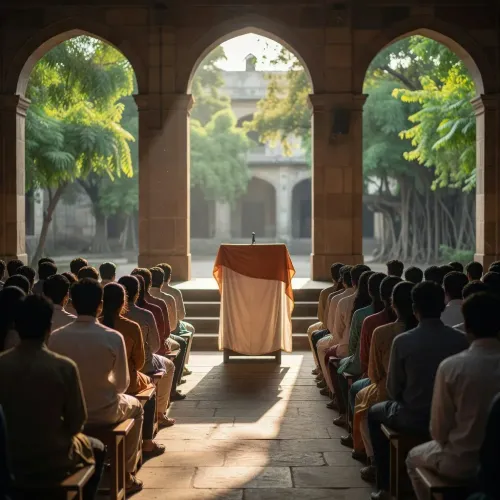
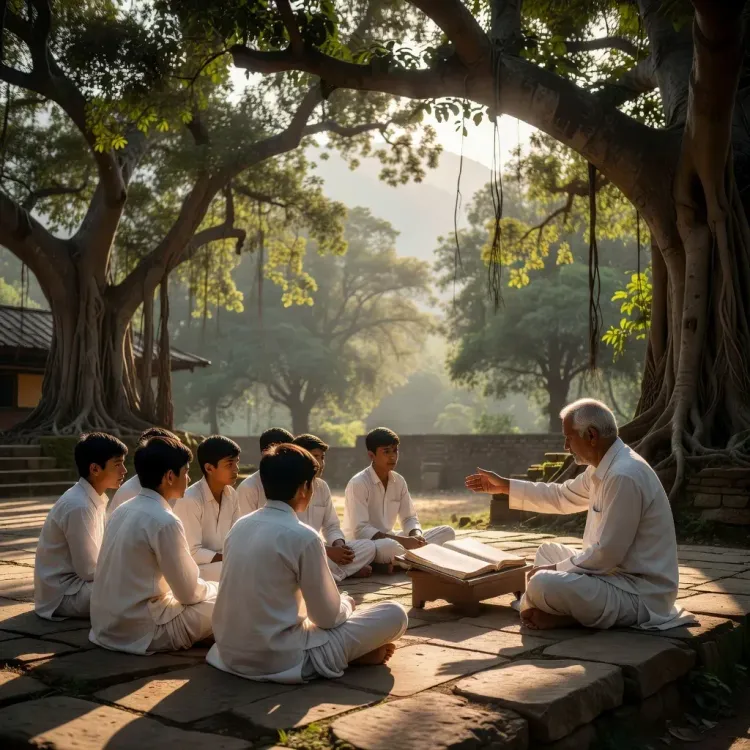
The post's headline declaration — 'Gurukul karega Bharatiya Gyan Parampara va aadhunik shiksha ka samanvay' ('The gurukul will bring about coordination between Indian knowledge tradition and modern education') — is direct and deliberate. It frames the gurukul not as a museum piece but as a live synthesis: ancient residential learning culture merged with modern curricula. Uttarakhand, a state whose valleys have housed ashram-based centres of learning for centuries, is a natural staging ground for exactly this experiment.
NEP 2020 as the National Scaffolding
This is not a stand-alone state idea floating in isolation. The National Education Policy 2020 explicitly mandates the inclusion of Indian Knowledge Systems (IKS) — drawing from Vedic, yogic, Ayurvedic, and classical traditions — into formal education at every level. CM Dhami's gurukul push is, in effect, Uttarakhand translating that national directive into a locally rooted institution. The Himalayan state carries particular credibility here: it has long been home to traditional learning centres that predate the British colonial school system by generations.
What This Means for Students and Educators
For students in Uttarakhand, the gurukul model — if implemented at scale — would mean exposure to classical texts, traditional sciences, and residential discipline alongside standard board-level academic content. For traditional scholars and educators in the region, it represents formal institutional recognition of a knowledge lineage that modern schools have largely bypassed. The broader question is one of design: how do you sequence Sanskrit grammar and Vedic mathematics alongside chemistry labs and coding classes without shortchanging either?
What the Rollout Could Look Like
Specific project details, new campus locations, and launch timelines remain to be formally announced. Observers will be watching Uttarakhand's education department notifications and upcoming assembly session budget discussions for concrete allocations. The direction, however, is now publicly committed — and in a state where CM Dhami has consistently framed cultural continuity as a development pillar, that commitment carries political as well as policy weight.
India's oldest classroom may be about to sit its most consequential examination yet.
Point of View
It could become a reference point for other Himalayan and temple-circuit states considering similar moves.
NationPress
24 Sept 2026
Frequently Asked Questions
What did CM Dhami say about gurukul education in Uttarakhand?
CM Pushkar Singh Dhami stated that the gurukul model will serve as a bridge to harmonise India's ancient knowledge tradition with modern education, aligning the state with the goals of the National Education Policy 2020.
What is the gurukul system and how does it differ from modern schools?
The gurukul is a traditional Indian residential schooling model rooted in Vedic-era practices, emphasising classical texts, teacher-student relationships, and holistic learning — as distinct from the subject-compartmentalised structure of the modern school system.
How does NEP 2020 relate to the gurukul initiative in Uttarakhand?
The National Education Policy 2020 explicitly mandates the inclusion of Indian Knowledge Systems — drawing from Vedic, Ayurvedic, yogic, and classical traditions — into formal education, providing the national policy scaffolding for Uttarakhand's gurukul push.
When will new gurukul campuses open in Uttarakhand?
Specific launch dates and campus locations have not yet been officially announced; details are expected through Uttarakhand's education department notifications or upcoming state assembly session budget discussions.
Why is Uttarakhand considered a natural fit for gurukul-style education?
Uttarakhand has historically hosted ashram-based learning centres rooted in Vedic and yogic traditions that predate the modern school system, giving the state deep cultural and institutional continuity with the gurukul model.