CM Dhami backs Modi govt's anti-drug push for youth
Synopsis
Uttarakhand CM Pushkar Singh Dhami praised the Modi government's wide-ranging anti-drug drive on 26 September 2026, spotlighting enforcement against trafficking alongside youth-focused awareness, treatment, and rehabilitation under the Nasha Mukt Bharat Abhiyan framework.
Key Takeaways
Uttarakhand CM Pushkar Singh Dhami publicly backed the central government's anti-drug campaign on 26 September 2026 .
He credited Prime Minister Narendra Modi's leadership for driving a comprehensive strategy that combines trafficking crackdowns with youth welfare measures.
The Nasha Mukt Bharat Abhiyan , launched in August 2020 , is the national policy backbone — targeting prevention, de-addiction, and rehabilitation.
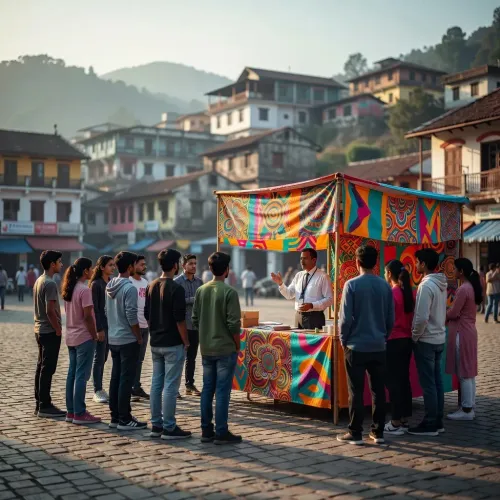
The campaign prioritises Indian youth through awareness drives, counselling, and district-level de-addiction centres.
Uttarakhand, as a border state on Himalayan trafficking routes, has a particular stake in the dual enforcement-plus-public-health approach.
Upcoming watchpoints include district-level rehabilitation centre rollouts and potential updates to the NDPS Act .
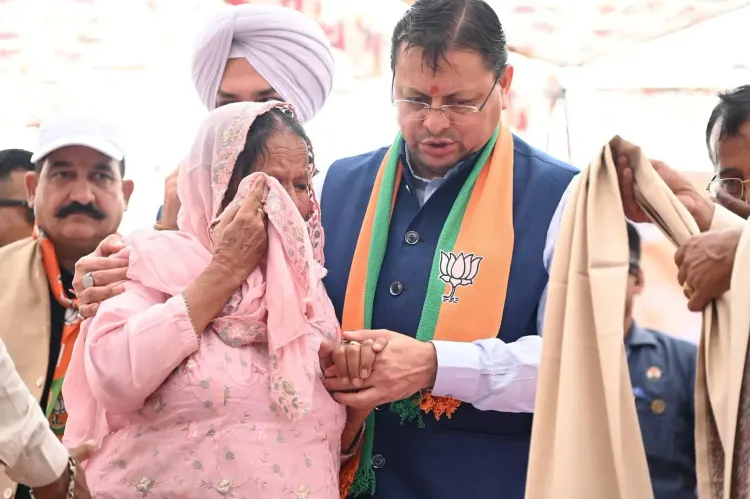
Uttarakhand Chief Minister Pushkar Singh Dhami has thrown his weight behind the central government's sweeping campaign against narcotics, highlighting the twin-track approach of cracking down on drug trafficking while simultaneously steering young Indians toward awareness, treatment, and rehabilitation.
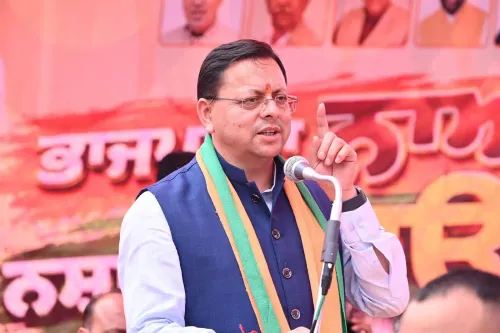
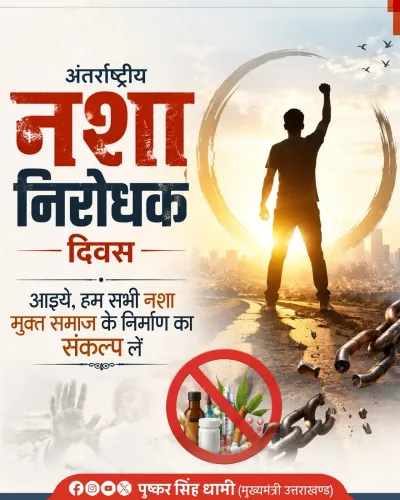
Posting on Saturday, 26 September 2026, Dhami wrote in Hindi: 'दूसरी ओर, आदरणीय प्रधानमंत्री श्री Narendra Modi जी के कुशल नेतृत्व में केंद्र सरकार नशे के खिलाफ व्यापक अभियान चला रही है' — 'On the other side, under the able leadership of respected Prime Minister Narendra Modi, the central government is running a comprehensive campaign against drugs.' He added that alongside action on drug trafficking, special emphasis is being placed on keeping youth away from substance abuse through awareness, treatment, and rehabilitation.
Nasha Mukt Bharat Abhiyan: the national backbone
The campaign Dhami is amplifying has a defined policy spine. The Nasha Mukt Bharat Abhiyan — translated as the Drug-Free India Campaign — was launched in August 2020 by the Ministry of Social Justice and Empowerment. It was designed from the outset as a dual-engine effort: hard enforcement against narcotics networks on one track, and community-level prevention, de-addiction centres, and counselling on the other.
The scheme targets Indian youth as the primary beneficiary group, recognising that early intervention — in schools, colleges, and vulnerable communities — is the most effective long-term deterrent. States were expected to align their own messaging and infrastructure with the national framework, and Uttarakhand's leadership has consistently echoed those priorities.
Enforcement meets public health: why the dual approach matters
The architecture of India's anti-drug strategy reflects a global shift in thinking — from treating addiction purely as a law-and-order problem to addressing it as a public health crisis. Narcotics enforcement agencies continue to dismantle trafficking networks under the Narcotic Drugs and Psychotropic Substances Act, while the rehabilitation side of the equation builds de-addiction infrastructure at the district level.
Dhami's post underscores that the two arms are designed to work in tandem: seizures and arrests reduce supply, while awareness campaigns and treatment centres reduce demand. For a border state like Uttarakhand — with its proximity to trafficking routes through the Himalayan region — the stakes of that balance are particularly acute.
Uttarakhand's alignment with New Delhi's drug-free push
Dhami's remarks are consistent with a pattern of Uttarakhand's state government reinforcing central government messaging on social campaigns, particularly those targeting youth welfare. By publicly crediting Prime Minister Narendra Modi's leadership, the Chief Minister also signals that anti-drug work is a shared political and administrative priority rather than a standalone state initiative.
The coming months will test how robustly that commitment translates on the ground — with watchers tracking the rollout of rehabilitation centres at the district level and any legislative updates to the NDPS Act that could sharpen enforcement tools.
For India's young people caught in the crossfire of an expanding narcotics crisis, the question is not whether the policy exists — it does, with teeth and funding — but whether the de-addiction infrastructure can keep pace with the scale of the problem.
Point of View
Making 2026 a natural moment to audit outcomes against its ambitious targets. Uttarakhand's geographic vulnerability as a border state gives the Chief Minister genuine ground-level urgency to reinforce New Delhi's messaging. The emphasis on rehabilitation alongside enforcement also reflects a broader, globally-aligned shift in India's drug policy discourse — one that could gain legislative momentum if NDPS Act reforms move forward.
NationPress
26 Sept 2026
Frequently Asked Questions
What is the Nasha Mukt Bharat Abhiyan?
The Nasha Mukt Bharat Abhiyan is a national campaign launched in August 2020 by India's Ministry of Social Justice and Empowerment to combat drug abuse through awareness drives, treatment programmes, and rehabilitation centres, with a particular focus on protecting Indian youth.
What did Uttarakhand CM Dhami say about the Modi government's anti-drug campaign?
CM Pushkar Singh Dhami stated that under PM Modi's leadership, the central government is running a comprehensive anti-drug campaign that combines action against drug trafficking with special emphasis on keeping youth away from substance abuse through awareness, treatment, and rehabilitation.
How does India's anti-drug policy balance enforcement and rehabilitation?
India's approach under frameworks like the Nasha Mukt Bharat Abhiyan integrates narcotics enforcement — seizures and arrests under the NDPS Act — with public health measures including de-addiction centres, counselling, and community awareness to address both supply and demand.
Why is Uttarakhand particularly focused on anti-drug efforts?
Uttarakhand shares a border with Nepal and is situated near Himalayan trafficking routes, making it especially vulnerable to drug smuggling. State leaders have consistently aligned with central government anti-drug messaging given this geographic exposure.
What are the next steps to watch in India's anti-drug push?
Key developments to monitor include the rollout of rehabilitation and de-addiction centres at the district level across states and any parliamentary movement on amendments to the Narcotic Drugs and Psychotropic Substances Act to sharpen enforcement tools.