CM Dhami backs Modi's call for youth dialogue over punishment
Synopsis
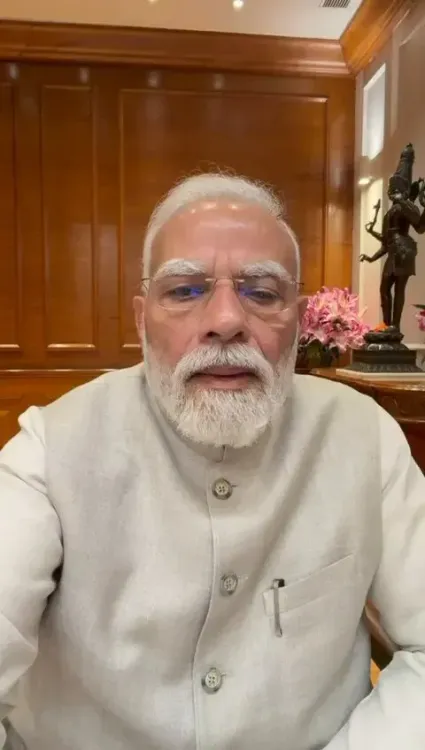
Uttarakhand CM Pushkar Singh Dhami on August 1, 2026 publicly endorsed PM Modi's preference for dialogue and reform over punishment in a youth-related incident, framing it as an expression of Indian cultural values and a pillar of the Viksit Bharat mission.
Key Takeaways
CM Pushkar Singh Dhami posted on August 1, 2026 endorsing PM Narendra Modi 's response to misconduct by some individuals.
Dhami described Modi's message as a living example of Indian values of forgiveness, compassion, and harmony .
The PM chose dialogue, trust, and reform over punitive action, according to Dhami's characterisation.
Dhami linked the moment directly to the Viksit Bharat vision — Modi's framework for a developed India by 2047 .
The post fits a consistent BJP pattern of state leaders amplifying Centre-led cultural and youth-engagement messaging.
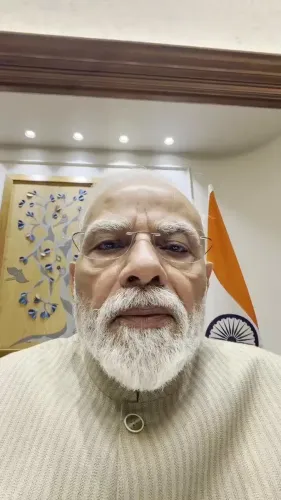
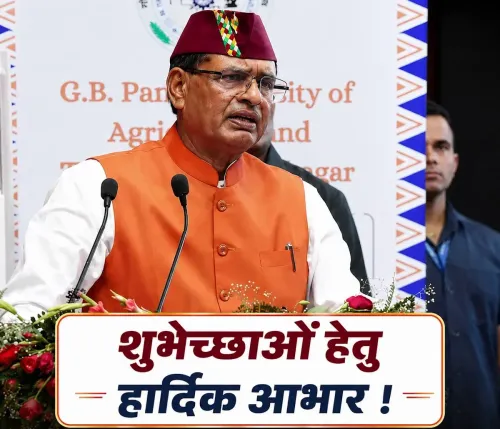
When a moment of discord meets a message of grace, it can define a political era. Uttarakhand Chief Minister Pushkar Singh Dhami on Saturday, August 1, 2026, publicly endorsed Prime Minister Narendra Modi's response to an incident involving the misconduct of some individuals — praising the PM's choice of dialogue, trust, and reform over punitive action, and calling on Indians to channel youth energy into nation-building.
Modi's message of forgiveness that Dhami is amplifying
Dhami's post, written in Hindi, describes Modi's message as a 'jeevant udaharan' ('living example') of Indian cultural values — specifically kshama, samvedna aur samarasata (forgiveness, compassion, and harmony). He noted that despite the 'rude behaviour of some misguided people,' the Prime Minister chose not punishment but 'the path of dialogue, trust, and reform.' The specific incident Modi responded to has not been officially identified, but the framing is unmistakable: a leader absorbing provocation and returning it with engagement rather than force.
Dhami closed with a call to action — 'Aaiye, hum sab milkar yuvaon ki urja ka sadupyog rashtra nirman mein karne ka sankalp lein' ('Come, let us all resolve together to make good use of youth energy in nation-building') — tying the moment directly to the Viksit Bharat vision.
Viksit Bharat and the politics of youth energy
Viksit Bharat — Modi's flagship national framework to make India a fully developed economy by 2047 — has consistently placed youth at its centre. First articulated from 2022 onward through Independence Day addresses and policy rollouts, the initiative frames India's demographic dividend not just as an economic asset but as a moral and civilisational one. Dhami's post slots neatly into that architecture: the PM's cultural values are the foundation; youth energy is the fuel; Viksit Bharat is the destination.
This is also a recognisable pattern within the BJP's communication playbook. When youth-related friction or protest surfaces, senior leaders — particularly chief ministers — publicly echo the Centre's preference for inclusion and dialogue, reinforcing a unified message that positions the party as a guide rather than an adversary to the young.
Dhami's role as a cultural-alignment voice for the Centre
As Uttarakhand's chief minister, Dhami has consistently been among the more vocal BJP state leaders in aligning with central government cultural and developmental themes. His endorsement here is less about Uttarakhand-specific policy and more about amplifying a national moment — lending state-level weight to a message the Centre wants widely circulated. That coordination, quiet but deliberate, is itself a signal of how the BJP manages its multi-tier messaging operation.
India's youth — the largest such cohort in the world — remains the most consequential political audience of the decade. How leaders frame their relationship with that audience, especially in moments of tension, will matter far beyond any single post.
Point of View
The framing subtly positions Modi as a statesman above political friction rather than a combatant within it. The move is low-risk and high-reward — it reinforces party unity, burnishes Modi's image, and ties youth-related tension to a forward-looking development narrative. Watch whether Uttarakhand follows up with state-level youth engagement events that operationalise this rhetoric.
NationPress
1 Aug 2026
Frequently Asked Questions
What did CM Pushkar Singh Dhami say about PM Modi's message?
Dhami called Modi's message a living example of Indian cultural values — forgiveness, compassion, and harmony — and praised the PM for choosing dialogue and reform over punishment in response to misconduct by some individuals.
What is the Viksit Bharat initiative that Dhami referenced?
Viksit Bharat is PM Modi's national vision to make India a fully developed country by 2047, with youth energy and participation at its core. Modi has articulated this framework since 2022 through Independence Day addresses and policy rollouts.
What incident was Dhami referring to in his post?
Dhami referred to 'rude behaviour by some misguided people' that PM Modi responded to with dialogue rather than punishment. The specific incident has not been officially identified in public records available at the time of this report.
Why does CM Dhami frequently endorse PM Modi's cultural messages?
As a BJP chief minister, Dhami consistently aligns state messaging with central government themes on culture and development — a deliberate coordination strategy that reinforces unified party communication across national and state levels.
What does 'kshama, samvedna aur samarasata' mean in Dhami's post?
The Hindi phrase translates to 'forgiveness, compassion, and harmony' — the three Indian cultural values Dhami cited as exemplified by Modi's measured response to the incident.