CM Dhami: Women Must Have Continuous Role in Every Sector
Synopsis
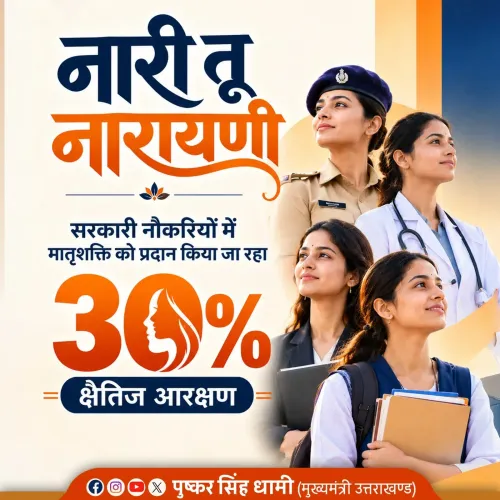
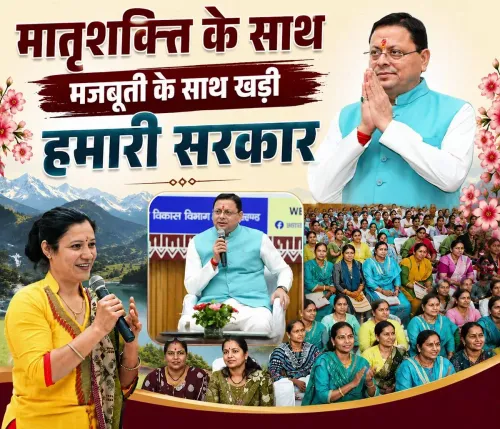
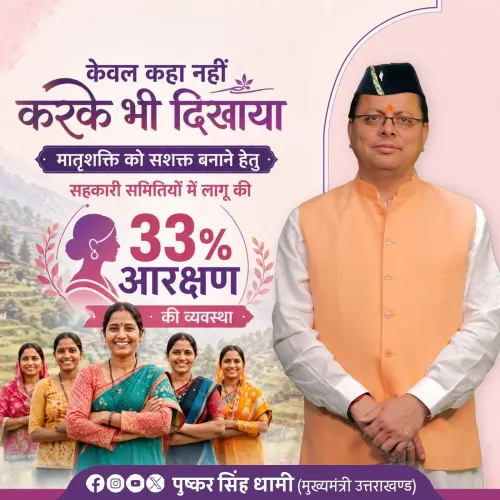
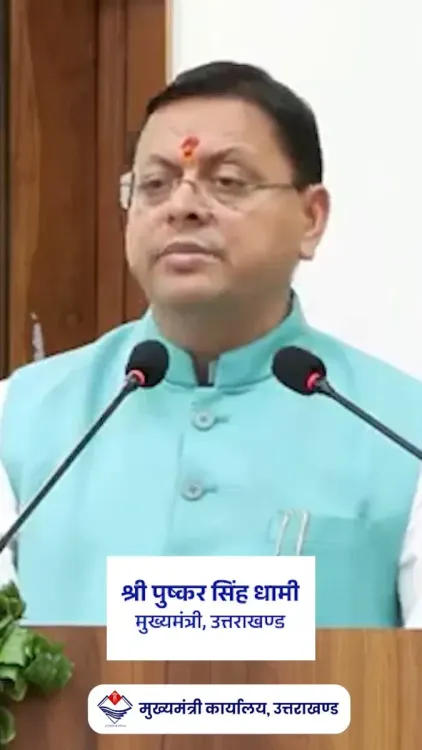
Chief Minister Pushkar Singh Dhami of Uttarakhand has reaffirmed that the state government's endeavour is to ensure women receive continuous participation in every sector, signalling a sustained policy focus on gender inclusion across education, employment, and governance.
Key Takeaways
CM Pushkar Singh Dhami stated on 23 July 2026 that the Uttarakhand government's endeavour is to ensure women's 'continuous participation in every sector.' The statement aligns with the national Beti Bachao Beti Padhao scheme launched in 2015 to promote girls' education and social participation.
The Nari Shakti Vandan Adhiniyam (2023) reserves one-third of seats for women in the Lok Sabha and state assemblies, providing a legislative foundation for such commitments.
Uttarakhand's gender policy approach is aligned with SDG 5 on gender equality and draws on state-level self-help group and skill development networks.
Concrete follow-through — via budget allocations or new scheme rollouts — will be the key measure of this stated commitment.
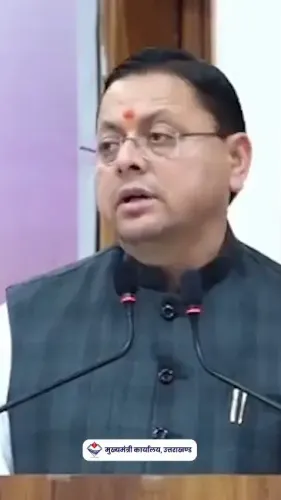
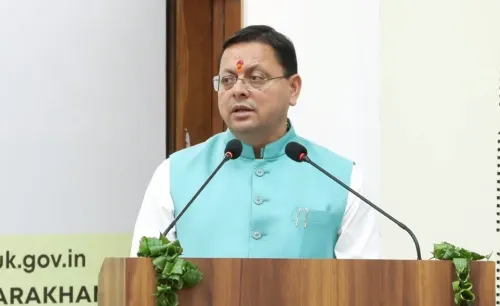
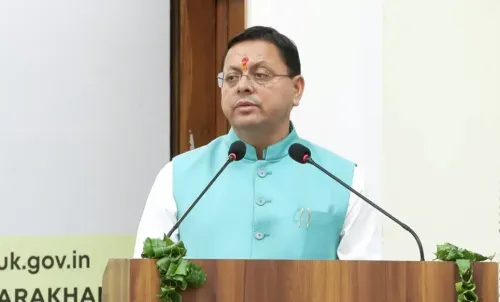
The Chief Minister's Office of Uttarakhand, on behalf of Chief Minister Pushkar Singh Dhami, shared a statement on Thursday, 23 July 2026, reaffirming the state government's commitment to ensuring women's sustained participation across all sectors of public life.
Quoting the Chief Minister directly, the post stated: 'हमारा प्रयास है कि प्रत्येक क्षेत्र में महिलाओं को निरंतर भागीदारी मिले' — 'Our endeavour is that women receive continuous participation in every sector.'
Context
CM Dhami has consistently positioned women's empowerment as a pillar of the Uttarakhand government's development agenda since assuming office in 2021. The statement underscores a commitment that goes beyond symbolic gestures, calling for structural and ongoing inclusion of women in education, employment, and governance. The phrasing — 'every sector' and 'continuous participation' — signals an intent to embed gender equity across policy domains rather than limit it to standalone programmes.
Policy Backdrop
The statement aligns with a broader national policy architecture built over the past decade. The Beti Bachao Beti Padhao scheme, launched in 2015, sought to address skewed child sex ratios and expand access to girls' education and social participation. More recently, the Nari Shakti Vandan Adhiniyam, passed by Parliament in 2023, mandated reservation of one-third of seats for women in the Lok Sabha and state legislative assemblies, marking a legislative turning point in women's political representation.
Uttarakhand's articulation of women's participation fits within India's commitments under Sustainable Development Goal 5 on gender equality. State-level self-help group networks and skill development programmes have served as ground-level vehicles for translating such policy intent into measurable outcomes across the hill state's dispersed geography.
Stakeholders and Impact
The primary beneficiaries of this stated commitment are Uttarakhand's women — spanning rural and urban constituencies, from agricultural workers and self-help group members to aspirants in government service and elected bodies. Women's groups and civil society organisations in the state have long advocated for policies that move beyond welfare transfers toward genuine agency and decision-making roles.
For the BJP-led state government, consistent messaging on women's empowerment also carries political salience, as women voters have emerged as a decisive demographic in successive state elections. Translating rhetorical commitment into programme delivery remains the benchmark by which such statements are ultimately judged.
What's Next
Observers will watch for concrete follow-through in the form of scheme announcements, budget allocations, or legislative measures in upcoming Uttarakhand assembly sessions. Any rollout of state-specific women-focused initiatives — whether in skill development, entrepreneurship, or local governance — will be the clearest indicator of how this stated endeavour is operationalised on the ground.
Point of View
Implying systemic integration rather than targeted welfare — a framing that raises the bar for measurable delivery. Against the backdrop of the Nari Shakti Vandan Adhiniyam and national SDG commitments, Uttarakhand's messaging positions the state as aligned with the Centre's gender equity narrative. The real test will come in the next budget cycle and assembly session, where allocations and legislation will reveal whether the rhetoric translates into structural change.
NationPress
22 Oct 2026
Frequently Asked Questions
What did CM Pushkar Singh Dhami say about women's empowerment?
CM Dhami stated that the Uttarakhand government's endeavour is to ensure women receive continuous participation in every sector of public life.
What is the Nari Shakti Vandan Adhiniyam?
The Nari Shakti Vandan Adhiniyam is a law passed by Parliament in 2023 that reserves one-third of seats for women in the Lok Sabha and state legislative assemblies.
What schemes support women's empowerment in Uttarakhand?
Uttarakhand's approach draws on national schemes like Beti Bachao Beti Padhao, as well as state-level self-help group networks and skill development programmes targeting women across rural and urban areas.
What is Beti Bachao Beti Padhao?
Beti Bachao Beti Padhao is a national scheme launched in 2015 aimed at improving the child sex ratio and promoting girls' education and social participation across India.
How does Uttarakhand's women's policy align with SDG 5?
Uttarakhand's gender inclusion agenda aligns with Sustainable Development Goal 5 on gender equality, focusing on expanding women's roles in education, employment, and governance.