CM Dhami Calls Farmers to Adopt Natural Farming Under Khet Bachao Abhiyan
Synopsis
Uttarakhand CM Pushkar Singh Dhami has called on farmers to embrace natural and balanced farming under the 'Khet Bachao Abhiyan', targeting soil fertility preservation and safe food production in the ecologically sensitive Himalayan state.
Key Takeaways
CM Pushkar Singh Dhami on 26 June 2026 issued a call to action under the 'Khet Bachao Abhiyan' urging farmers to adopt natural and balanced farming.
The campaign's stated goals are preserving soil fertility, protecting the health of agricultural land, and promoting safe food production.
Uttarakhand's hilly terrain makes it especially vulnerable to soil erosion and nutrient loss from chemical-intensive farming.
The initiative aligns with central schemes including the Soil Health Card Scheme and Paramparagat Krishi Vikas Yojana , both launched in 2015 .
Farmer uptake during the upcoming Kharif and Rabi seasons will be a key measure of the campaign's on-ground impact.
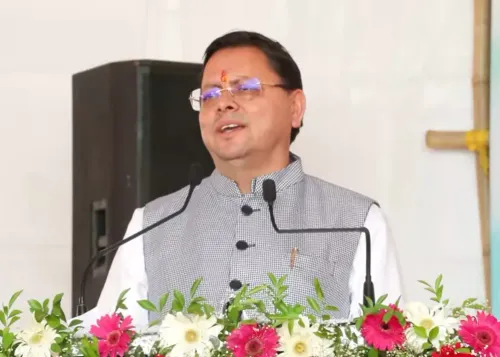
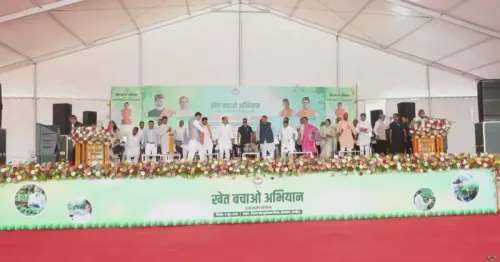
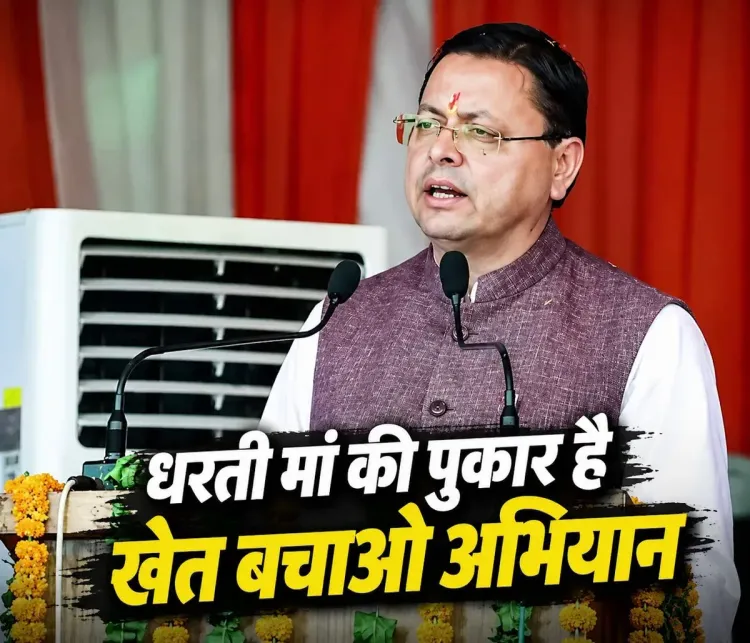
Uttarakhand Chief Minister Pushkar Singh Dhami on Friday, 26 June 2026, called upon farmers across the state to adopt natural and balanced farming practices under the 'Khet Bachao Abhiyan' (Save the Farm Campaign), aimed at preserving soil fertility, ensuring safe food production, and protecting the health of agricultural land.
Context
In his post, CM Dhami framed the campaign as a broad appeal to the farming community, stating that the initiative urges cultivators to move toward prakritik evam santulit kheti (natural and balanced farming) to keep dharti maa — Mother Earth — healthy. The message underscores the dual concern of maintaining long-term soil productivity while also guaranteeing that food reaching consumers is free from harmful chemical residues.
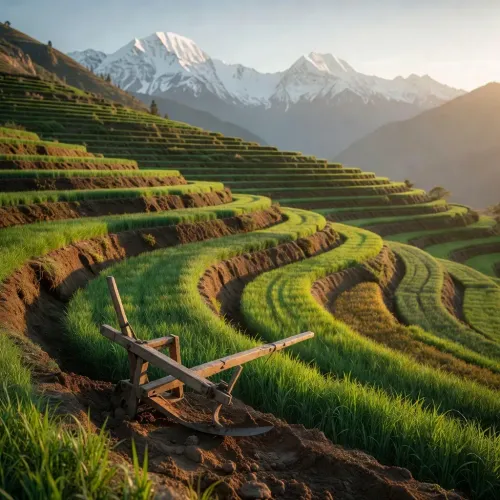
Uttarakhand's mountainous terrain makes its farmlands particularly vulnerable to soil erosion, nutrient depletion, and the cascading effects of excessive agrochemical use. Smallholder farmers in the state's hilly districts have historically faced challenges balancing productivity with ecological sustainability.
Policy Backdrop
The Khet Bachao Abhiyan aligns with a broader national shift in agricultural policy that has been gathering pace since the mid-2010s. The central government's Soil Health Card Scheme, launched in 2015, provides farmers with detailed soil nutrient status reports, enabling informed decisions on fertiliser use and reducing indiscriminate chemical application.
Simultaneously, the Paramparagat Krishi Vikas Yojana, also introduced in 2015, has promoted cluster-based organic farming across India, including in Uttarakhand, by offering financial and technical support for chemical-free cultivation. The state has been a consistent participant in these centrally sponsored schemes, given its ecologically fragile Himalayan geography and the national emphasis on preserving biodiversity in such regions.
India's National Mission for Sustainable Agriculture has further articulated long-term goals around climate-resilient farming, soil health, and reduced dependence on synthetic inputs — objectives that state-level campaigns such as this one are designed to advance at the grassroots level.
Stakeholders and Impact
The primary beneficiaries of the Khet Bachao Abhiyan are Uttarakhand's smallholder and marginal farmers, many of whom operate on terraced hillside plots where soil degradation can rapidly render land unproductive. A shift toward natural and balanced farming could reduce their input costs over time while also improving the quality and market value of produce — particularly relevant as consumer demand for organic and chemical-free food grows in urban markets.
Beyond individual farmers, the campaign carries implications for the state's water systems and biodiversity. Reduced chemical runoff from agricultural land protects rivers and groundwater sources that millions of people in the broader Gangetic plains depend upon. Environmental groups and agri-extension workers are among the non-farmer stakeholders with a direct interest in the campaign's reach and effectiveness.
What's Next
The practical impact of the Khet Bachao Abhiyan will be measured by farmer uptake during the upcoming Kharif and Rabi sowing seasons. Key indicators to watch include the number of farmers who register for or receive guidance under the campaign, integration of the initiative with existing centrally sponsored schemes, and any state budget allocations directed toward natural farming support infrastructure such as bio-input resource centres and training programmes. How the Dhami government translates this public appeal into on-ground implementation will determine whether the campaign becomes a durable policy intervention or remains an awareness drive.
Point of View
Particularly in ecologically sensitive states. The appeal to natural farming carries both policy and political weight: it positions the state government as a steward of the Himalayas while tapping into growing rural and urban anxieties about food safety and soil degradation. However, the gap between awareness campaigns and measurable farmer behaviour change has been a persistent challenge across Indian states, and the absence of specific targets or budgetary commitments in the public communication leaves the initiative's depth open to scrutiny. Whether this translates into a structured programme integrated with existing central schemes, or remains a rhetorical gesture, will define its legacy within Uttarakhand's agricultural policy record.
NationPress
26 Jun 2026
Frequently Asked Questions
What is the Khet Bachao Abhiyan in Uttarakhand?
The 'Khet Bachao Abhiyan' is a campaign in Uttarakhand that urges farmers to adopt natural and balanced farming practices in order to preserve soil fertility, protect agricultural land, and promote safe food production. Chief Minister Pushkar Singh Dhami highlighted the initiative in a post on 26 June 2026.
Why is natural farming important for Uttarakhand farmers?
Uttarakhand's hilly and terraced farmlands are especially vulnerable to soil erosion and nutrient depletion caused by excessive use of chemical fertilisers and pesticides. Natural farming helps maintain long-term soil health, reduces input costs for smallholders, and protects the state's rivers and groundwater from chemical runoff.
What central government schemes support natural farming in Uttarakhand?
Two key central schemes are relevant: the Soil Health Card Scheme, launched in 2015, which gives farmers soil nutrient reports to guide balanced fertiliser use; and the Paramparagat Krishi Vikas Yojana, also from 2015, which funds cluster-based organic farming and has been implemented in Uttarakhand.
What did CM Pushkar Singh Dhami say about the Khet Bachao Abhiyan?
CM Dhami stated that under the Khet Bachao Abhiyan, farmers are being called upon to adopt natural and balanced farming to keep 'dharti maa' (Mother Earth) healthy, preserve soil fertility, and promote safe food production.
How will the success of the Khet Bachao Abhiyan be measured?
Key indicators will include farmer enrolment and participation rates during the Kharif and Rabi sowing seasons, integration with centrally sponsored schemes, and any dedicated state budget allocations for natural farming support infrastructure such as training and bio-input centres.