CM Dhami Cites Women's Support in Chamoli for BJP's Double Engine Govt
Synopsis
Uttarakhand CM Pushkar Singh Dhami visited Piplakoti in Chamoli district and cited an outpouring of women's support as proof of unbreakable faith in PM Modi's leadership and BJP's double engine governance model, signalling early momentum ahead of the 2027 state elections.
Key Takeaways
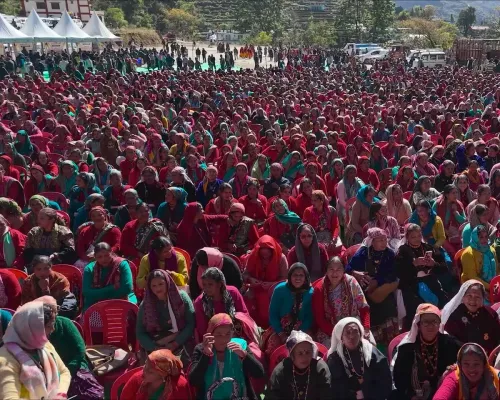
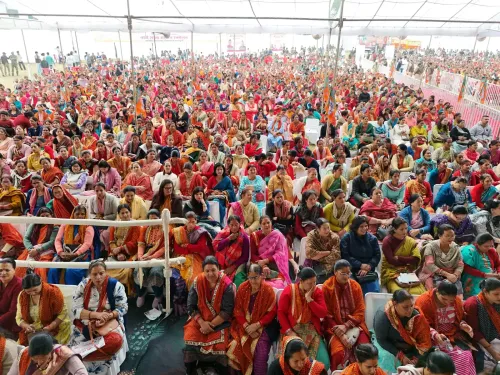
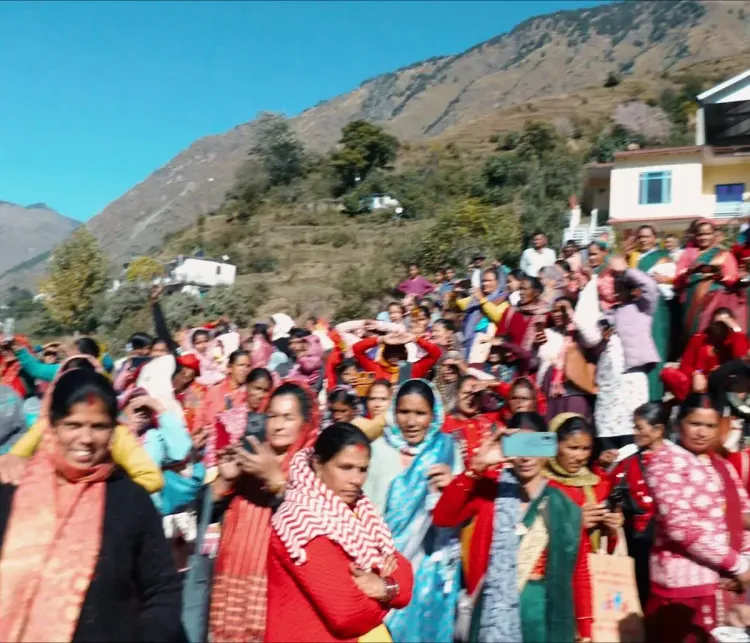
CM Pushkar Singh Dhami visited Piplakoti, Chamoli on 17 November 2026 and described a large gathering of women as a show of strong support for BJP governance.
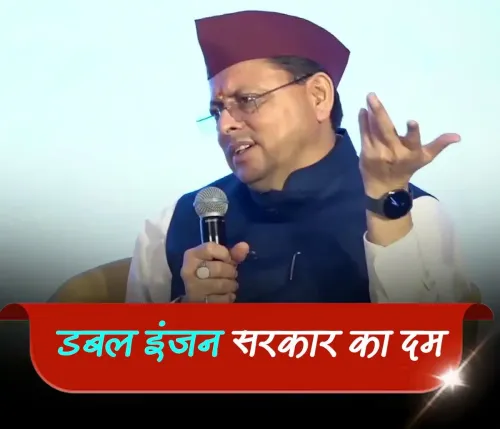
Dhami invoked the BJP's signature 'double engine government' narrative, linking state-level delivery to PM Narendra Modi 's central leadership.
Uttarakhand has been under BJP rule since 2017 , returning to power in the 2022 assembly elections on a development continuity platform.
The deliberate emphasis on matrishakti (women's collective strength) fits an established BJP pattern of using women's visible participation to signal grassroots legitimacy.
The next Uttarakhand assembly elections are due around 2027 , making outreach in Himalayan districts like Chamoli politically significant.
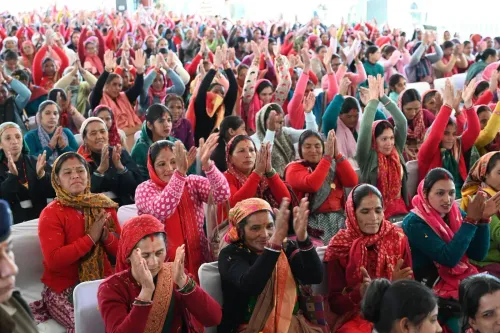
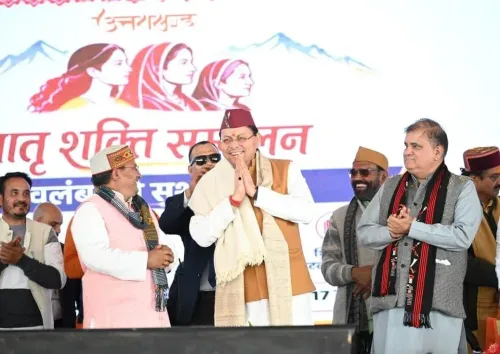
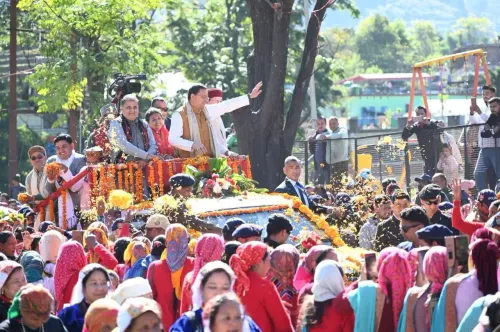
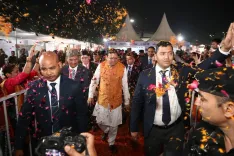
In the shadow of the Himalayas, a gathering of women in Piplakoti, Chamoli sent a political signal that Uttarakhand Chief Minister Pushkar Singh Dhami was quick to amplify — on Tuesday, 17 November 2026, Dhami took to X to describe the outpouring of support he witnessed as proof that the women of Devbhoomi stand firmly behind the BJP-led dispensation.
Dhami wrote that the matrishakti (women's collective strength) of Piplakoti showed 'immense affection, support and faith', and declared that this trust in Prime Minister Narendra Modi's leadership and the BJP's 'double engine government' was 'unbreakable'. He added that such enthusiasm symbolises the 'continuity of development and good governance in Uttarakhand'.
What the 'Double Engine' Framing Signals
The phrase 'double engine government' is a cornerstone of BJP messaging since 2014 — shorthand for the argument that a state and central government both run by BJP can accelerate development by pulling in the same direction, without political friction between Delhi and state capitals. Uttarakhand has been under BJP rule since 2017, and the party returned to power in the 2022 assembly elections on exactly this platform of continuity. By invoking it in Chamoli — a district in the high Himalayan interior, far from urban centres — Dhami is extending that narrative deep into the state's geographic and demographic base.Women as the Messenger in Devbhoomi Politics
The deliberate highlighting of matrishakti — women's participation and endorsement — is consistent with a broader BJP pattern across Hindi-belt states. Regional leaders routinely frame women's visible presence at gatherings as a verdict on welfare delivery, using it to signal grassroots legitimacy rather than elite or urban endorsement. In Uttarakhand, women constitute a significant share of the rural electorate and are primary beneficiaries of central schemes around housing, cooking gas, and financial inclusion. Dhami's framing positions their enthusiasm as a bottom-up endorsement of that policy pipeline.Eyes Already on 2027
With the next Uttarakhand assembly elections due around 2027, the political arithmetic of outreach in hill districts like Chamoli is already live. Posts of this kind — anchoring local momentum to the national leadership of PM Modi — serve as early narrative infrastructure for a re-election campaign that is still warming up. If the state follows through with new women-focused welfare measures in the coming months, today's rally optics could translate into a credible policy story. If the momentum stays rhetorical, Chamoli's enthusiasm will be one data point in a much longer argument. For now, the women of Piplakoti have handed CM Dhami exactly the image he needed — and he made sure the country saw it.Point of View
Deploy the 'double engine' frame to argue that alignment between Dehradun and Delhi is itself a governance dividend, and use women's participation as the proof of delivery rather than a policy metric. With 2027 elections approaching, the cadence of such outreach posts from hill districts will likely intensify, building a cumulative narrative of rural and female endorsement well before campaign season officially opens. The choice of Chamoli — a remote, ecologically sensitive district historically dependent on central funding for infrastructure — also quietly underscores the double engine argument on its own terms. Whether the optics translate into measurable welfare outcomes for Uttarakhand's women will be the real test of the storyline Dhami is constructing today.
NationPress
17 Nov 2026
Frequently Asked Questions
Why did CM Dhami visit Piplakoti in Chamoli?
CM Pushkar Singh Dhami visited Piplakoti in Chamoli district on 17 November 2026 for a public interaction where he witnessed a large gathering of women expressing support for the BJP government. He described the event as a demonstration of unbreakable faith in PM Modi's leadership and the double engine governance model.
What is the 'double engine government' the BJP talks about?
The 'double engine government' is a BJP political slogan used since 2014 to argue that having BJP in power both at the central government and in a state government allows faster, friction-free development. In Uttarakhand, the BJP has used this framing since 2017 when it first won the state.
What is matrishakti and why does Dhami reference it?
Matrishakti is a Hindi term meaning the collective strength or power of women. Dhami referenced it to highlight that women in Piplakoti, Chamoli showed enthusiastic support for BJP governance, framing their participation as a grassroots endorsement of development and welfare delivery in Uttarakhand.
When are the next Uttarakhand assembly elections?
The next Uttarakhand assembly elections are due around 2027. The BJP currently governs the state and has held power since 2017, winning re-election in the 2022 assembly polls on a platform of development continuity.
Why is Chamoli politically significant for Uttarakhand BJP?
Chamoli is a remote Himalayan district heavily dependent on central funding for infrastructure and welfare. Outreach in such interior districts helps BJP demonstrate that its governance reach extends beyond urban centres, and women's participation there carries particular weight as a signal of rural support ahead of the 2027 elections.