CM Dhami Flags Multi-Sector Push to Build Self-Reliant Uttarakhand
Synopsis
Uttarakhand CM Pushkar Singh Dhami on 9 November 2026 outlined a six-sector growth agenda — connectivity, health, education, tourism, employment and infrastructure — framing development as change felt by every citizen, not just reflected in statistics.
Key Takeaways
CM Pushkar Singh Dhami set out a six-domain development agenda for Uttarakhand on 9 November 2026 .
Priority sectors named: connectivity, health, education, tourism, employment, and self-employment , plus basic infrastructure.
Dhami credited PM Narendra Modi's 'visionary leadership' as the guiding force behind Uttarakhand's development direction.
The push aligns with the Centre's Atmanirbhar Bharat initiative launched in 2020 , which asks states to operationalise self-reliance goals.
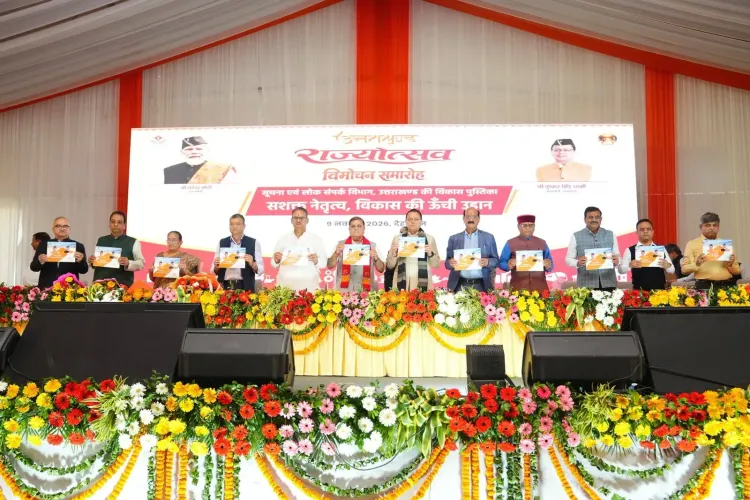
Rajya Sabha MP and BJP state president Mahendra Bhat , three cabinet ministers, an MLA, and a Mayor were present at the event.
State budget presentations and new scheme launches will be the next concrete test of Dhami's stated priorities.
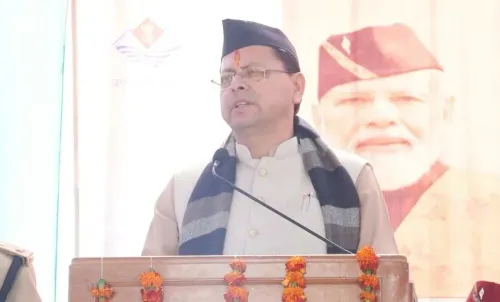
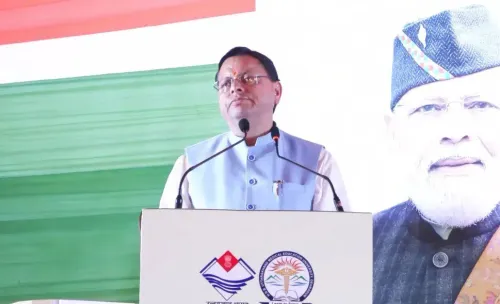
Development that reaches every citizen — not just charts and documents — is the benchmark Uttarakhand Chief Minister Pushkar Singh Dhami set on Monday, 9 November 2026, as he outlined his government's broad-front drive to transform the hill state into a self-reliant, prosperous economy.
Posting on X, CM Dhami credited Prime Minister Narendra Modi's guidance and 'visionary leadership' for giving Uttarakhand's development agenda its direction. In his words: 'Vikas keval aankdon aur dastaavezon tak seemit na rahe, balki pratyek naagrik ke jeevan mein sakaratmak badlaav ka madhyam bane' — 'Development should not remain confined to numbers and documents, but become the medium of positive change in every citizen's life.'
Six pillars Dhami placed at the centre of Uttarakhand's growth plan
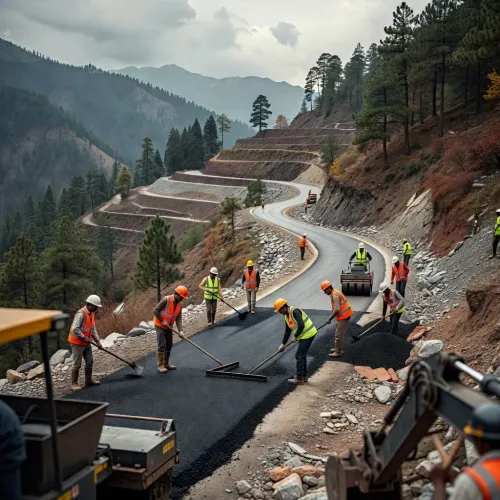
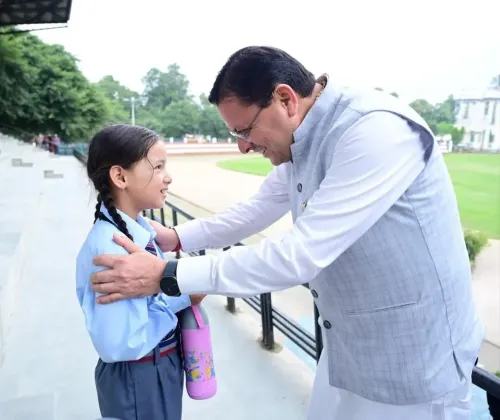
The Chief Minister named six priority domains driving the push: connectivity, health, education, tourism, employment, and self-employment — alongside the expansion of basic infrastructure. The framing is deliberate: Himalayan states face geography that makes each of these sectors a compounding challenge. Poor roads choke tourism; weak connectivity throttles healthcare access; limited local jobs push youth out of the hills.
The reference to self-employment and atmanirbharta (self-reliance) echoes the Atmanirbhar Bharat initiative launched by the Centre in 2020, which tasked state governments with translating national self-reliance goals into ground-level outcomes. Uttarakhand has also benefited from the Char Dham road connectivity project, a decade-long infrastructure effort that widened access to the state's high-altitude religious and tourist circuits.
Who was in the room: BJP leadership and cabinet voices
The post noted the presence of Rajya Sabha MP and BJP Uttarakhand president Mahendra Bhat, along with cabinet ministers Subodh Uniyal, Ganesh Joshi, and Khajan Dass. MLA Vinod Chamoli, Savita Kapoor, and Mayor Saurabh Thapliyal were also listed among the gathering. The assembly of state party brass, legislators, and civic leaders signals that the event was intended as a political stock-taking, not merely an administrative briefing.
BJP-governed states have increasingly used such occasions to publicly align local progress with the central leadership's brand — a pattern visible from Uttar Pradesh to Gujarat — reinforcing the federal-state messaging strategy ahead of budget cycles and elections.
What the hill state's development arc actually looks like
Uttarakhand, carved out of Uttar Pradesh in 2000, has long juggled the competing demands of ecological sensitivity, a dispersed mountain population, and tourism-dependent revenues. The state's budget presentations and connectivity scheme launches in coming months will be the real test of how many of the six pillars named by Dhami translate into sanctioned projects and on-ground timelines.
For now, the Chief Minister has drawn the line in public: development measured by lives changed, not data alone — and Uttarakhand's citizens will be watching whether the next budget makes that promise specific.
Point of View
Then localise it with a specific sectoral list. The six-pillar framing — connectivity through self-employment — is strategically broad enough to absorb almost any future scheme announcement. What gives it moderate political weight is the gathering of state party leadership alongside cabinet ministers, suggesting this was a formal alignment exercise, not a solo social media moment. The real indicator of ambition will be whether Uttarakhand's next state budget assigns hard numbers and timelines to each of the six domains Dhami has now publicly championed.
NationPress
9 Nov 2026
Frequently Asked Questions
What is CM Pushkar Singh Dhami's development plan for Uttarakhand?
CM Dhami has outlined a six-sector agenda covering connectivity, health, education, tourism, employment, and self-employment, with an emphasis on expanding basic infrastructure to make Uttarakhand self-reliant and prosperous.
What is the Atmanirbhar Bharat initiative and how does it relate to Uttarakhand?
Atmanirbhar Bharat, launched by the Centre in 2020, calls on states to translate national self-reliance goals into ground-level outcomes. Uttarakhand's development agenda under CM Dhami is framed in line with this initiative.
Who attended the event where CM Dhami made the development announcement?
Rajya Sabha MP and BJP Uttarakhand president Mahendra Bhat, cabinet ministers Subodh Uniyal, Ganesh Joshi, and Khajan Dass, MLA Vinod Chamoli, Savita Kapoor, and Mayor Saurabh Thapliyal were among those present.
What is the Char Dham road connectivity project in Uttarakhand?
The Char Dham road connectivity project is a decade-long central government infrastructure initiative to widen and improve access roads to Uttarakhand's major religious and tourist pilgrimage sites in the high-altitude Himalayas.
How does Uttarakhand's geography affect its development challenges?
Uttarakhand's mountainous terrain means poor roads directly constrain tourism revenues and healthcare access, while limited local employment opportunities push working-age youth out of the state — making each of Dhami's six sectors interdependent.