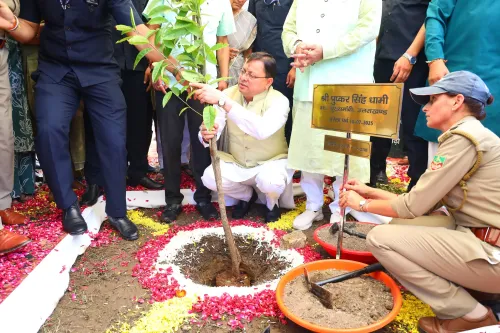
CM Dhami Greets Uttarakhand on Harela, Calls for Green Future
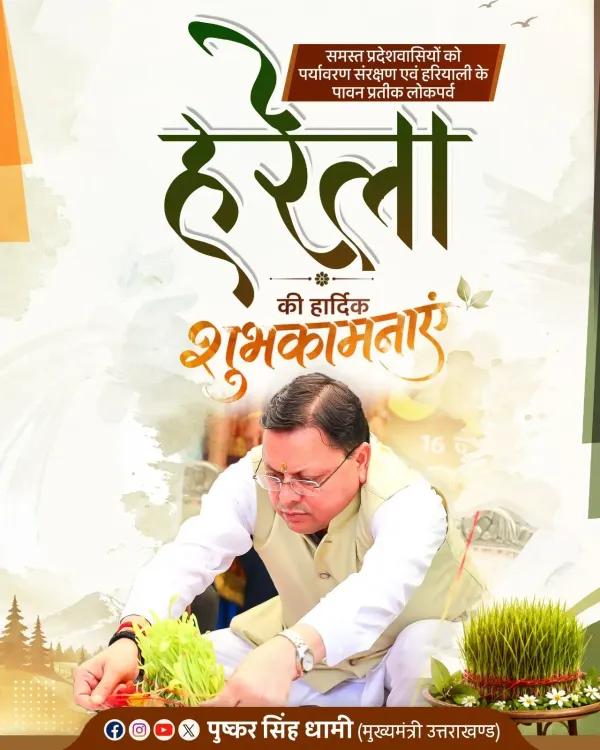
Synopsis
Uttarakhand Chief Minister Pushkar Singh Dhami marked Harela on 16 July 2026 by calling the traditional monsoon folk festival a symbol of faith in nature and a pledge to protect forests, water, and land for future generations.
Key Takeaways
CM Pushkar Singh Dhami greeted all Uttarakhand residents on Harela on 16 July 2026 .
He described Harela as a symbol of reverence for nature and a commitment to building a green future for coming generations.
The festival is an annual Uttarakhand tradition observed during the monsoon, centred on planting and ecological rituals.
Dhami called on citizens to pledge protection of water, forests, and land — the three pillars of Uttarakhand's ecological identity.
The message aligns with the state's broader governance focus on afforestation and climate-resilient development in a Himalayan context.
Uttarakhand's environmental consciousness traces back to the Chipko movement of the 1970s , which remains a defining legacy of the region.
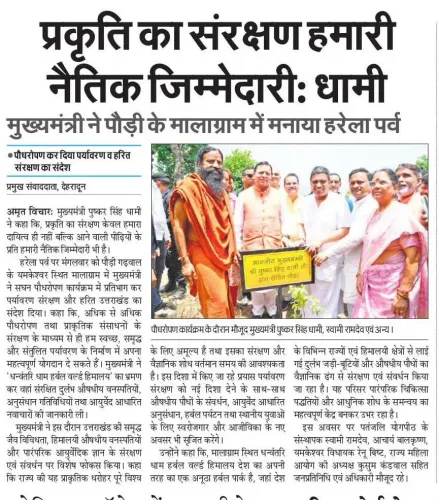
Uttarakhand Chief Minister Pushkar Singh Dhami on Thursday, 16 July 2026, extended greetings to all residents of the state on the occasion of Harela, a traditional Kumaoni and Garhwali folk festival, urging citizens to renew their commitment to protecting forests, water, and land for future generations.
Context
Posting on X in Hindi, CM Dhami described Harela as more than a folk festival — 'yeh parv hamen jal, jungle, zameen ke sanrakshan ka sankalp lene ki prerna deta hai' ('this festival inspires us to take a pledge to protect water, forests, and land'). He expressed his wish that the festival bring happiness, prosperity, good health, and new energy to the lives of all people of Uttarakhand.
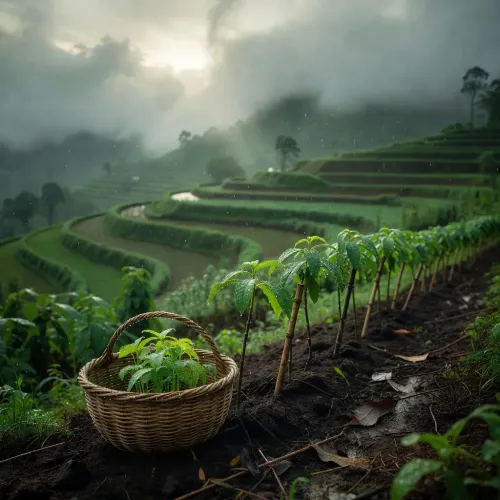
Harela, observed annually during the monsoon season, is one of the most significant cultural occasions in Uttarakhand. The festival is rooted in agricultural and ecological traditions, with rituals centred on sowing seeds, nurturing saplings, and honouring nature's abundance.
Policy Backdrop
Uttarakhand, a Himalayan state formed in 2000, has long placed environmental stewardship at the heart of its governance identity. The state is heir to the legacy of the Chipko movement of the 1970s, when communities in the region famously embraced trees to prevent deforestation — a moment that shaped India's modern environmental consciousness.
Successive state governments have used traditional festivals such as Harela as platforms to reinforce public messaging around afforestation, watershed conservation, and eco-sensitive development. This approach reflects the state's particular vulnerability to climate-driven risks including glacial retreat, flash floods, and forest fires.
Stakeholders and Impact
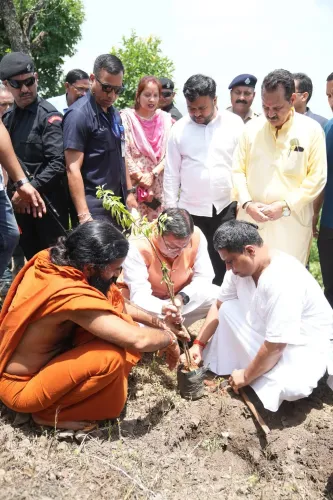
The message is directed at all Uttarakhand residents, but carries particular resonance for environmental groups, forest communities, and local governance bodies responsible for implementing plantation and conservation programmes during the monsoon window. The monsoon months are the primary season for tree-planting drives across the state's hills and valleys.
CM Dhami has consistently linked cultural identity with environmental responsibility since assuming office in 2021, framing conservation not merely as policy but as a civilisational value embedded in the region's festivals and folklore.
What's Next
The Harela greeting is likely to coincide with or precede state-level tree plantation campaigns, which Uttarakhand typically organises during the monsoon season. Observers will watch for any formal announcements tied to the festival period, including updates to the state's afforestation targets or climate action plans.
As Uttarakhand continues to navigate the tension between development and ecological preservation in a biodiversity-rich but climate-vulnerable landscape, festivals like Harela serve as annual touchpoints for renewing the social compact around conservation.
Point of View
The Chief Minister taps into deep community identity in a state where ecological and cultural life are inseparable. The invocation of 'jal, jungle, zameen' echoes the vocabulary of grassroots forest movements, lending the message a resonance that transcends routine political communication. In a year when Himalayan states face intensifying climate pressures, such messaging also quietly frames the government as a steward of the region's fragile ecology.
NationPress
16 Jul 2026
Frequently Asked Questions
What is Harela festival in Uttarakhand?
Harela is a traditional folk festival of Uttarakhand observed during the monsoon season, rooted in agricultural and ecological rituals such as sowing seeds and nurturing saplings as a mark of reverence for nature.
What did CM Pushkar Singh Dhami say on Harela 2026?
CM Dhami greeted all Uttarakhand residents on Harela on 16 July 2026, calling the festival a symbol of faith in nature and urging citizens to pledge protection of water, forests, and land for future generations.
When is Harela celebrated in 2026?
Harela was celebrated on 16 July 2026 in Uttarakhand, falling during the monsoon season as is traditional for this annual folk festival.
Why is Harela important for Uttarakhand's environment?
Harela is culturally linked to tree planting, seed sowing, and nature worship, making it an annual occasion for communities and the state government to reinforce commitments to forest, water, and land conservation in a climate-vulnerable Himalayan region.
What is the Chipko movement and how does it relate to Uttarakhand?
The Chipko movement was a community-led forest protection effort in Uttarakhand in the 1970s, where villagers embraced trees to prevent felling. It established the region's identity as a centre of grassroots environmental activism and continues to inform conservation messaging in the state.