CM Dhami Greets Uttarakhand on Harela, Cites Gratitude to Earth
Synopsis
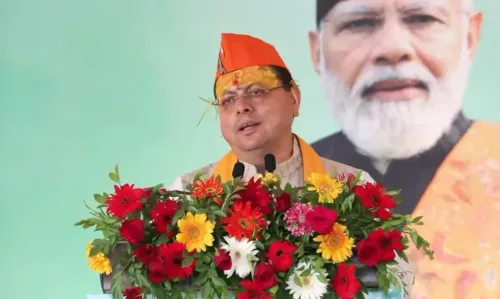
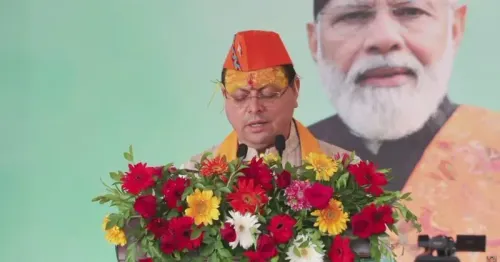
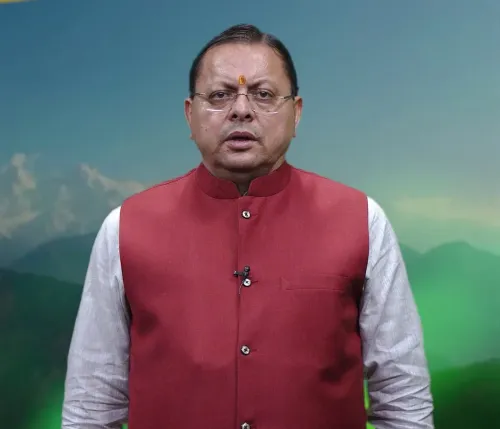
Chief Minister Pushkar Singh Dhami extended greetings on Harela, Uttarakhand's traditional Kumaoni festival observed in mid-July, describing it as an occasion to express gratitude towards Mother Earth. The message was shared via the official Chief Minister's Office account on 16 July 2026.
Key Takeaways
The Chief Minister's Office of Uttarakhand shared CM Pushkar Dhami's Harela greetings on 16 July 2026 .
Harela is a traditional Kumaoni festival observed annually in mid-July , marking the monsoon onset and agricultural sowing season.
CM Dhami described the festival as an opportunity to express 'gratitude towards Mother Earth.' The festival centres on ritual sapling planting and is one of the oldest community-led conservation practices in the Himalayas .
The message was broadcast through the official CMO Uttarakhand X account, signalling the state's cultural and ecological positioning.
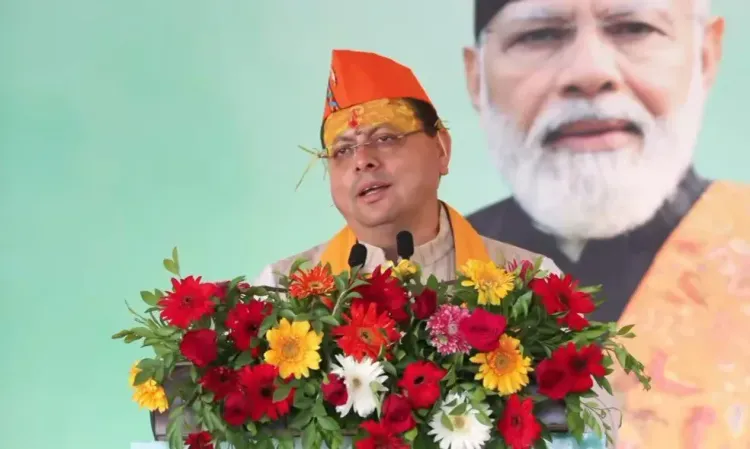
The Chief Minister's Office of Uttarakhand on Thursday, 16 July 2026, shared greetings from Chief Minister Pushkar Singh Dhami on the occasion of Harela, the traditional Kumaoni harvest festival, calling it an opportunity to express gratitude towards the earth.
Context
Chief Minister Dhami's message, posted in Hindi, read: 'Aap sabhi ko Harela ke pavan parv ki hardik badhai evam shubhkamnayein.' ('Heartfelt congratulations and best wishes to all of you on the auspicious festival of Harela.') He added that 'this festival gives us the opportunity to express gratitude towards Mother Earth.'
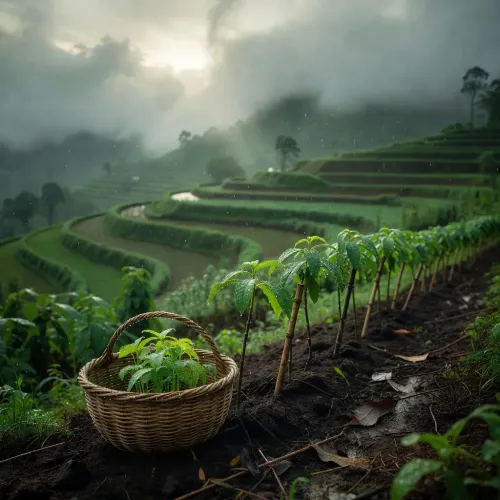
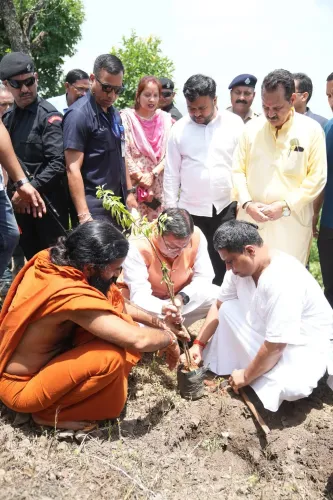
Harela is observed annually in mid-July across Uttarakhand's hill districts, coinciding with the onset of the monsoon and the beginning of the sowing season. The festival centres on the ritual planting of saplings and seedlings, making it one of the oldest community-led conservation practices in the Himalayan region.
Policy Backdrop
Uttarakhand, as an ecologically sensitive Himalayan state, has long positioned indigenous festivals as cultural anchors for environmental messaging. State governments across mountain regions routinely use official platforms to amplify the conservation ethos embedded in such festivals, reinforcing public awareness around afforestation and sustainable land use.
Harela's timing — at the cusp of the monsoon — has historically made it a natural vehicle for tree-planting drives and awareness campaigns by both state agencies and community bodies. The festival is observed primarily in the Kumaon division but carries significance across the state.
Stakeholders and Impact
The festival holds deep cultural and livelihood significance for hill communities and farming households across Uttarakhand. For farmers, Harela marks the formal start of the agricultural calendar, and the accompanying rituals are seen as blessings for a good harvest season.
The Chief Minister's public message through the official CMO account reinforces the state government's alignment with indigenous cultural identity — a recurring theme in BJP-governed hill states where traditional festivals are presented as expressions of civilisational continuity alongside ecological responsibility.
What's Next
Observers will watch whether the Harela greeting is followed by formal afforestation announcements or budget allocations tied to the monsoon season, as has occurred in previous years. State-level tree-planting targets and any related policy initiatives linked to the festival period will be the next indicators of how the government translates cultural messaging into programmatic action.
Point of View
The state government signals continuity with Uttarakhand's conservation heritage without committing to new policy. The message fits a broader pattern of Himalayan state governments using festival seasons as low-cost, high-visibility moments for environmental branding. Whether this cultural moment translates into measurable afforestation or agricultural support will determine its policy weight beyond optics.
NationPress
16 Jul 2026
Frequently Asked Questions
What is Harela festival in Uttarakhand?
Harela is a traditional Kumaoni festival observed in mid-July across Uttarakhand's hill districts, marking the onset of the monsoon and the agricultural sowing season. It involves the ritual planting of saplings and is one of the oldest community-led conservation practices in the Himalayan region.
What did CM Pushkar Dhami say on Harela 2026?
CM Pushkar Dhami extended greetings to all on Harela and described the festival as an opportunity to express gratitude towards Mother Earth, as shared via the official Chief Minister's Office of Uttarakhand account on 16 July 2026.
When is Harela celebrated in 2026?
Harela 2026 falls in mid-July, with the Chief Minister's Office of Uttarakhand sharing greetings on 16 July 2026, consistent with the festival's annual timing at the start of the monsoon season.
Why is Harela important for farmers in Uttarakhand?
Harela marks the formal start of the agricultural calendar for farming communities in Uttarakhand's hill districts. The festival's rituals are considered auspicious for the harvest season, making it significant for both cultural and livelihood reasons.
What is the significance of Harela for the environment?
Harela's central ritual of planting saplings makes it a natural platform for afforestation and environmental awareness. State governments in Uttarakhand have historically used the festival period to reinforce conservation messaging and, in some years, announce tree-planting drives.