CM Dhami hails PM Modi for gifting Uttarakhand art to world leaders
Synopsis
Uttarakhand CM Pushkar Singh Dhami on 13 July 2026 praised PM Modi for presenting a traditional Uttarakhandi topi to New Zealand's Prime Minister and an Aipan-style Shiva artwork to Indonesia's President, calling it a proud moment for the state and a boost for India's cultural diplomacy.
Key Takeaways
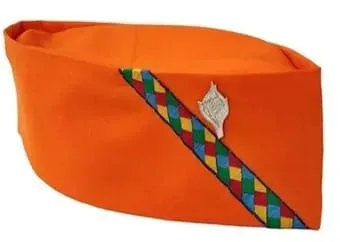
PM Modi gifted a traditional Uttarakhandi topi to New Zealand Prime Minister Chris Luxon during a diplomatic engagement.
Indonesian President Prabowo Subianto received an Aipan-style artwork of Lord Shiva , rooted in the Kumaon region's folk tradition.
CM Dhami called the gesture a moment of pride for every resident of Uttarakhand and thanked PM Modi publicly on 13 July 2026 .
The gifting aligns with the Ek Bharat Shreshtha Bharat programme launched in 2015 to project India's regional cultural diversity globally.
Uttarakhand artisans and the state's cultural tourism sector are expected to gain visibility from the international spotlight on these crafts.
India has used state-specific handicrafts as diplomatic gifts for over a decade as part of a deliberate soft-power strategy.
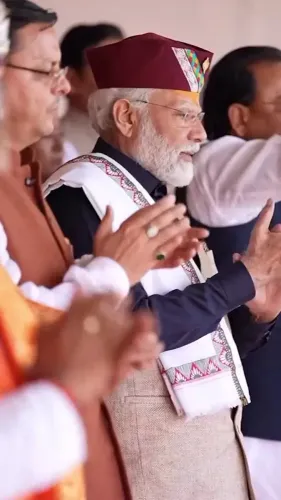
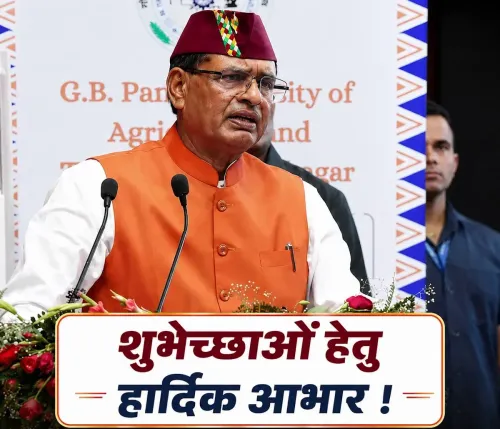
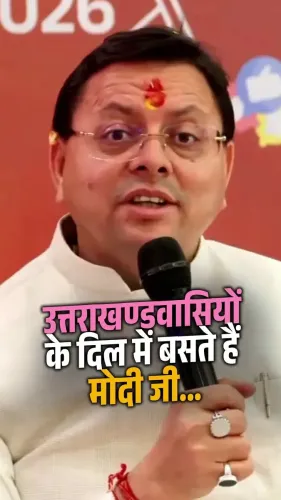
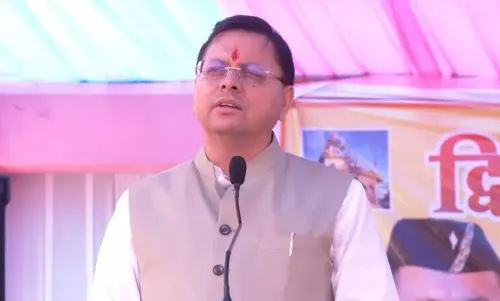
Uttarakhand Chief Minister Pushkar Singh Dhami on Monday, 13 July 2026, publicly praised Prime Minister Narendra Modi for presenting traditional Uttarakhand cultural artefacts to the heads of government of New Zealand and Indonesia during diplomatic engagements, calling it a moment of pride for every resident of the hill state.
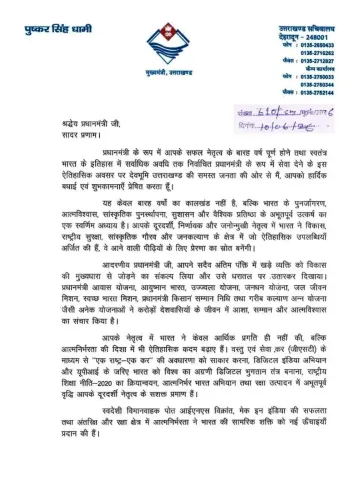
In a post on X, CM Dhami expressed gratitude to the Prime Minister for gifting a traditional Uttarakhandi topi (cap) to New Zealand Prime Minister Chris Luxon and an Aipan-style divine artwork of Lord Shiva to Indonesian President Prabowo Subianto. He wrote that these gestures had given the rich folk culture, folk art, and Sanatan traditions of Devbhoomi [the Land of Gods] a new identity on the global stage.
Context
Uttarakhand, often referred to as Devbhoomi, is home to two distinct cultural traditions highlighted by the gifts. The Uttarakhandi topi is a regional cap worn during festivals and formal occasions, recognised as a marker of the state's identity. Aipan is a traditional floor and wall art form practised primarily by women in the Kumaon region, using rice paste on red ochre backgrounds to depict deities, geometric patterns, and auspicious motifs.
The choice of an Aipan depiction of Lord Shiva for the Indonesian President carries particular resonance: Indonesia is home to a significant Hindu cultural heritage, especially in Bali, making the gift a culturally layered diplomatic gesture connecting both nations' shared civilisational roots.
Policy Backdrop
India's practice of presenting state-specific handicrafts and art forms during high-level diplomatic meetings has been a deliberate soft-power strategy for over a decade. The Ek Bharat Shreshtha Bharat programme, launched in 2015, formalised the objective of celebrating India's cultural diversity and strengthening inter-state as well as international cultural bonds.
CM Dhami explicitly invoked the spirit of 'Ek Bharat, Shreshtha Bharat' [One India, Great India] in his post, framing the diplomatic gifting as an extension of this national initiative onto the world stage. The programme has since been used to project India's regional diversity beyond domestic audiences, complementing bilateral engagement across Asia and Oceania.
Stakeholders and Impact
Uttarakhand's artisan community stands to benefit from the international visibility such diplomatic showcasing generates. When regional crafts appear in high-profile diplomatic settings, it typically spurs interest in cultural tourism and boosts demand for authentic handicrafts, providing a platform for craftspersons who produce Aipan art and traditional headgear.
For the state government, the moment reinforces its ongoing effort to brand Uttarakhand as a cultural and spiritual destination. CM Dhami has consistently highlighted the state's folk traditions in public messaging, and Prime Minister Modi's choice of Uttarakhand-specific gifts provides institutional validation of that narrative at the highest diplomatic level.
What's Next
The episode is likely to prompt the Uttarakhand government to push for greater inclusion of the state's handicrafts in future diplomatic gift protocols, potentially seeking formal coordination with the Ministry of External Affairs and the Ministry of Culture. Expanded promotion of handicraft clusters under central tourism and culture schemes remains a closely watched area.
As India continues to deepen bilateral ties with countries across Southeast Asia and the Pacific, the strategic use of regionally distinctive cultural artefacts in diplomatic exchanges is expected to grow, offering recurring opportunities to spotlight lesser-known Indian art forms on the world stage.
Point of View
Giving the 'Ek Bharat, Shreshtha Bharat' narrative a rare international dimension. For CM Dhami, publicly amplifying this moment serves a dual purpose: it reinforces his government's cultural-branding agenda for the state and deepens his alignment with the BJP's broader civilisational messaging. The selection of an Aipan depiction of Lord Shiva for Indonesia, a country with deep Hindu civilisational roots, signals a sophisticated reading of bilateral cultural affinities rather than generic gift-giving. If this pattern of state-specific diplomatic gifting continues, it could institutionalise a new lane for Uttarakhand's artisan economy to access global visibility through the machinery of Indian foreign policy.
NationPress
13 Jul 2026
Frequently Asked Questions
What did PM Modi gift to the New Zealand Prime Minister?
PM Modi gifted a traditional Uttarakhandi topi — a regional cap emblematic of Uttarakhand's cultural identity — to New Zealand Prime Minister Chris Luxon during a diplomatic meeting.
What is Aipan art and why was it gifted to Indonesia's President?
Aipan is a traditional folk art form from the Kumaon region of Uttarakhand, typically created using rice paste on a red ochre base to depict deities and auspicious patterns. PM Modi gifted an Aipan-style artwork of Lord Shiva to Indonesian President Prabowo Subianto , a choice that resonates with Indonesia's own deep Hindu cultural heritage.
What is Ek Bharat Shreshtha Bharat?
Ek Bharat Shreshtha Bharat is a central government programme launched in 2015 to celebrate India's cultural diversity, foster inter-state cultural bonds, and project the country's regional heritage on the global stage.
Why did CM Dhami praise PM Modi for these diplomatic gifts?
Uttarakhand CM Pushkar Singh Dhami praised PM Modi because the gifts — both rooted in Uttarakhand's traditions — brought international recognition to the state's folk culture and Sanatan heritage, which he described as a moment of pride for every resident of the state.
How does India use regional crafts in diplomacy?
India has for over a decade presented state-specific handicrafts and art forms as diplomatic gifts during high-level meetings, using them as soft-power tools to showcase the country's regional diversity and cultural richness to foreign leaders and global audiences.