CM Dhami Hails PM Modi's New Zealand Visit as Historic Diplomatic Milestone
Synopsis
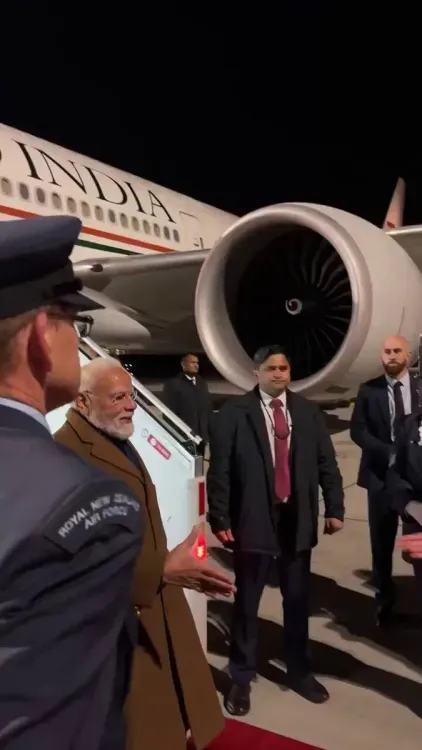
Uttarakhand Chief Minister Pushkar Singh Dhami welcomed PM Narendra Modi's visit to New Zealand on 10 July 2026, calling it a new golden chapter in bilateral relations and noting the visit is the first by an Indian Prime Minister in nearly 40 years.
Key Takeaways
CM Pushkar Singh Dhami praised PM Narendra Modi's visit to New Zealand on 10 July 2026 as a historic diplomatic milestone.
An Indian Prime Minister is visiting New Zealand after approximately 40 years , underscoring the significance of the engagement.
Dhami described the visit as a symbol of India's rising global prestige and strengthened diplomacy.
The warm reception by the New Zealand Prime Minister was cited as evidence of deepening bilateral bonds.
The visit is expected to advance trust, strategic cooperation, and multi-dimensional partnership between the two nations.
Key sectors to watch include trade facilitation, education exchanges, and defence cooperation arrangements.
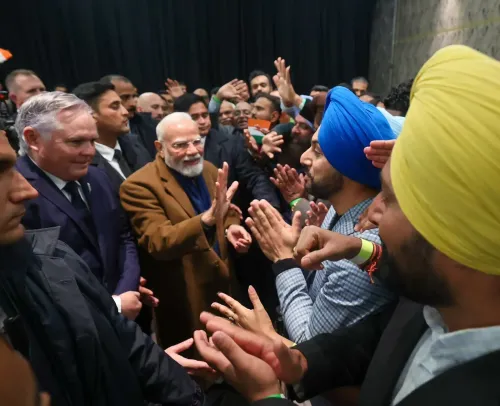
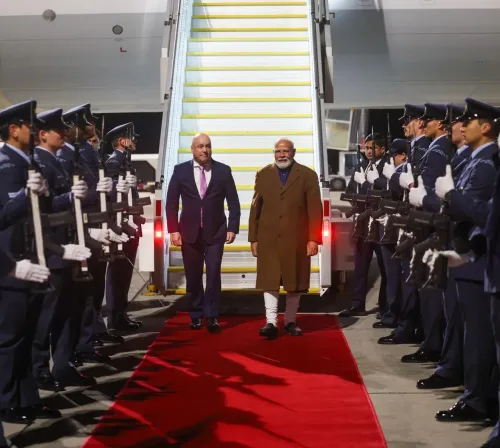
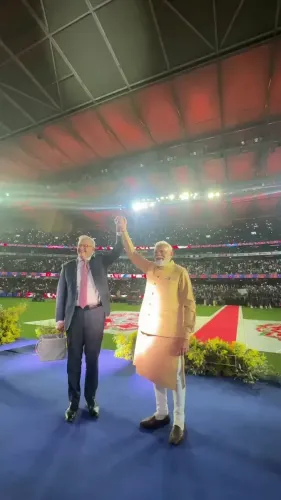
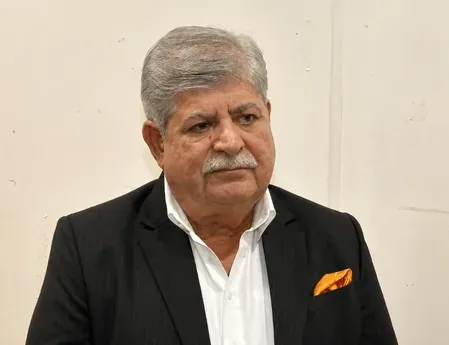
Uttarakhand Chief Minister Pushkar Singh Dhami on Friday, 10 July 2026, welcomed Prime Minister Narendra Modi's visit to New Zealand, calling it a landmark moment in bilateral relations and a symbol of India's growing global stature. Dhami described the visit as historic, noting that an Indian Prime Minister was arriving in New Zealand after approximately 40 years.
Context
Taking to X, Dhami wrote that the visit marks 'भारत-न्यूज़ीलैंड संबंधों के इतिहास में एक नया स्वर्णिम अध्याय' — 'a new golden chapter in the history of India-New Zealand relations.' He stated that the arrival of an Indian Prime Minister in New Zealand after nearly four decades is a symbol of India's rising global prestige and robust diplomacy. Dhami added that the warm reception extended by the New Zealand Prime Minister to PM Modi sends a powerful message about the deepening bonds between the two nations.
The Chief Minister expressed confidence that the visit will elevate trust, strategic cooperation, and multi-dimensional partnership between the two countries to new heights. He specifically highlighted the personal warmth of the welcome as reflective of the broader trajectory of the bilateral relationship.
Policy Backdrop
India has progressively deepened engagement with Indo-Pacific nations since reorienting its Act East Policy in 2014, expanding outreach beyond Southeast Asia to include Pacific Commonwealth partners such as New Zealand. High-level visits to smaller Indo-Pacific states have become a deliberate instrument of India's strategy to diversify its partnerships and reinforce its global profile.
India and New Zealand share longstanding people-to-people ties, driven by a significant Indian diaspora in New Zealand as well as cooperation in agriculture trade and education. These Commonwealth-era connections have increasingly been supplemented by dialogue on trade facilitation, defence training arrangements, and strategic coordination in the Indo-Pacific region.
Stakeholders and Impact
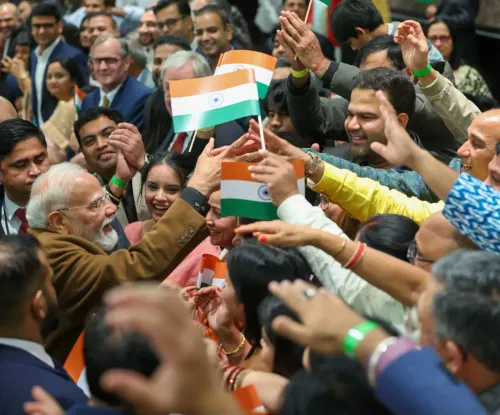
The Indian diaspora in New Zealand — one of the country's fastest-growing migrant communities — stands to benefit directly from any agreements on people-to-people mobility, education exchanges, or professional recognition that may emerge from the visit. Agricultural trade and education linkages between the two countries are also sectors closely watching the outcomes.
For India, strengthening ties with a Pacific Commonwealth member such as New Zealand aligns with its broader objective of building a network of like-minded partners across the Indo-Pacific. For New Zealand, deeper engagement with the world's most populous nation carries significant economic and strategic weight.
What's Next
Observers will watch closely for follow-up announcements on trade facilitation agreements, education and research exchange programmes, and any defence or strategic cooperation frameworks that may be formalised in the wake of the visit. The emphasis on 'multi-dimensional partnership' in Dhami's post suggests expectations of concrete deliverables across multiple sectors.
The visit, if it produces binding agreements or joint statements, could set the template for India's engagement with other Pacific nations as it continues to expand its diplomatic footprint beyond its immediate neighbourhood and traditional major-power relationships.
Point of View
Rather than a routine scheduling of overdue outreach, is a deliberate political signal. More substantively, the visit fits a clear strategic arc: India is systematically courting Pacific Commonwealth nations to build a broader coalition of Indo-Pacific partners, reducing dependence on any single alliance. The outcomes — particularly on trade and diaspora mobility — will determine whether this visit becomes a template or merely a photo opportunity.
NationPress
10 Jul 2026
Frequently Asked Questions
Why is PM Modi's New Zealand visit considered historic?
PM Modi's visit to New Zealand in July 2026 is considered historic because it is the first visit by an Indian Prime Minister to the country in approximately 40 years, marking a significant resumption of high-level bilateral engagement.
What did CM Dhami say about PM Modi's New Zealand visit?
Uttarakhand Chief Minister Pushkar Singh Dhami called the visit 'a new golden chapter in the history of India-New Zealand relations,' saying it reflects India's rising global prestige and will elevate strategic cooperation and multi-dimensional partnership between the two nations.
What is India's Act East Policy and how does it relate to New Zealand?
India's Act East Policy, reoriented in 2014, aims to deepen engagement with Southeast Asian and Pacific nations. New Zealand, as a Pacific Commonwealth partner, fits into this broader strategy of diversifying India's diplomatic and economic partnerships in the Indo-Pacific.
What sectors could benefit from the India-New Zealand summit?
The Indian diaspora in New Zealand, along with the agriculture trade and education sectors, are expected to benefit most. Observers are also watching for announcements on trade facilitation, research exchanges, and defence cooperation frameworks.
When was the last time an Indian Prime Minister visited New Zealand before 2026?
Public records indicate no documented Indian Prime Ministerial visit to New Zealand after the mid-1980s, making the 2026 visit the first in roughly four decades.