CM Dhami Hails Rajya Sabha Passing Exam Anti-Cheat Bill

Synopsis
The Rajya Sabha passed the Public Examinations (Prevention of Unfair Means) Amendment Bill, 2026, extending the 2024 Act's crackdown on paper leaks and exam syndicates. Uttarakhand CM Pushkar Singh Dhami hailed the move as a decisive step to guarantee equal opportunity for India's competitive exam aspirants.
Key Takeaways
The Rajya Sabha passed the Public Examinations (Prevention of Unfair Means) Amendment Bill, 2026 on 30 July 2026 .
The amendment strengthens the original 2024 Act , which was enacted after paper-leak scandals in NEET-UG and UGC-NET .
The bill targets paper leaks, organised exam syndicates, and large-scale cheating with stricter penalties.
CM Pushkar Singh Dhami credited PM Narendra Modi and the central government for reaffirming their commitment to exam integrity.
Key enforcement milestones to watch: rules notification and application to UPSC , SSC , and state commission exams in 2026-27 .
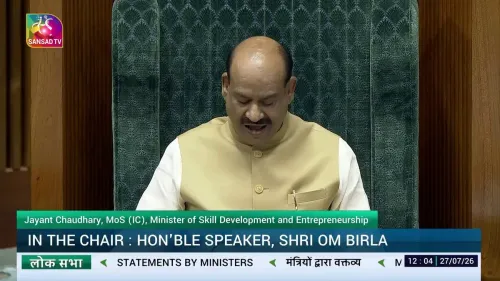
India's war on exam fraud cleared a decisive legislative milestone on Thursday, 30 July 2026, as the Rajya Sabha passed the Public Examinations (Prevention of Unfair Means) Amendment Bill, 2026 — and Uttarakhand Chief Minister Pushkar Singh Dhami was quick to call it exactly what millions of aspirants have been waiting for: a decisive step in defence of honest competition.
What the Rajya Sabha just cleared — and why it matters
The amendment builds on the Public Examinations (Prevention of Unfair Means) Act, 2024, itself a legislative response to a string of high-profile paper-leak scandals that shook national credibility — most notoriously in NEET-UG and UGC-NET. The 2024 law introduced criminal liability for organised cheating syndicates for the first time. The 2026 amendment extends those penalties and sharpens enforcement tools, tightening the net around what Dhami called the 'exam mafia.'
In his post, Dhami framed the bill in the language of fairness: 'mehnat aur pratibha ke aadhar par samaan avsar' — equal opportunity on the basis of hard work and talent. That is precisely the promise that paper leaks had been quietly dismantling for years, one compromised question paper at a time.
The exam-fraud crisis that forced Parliament's hand
The road to this amendment was paved with public outrage. When the NEET-UG 2024 paper-leak controversy erupted, it exposed how deeply organised syndicates had penetrated the examination ecosystem — from printing presses to WhatsApp groups circulating answers hours before exam halls opened. Hundreds of thousands of aspirants who had spent years preparing found their results under a cloud. The credibility of institutions that gate-keep careers in medicine, civil services, and public sector employment took a serious hit.
The 2024 Act was Parliament's first structural answer. The 2026 amendment is the follow-through — a signal that the legislative intent was not a one-time reaction but a sustained commitment. Dhami credited Prime Minister Narendra Modi directly, saying the central government had 'reaffirmed its resolve to strengthen the integrity and credibility of competitive examinations.'
What aspirants and exam bodies should watch next
The real test of any anti-cheat law is in its rules and enforcement, not its passage. The immediate watch-points are the notification of rules under the amended Act and its application to UPSC, SSC, and state commission recruitment cycles scheduled through 2026-27. State boards — including Uttarakhand's own — will also face pressure to align their examination frameworks with the tightened central standards.
For the crores of young Indians who sit these exams not as a choice but as a lifeline, the amendment is more than a legal text. It is, if implemented with rigour, a promise that the playing field can be levelled — that a student in a small town with no coaching institute but genuine ability can compete without the exam being rigged before they even sharpen their pencil.
Parliament has passed the law. Now the agencies have to make it real.
Point of View
Publicly welcoming the bill aligns Uttarakhand's BJP leadership with the Centre's reform narrative ahead of state-level recruitment cycles. The real test, however, is administrative: whether enforcement agencies can operationalise tougher penalties fast enough to deter syndicates before the next major examination season. If implementation lags, the legislative momentum risks becoming a political liability rather than an asset.
NationPress
31 Jul 2026
Frequently Asked Questions
What is the Public Examinations Amendment Bill 2026?
The Public Examinations (Prevention of Unfair Means) Amendment Bill, 2026 is a central government legislation passed by the Rajya Sabha that extends and strengthens the 2024 Act's provisions against paper leaks, exam syndicates, and organised cheating in national-level public examinations.
Why was the Public Examinations Act introduced in India?
The original 2024 Act was introduced after major paper-leak controversies in high-stakes exams including NEET-UG and UGC-NET, which exposed how organised syndicates were compromising examination integrity and disadvantaging honest aspirants.
What does the 2026 amendment add to the 2024 exam law?
The 2026 amendment extends the penalties and enforcement tools introduced under the 2024 Act, tightening the legal framework against paper leaks and exam fraud, though specific provisions are subject to official gazette notification.
What did CM Dhami say about the Rajya Sabha exam bill?
Uttarakhand Chief Minister Pushkar Singh Dhami called the bill's passage a 'big and decisive step' to protect the interests of India's youth, saying it would ensure equal opportunity based on hard work and talent by cracking down on the exam mafia.
Which exams will be affected by the new exam anti-cheat law?
The amended Act is expected to apply to examinations conducted by central bodies such as UPSC and SSC, as well as state public service commissions, with its enforcement expected to cover recruitment cycles through 2026-27.