Tripura adds 3 rural agri-markets worth ₹9.92 crore in Gomati district
Synopsis
Tripura's Agriculture Minister inaugurated two completed farm markets and broke ground on a third in Gomati district on 31 July, bringing total new investment to ₹9.92 crore. The state has now executed 204 agri-market projects worth ₹461.83 crore since 2018 — more than 22 times the outlay of the previous four-year period — in a push to cut out middlemen and improve price realisation for farmers.
Key Takeaways
Ratan Lal Nath inaugurated two rural agri-markets and laid the foundation for a third in Gomati district on 31 July 2025 .
The three facilities — at Palatana , Tulamura Bazar , and Gorji Krishi Bazar — carry a combined outlay of ₹9.92 crore .
Tripura currently operates 554 agricultural markets , including 84 primary wholesale markets and 21 regulated produce markets .
Between 2018–19 and 2025–26 , the state executed 204 market projects worth ₹461.83 crore , versus 71 projects worth ₹20.26 crore in 2013–17 .
Gomati district alone saw 38 market projects worth ₹86.93 crore over the last seven-and-a-half years.
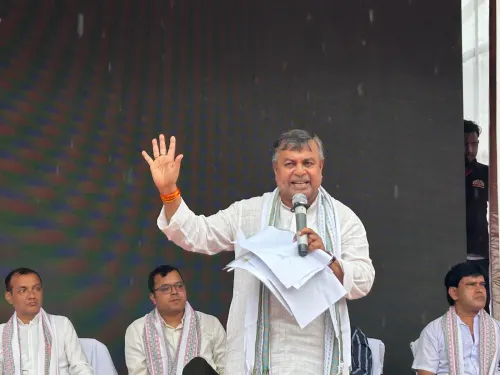
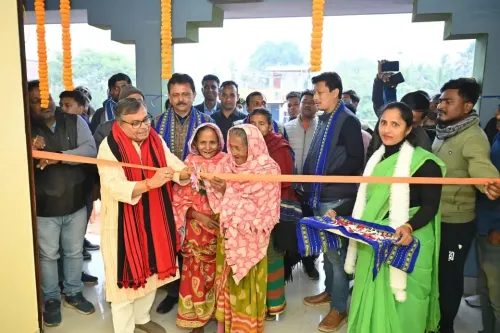
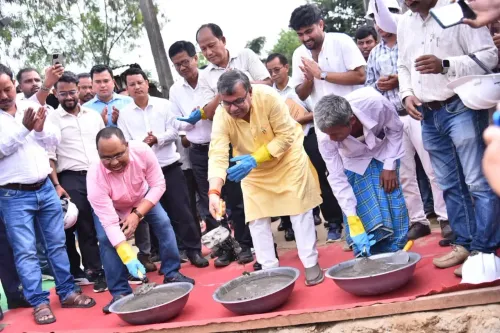
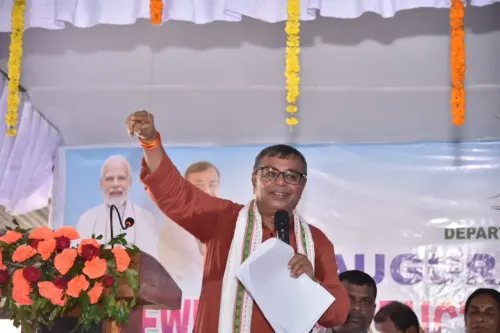
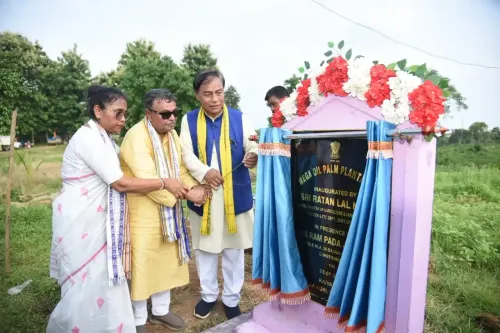
Tripura Agriculture and Farmers' Welfare Minister Ratan Lal Nath on Thursday, 31 July laid the foundation stone of a modern rural agricultural market at Palatana in Gomati district, to be constructed at a cost of ₹4.6 crore, while also inaugurating two completed market buildings — signalling a renewed push to deepen the state's farm-to-market infrastructure.
Markets Inaugurated and Launched
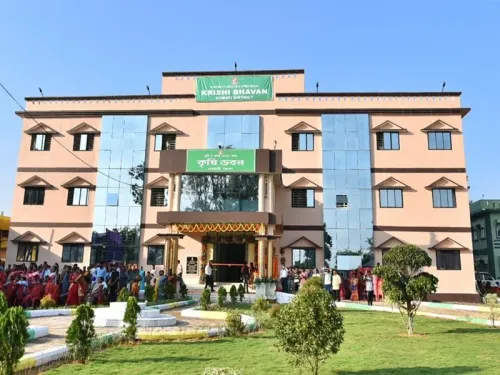
Alongside the Palatana foundation stone, Nath inaugurated a two-storey agricultural market at Tulamura Bazar, built for ₹2.2 crore, and a two-storey building of the Gorji Krishi Bazar, constructed at a cost of ₹3.12 crore. The three facilities together represent a combined outlay of ₹9.92 crore under the Agriculture and Farmers' Welfare Department, all located within Gomati district.
What the Minister Said
Addressing farmers and officials at the event, Nath stressed the indispensable role of agriculture in national development. 'If farmers stop producing agricultural products, development will not be possible, and everything will come to a standstill. That is why the Prime Minister has repeatedly stressed the need to work for their welfare and empowerment,' he said.
Nath also raised concern over the gap between policy intent and ground-level awareness. 'The government is providing numerous facilities, but many are not taking the initiative to obtain information. Subsidised fertilisers and other benefits must reach farmers directly. Why should middlemen enjoy the benefits meant for cultivators?' he asked.
Quoting Prime Minister Narendra Modi, the minister described farmers as the country's Annadata — food providers — and argued that a decline in agriculture would cascade across every sector of the economy.
Tripura's Agricultural Market Infrastructure
Nath outlined the scale of the state's farm marketing network, noting that Tripura currently operates 554 agricultural markets, comprising 84 primary wholesale markets, 21 regulated agricultural produce markets, and 470 primary or rural markets.
Between 2018–19 and 2025–26, the state government undertook 204 market infrastructure projects worth ₹461.83 crore — a sharp contrast to the 71 projects totalling ₹20.26 crore executed between 2013 and 2017. Within Gomati district alone, 38 market development projects worth ₹86.93 crore were taken up over the last seven-and-a-half years.
Why It Matters for Farmers
Officials argue that modern market infrastructure directly addresses two chronic problems in Indian agriculture: poor price realisation and post-harvest losses. By shortening the distance between farm gate and wholesale buyer, regulated rural markets are designed to reduce dependence on intermediaries — a concern Nath explicitly flagged.
This comes amid a broader national push to strengthen agricultural value chains, with schemes such as the Agriculture Infrastructure Fund and APMC reforms seeking to modernise the sector. Tripura's investment trajectory — more than 22 times the outlay of the preceding four-year period — reflects the priority the current state administration has placed on rural market development.
MLAs Abhishek Debroy and Jitendra Majumder, senior officials of the Agriculture and Farmers' Welfare Department, and a large number of farmers attended the programme. The new Palatana market, once complete, is expected to serve cultivators across the surrounding blocks of Gomati district.
Frequently Asked Questions
Which agricultural markets were inaugurated in Tripura on 31 July 2025?
Tripura Agriculture Minister Ratan Lal Nath inaugurated a two-storey market at Tulamura Bazar (₹2.2 crore) and the Gorji Krishi Bazar (₹3.12 crore), and laid the foundation stone of a new market at Palatana in Gomati district (₹4.6 crore). The combined investment across the three facilities is ₹9.92 crore.
How many agricultural markets does Tripura currently have?
Tripura operates 554 agricultural markets in total, comprising 84 primary wholesale markets, 21 regulated agricultural produce markets, and 470 primary or rural markets serving farmers across the state.
How does Tripura's recent agri-market investment compare to previous years?
Between 2018–19 and 2025–26, Tripura executed 204 market infrastructure projects worth ₹461.83 crore. In contrast, only 71 projects worth ₹20.26 crore were undertaken between 2013 and 2017 — making the recent period's outlay more than 22 times larger.
Why did Minister Ratan Lal Nath raise the issue of middlemen?
Nath flagged that many farmers remain unaware of government schemes, allowing intermediaries to capture subsidies and benefits intended for cultivators. He called for direct delivery of subsidised fertilisers and other support to farmers, cutting out the middleman.
What is the significance of the Palatana market in Gomati district?
The Palatana market is part of 38 agricultural market development projects worth ₹86.93 crore undertaken in Gomati district over the last seven-and-a-half years. Once complete, it is expected to help local farmers secure better prices and reduce post-harvest losses.