Tripura builds 204 agri-markets with ₹461.83 crore investment since 2018
Synopsis
Tripura's agriculture investment has surged more than 22-fold compared to the 2013-17 period — from ₹20.26 crore for 71 projects to ₹461.83 crore for 204 projects. With a Farmer ID rollout underway and 11,250 more hectares earmarked for natural farming in 2026-27, the state is making one of its most ambitious bets on agricultural modernisation.
Key Takeaways
Tripura has invested ₹461.83 crore across 204 agricultural market projects between 2018-19 and 2025-26 .
87 projects are completed; 117 remain in progress across the state's 554 agricultural markets .
Farm machinery distribution rose from 2,600 units (2013-17) to 50,300 units over the past eight years, backed by ₹233.63 crore in subsidies.
5,550 hectares are under natural farming, benefiting 13,875 farmers ; an additional 11,250 hectares targeted for 2026-27 .
A unique Farmer ID is being issued to every farmer to improve access to welfare schemes.
Organically produced crops worth ₹17.2 crore marketed across India and abroad since 2020-21 .
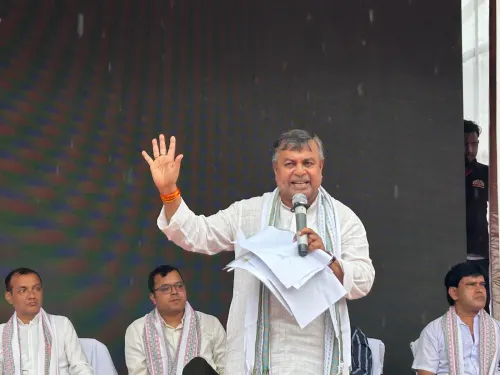
The Tripura government has invested ₹461.83 crore in infrastructure development across 204 agricultural markets between 2018-19 and 2025-26, Agriculture and Farmers' Welfare Minister Ratan Lal Nath said on Sunday, 11 October 2026. Of the 204 projects, 87 have been completed and 117 are currently in progress, the minister said, underscoring the state's push toward farmer welfare and food self-reliance.
Key Developments
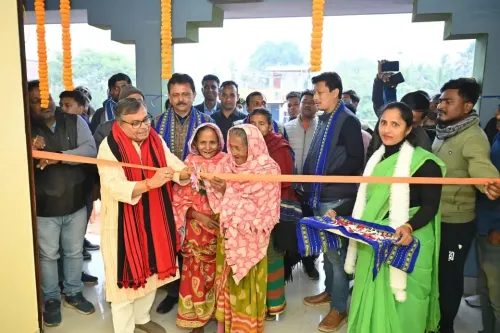
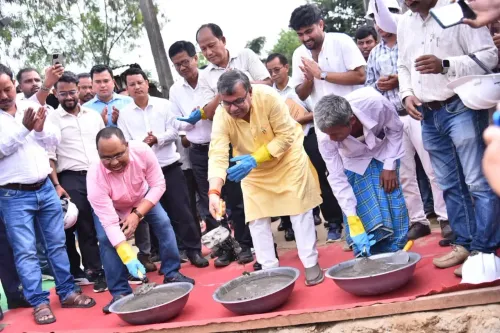
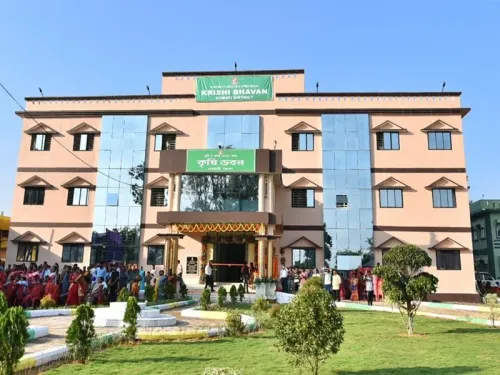
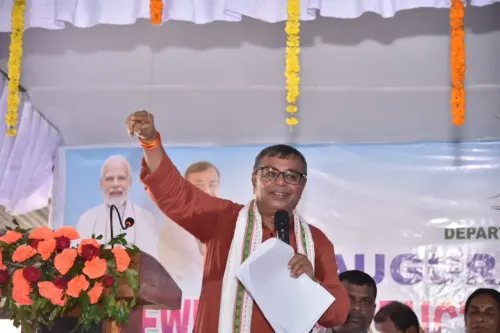
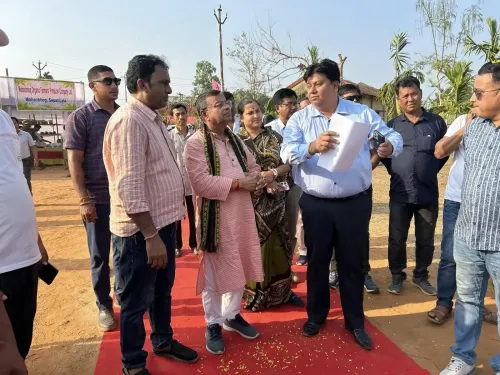
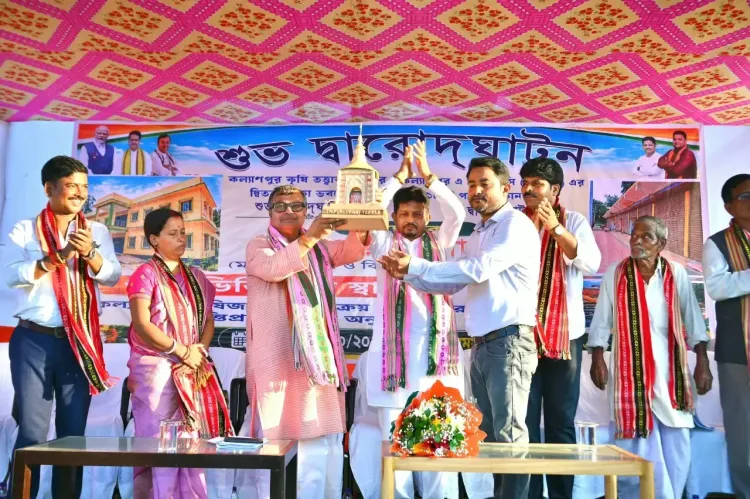
Nath made the announcement while inaugurating multiple projects and laying foundation stones for new initiatives of the Agriculture and Farmers' Welfare Department in Kalyanpur and Khowai. Among the projects inaugurated was a two-storey rural market at Brindavan Ghat Bazar in Khowai district, which has been opened for farmers and traders. He also inaugurated the office of the Deputy Director of Agriculture, Horticulture and Soil Conservation in Khowai district.
Scale of Agricultural Infrastructure Push
Tripura currently has 554 agricultural markets. The state government is developing facilities such as sheds, stalls, toilets, drinking water supply, and drainage systems at these markets to enable farmers to sell produce conveniently and obtain fair prices. Nath highlighted the sharp contrast with the previous period: between 2013 and 2017, only 71 market development projects were undertaken with an allocation of ₹20.26 crore — a fraction of the current outlay. The jump from ₹20.26 crore to ₹461.83 crore represents more than a 22-fold increase in investment in agricultural market infrastructure.
Farm Mechanisation and Natural Farming
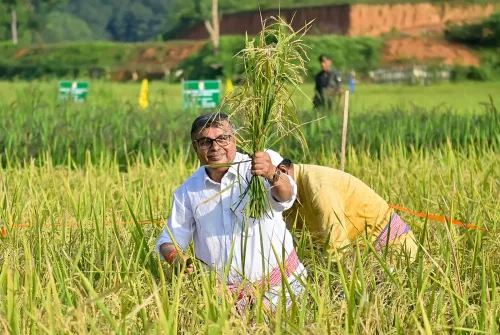
The minister said 50,300 agricultural machines had been distributed across the state over the past eight years with subsidies totalling ₹233.63 crore. By comparison, only 2,600 machines were distributed between 2013 and 2017, backed by a subsidy of ₹28.35 crore. On natural farming, Nath said 5,550 hectares of land are currently under this cultivation method, benefiting 13,875 farmers. An additional 11,250 hectares are planned to be brought under natural farming in 2026-27. He also noted that organically produced crops worth ₹17.2 crore have been marketed in other states and abroad since 2020-21.
Farmer ID and Sub-Divisional Offices
The government has initiated issuance of a unique Farmer ID to every farmer in the state, aimed at streamlining access to Central and state welfare schemes. Every district now has a Deputy Director of Agriculture and a Deputy Director of Horticulture and Land Conservation. Tripura currently has 47 Agricultural Sub-Divisional Offices and nine Horticulture and Land Conservation Sub-Divisional Offices, with the government committed to establishing an agricultural sub-divisional office in every block.
What This Means for Tripura's Farmers
The investments signal a structural effort to modernise Tripura's agricultural ecosystem — from market access and mechanisation to organic farming and digital identification of beneficiaries. This comes amid broader Central government initiatives on natural farming and farm income doubling, making Tripura's state-level push broadly aligned with national agricultural policy goals. How effectively the 117 in-progress projects are executed, and whether the Farmer ID rollout eliminates scheme-leakage, will determine the real-world impact for the state's farming community.
Point of View
But the more telling metric is execution: with 117 of 204 projects still in progress, the state's delivery record will ultimately define the scheme's legacy. The Farmer ID initiative is directionally right — targeting scheme leakage is a genuine structural reform — but its success hinges on database quality and last-mile connectivity in a state with significant rural remoteness. The natural farming expansion is ambitious; scaling from 5,550 to over 16,800 hectares in a single financial year is a steep ramp that will test extension services. Tripura's agricultural story is improving, but the gap between announcement and verifiable farmer-income outcomes deserves close tracking.
NationPress
12 Oct 2026
Frequently Asked Questions
How much has Tripura invested in agricultural markets since 2018?
Tripura has invested ₹461.83 crore in infrastructure development across 204 agricultural markets between 2018-19 and 2025-26. Of these, 87 projects have been completed and 117 are still in progress.
How does Tripura's current farm investment compare to the 2013-17 period?
Between 2013 and 2017, only 71 market development projects were undertaken with an allocation of ₹20.26 crore. The current outlay of ₹461.83 crore for 204 projects represents a more than 22-fold increase in investment.
What is the Tripura Farmer ID scheme?
The Tripura government has initiated the issuance of a unique Farmer ID to every farmer in the state to streamline access to Central and state welfare schemes and reduce leakage of benefits.
What is Tripura's natural farming target for 2026-27?
An additional 11,250 hectares are planned to be brought under natural farming in 2026-27, adding to the 5,550 hectares already under the method that currently benefit 13,875 farmers.
How many agricultural machines has Tripura distributed in the past eight years?
The state has distributed 50,300 agricultural machines over the past eight years with subsidies totalling ₹233.63 crore — compared to just 2,600 machines and ₹28.35 crore in subsidies between 2013 and 2017.