CM Dhami Meets Employee Union Delegations at Mukhya Sevak Sadan
Synopsis
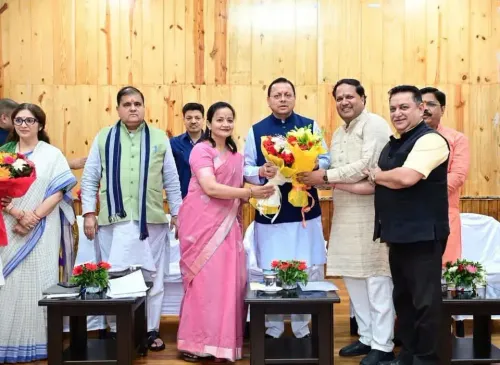
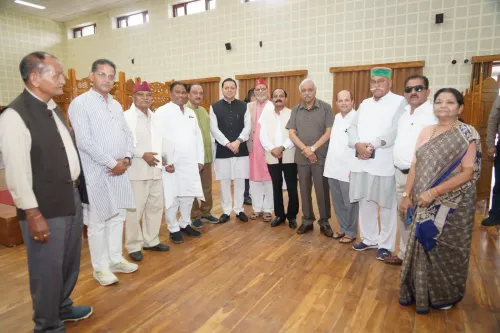
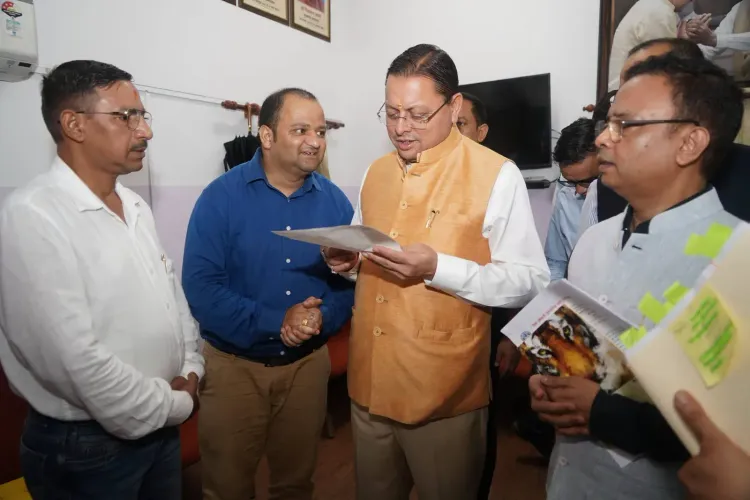
Uttarakhand CM Pushkar Singh Dhami met delegations from multiple employee organisations at Mukhya Sevak Sadan on August 11, 2026, listening to their grievances and directing officials to examine issues under existing rules and take necessary action.
Key Takeaways
CM Pushkar Singh Dhami received delegations from multiple employee organisations at Mukhya Sevak Sadan on August 11, 2026 .
The CM heard grievances and suggestions from employee union representatives directly.
Officials have been directed to examine the problems 'niyamanusaar' (in accordance with applicable rules) and ensure necessary action.
No new policy announcements were made; directives fall within existing administrative frameworks.
Follow-up departmental orders will determine whether the grievances are actually resolved.
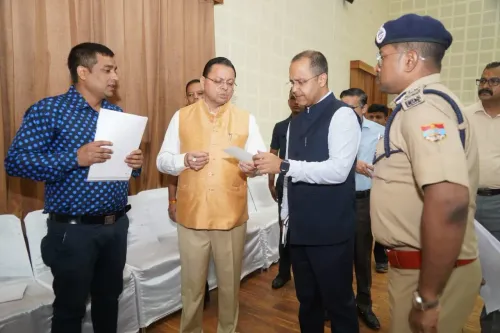
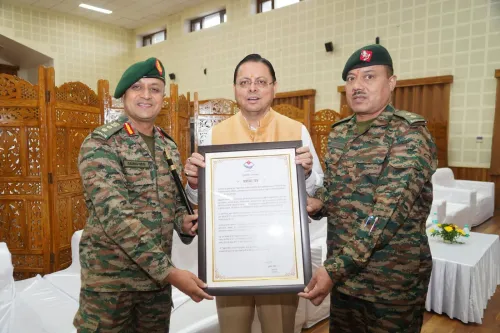
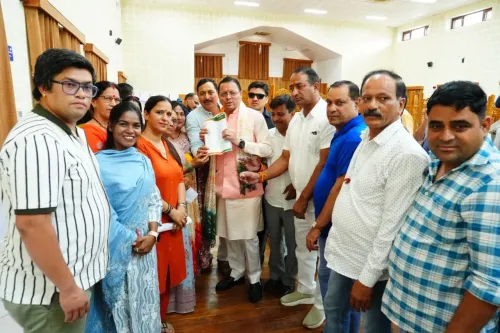
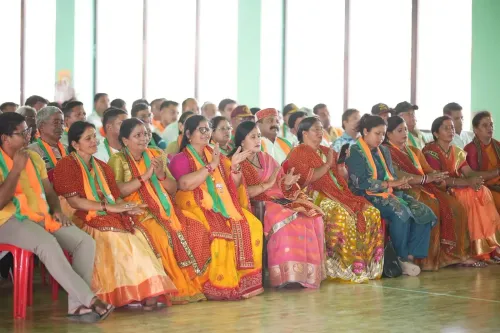
Governance, at its most basic, is about listening. Uttarakhand Chief Minister Pushkar Singh Dhami did exactly that on Tuesday, August 11, 2026, receiving delegations from multiple employee organisations at Mukhya Sevak Sadan in Dehradun — hearing out their grievances and suggestions firsthand before directing officials to act.
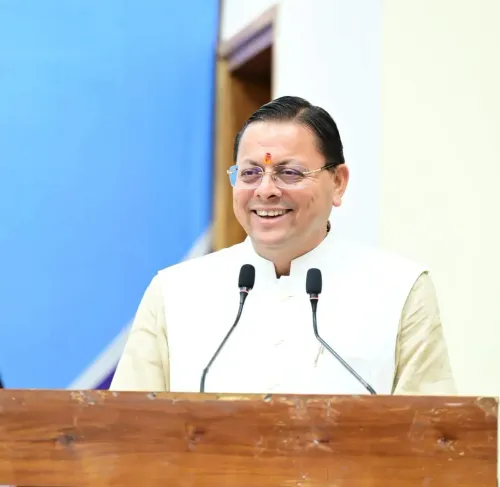
In a post on X, CM Dhami said he met representatives of 'विभिन्न कर्मचारी संगठनों' (various employee organisations) and listened to their problems and suggestions. He added that concerned officials have been directed to examine the issues in accordance with applicable rules and ensure necessary action.
What Mukhya Sevak Sadan Signals
The name itself carries intent. Mukhya Sevak Sadan — literally 'Chief Servant's House' — is how CM Dhami has branded his official residence, a deliberate framing of the Chief Minister's role as a public servant rather than a power centre. Conducting grievance meetings here, rather than in a formal secretariat setting, reinforces that positioning.
Such interactions between state chief ministers and employee union delegations are a standard feature of Indian state governance. Service matters — pay anomalies, promotion disputes, transfer policies, pension rules — routinely pile up in government departments, and direct access to the CM is often the only channel employees feel will yield results.
Directives Issued, Follow-Through Awaited
CM Dhami's instruction to officials is framed carefully: examine problems 'नियमानुसार' — within existing rules — and ensure necessary action. This is standard administrative language, signalling that no new policy commitments were made on the spot. The directive places the ball in the departments' courts to resolve what can be resolved under current frameworks.
What matters now is whether those departments follow through with formal orders or resolutions. In Indian state governance, the gap between a CM's verbal directive and an actual departmental order is where grievances most often stall. Employee organisations will be watching closely.
A chief minister who listens publicly commits himself to a paper trail. The next move belongs to the bureaucracy.
Point of View
Giving the government flexibility without making promises that could later embarrass it. The real test is departmental follow-through: if formal orders emerge, it strengthens Dhami's credibility with a large and organised vote bloc ahead of any electoral cycle. If they do not, the meeting risks being remembered as a managed photo opportunity.
NationPress
26 Sept 2026
Frequently Asked Questions
Why did CM Dhami meet employee union delegations?
CM Dhami met delegations from various employee organisations at Mukhya Sevak Sadan to listen to their service-related grievances and suggestions, and to direct officials to take action within existing rules.
What is Mukhya Sevak Sadan in Uttarakhand?
Mukhya Sevak Sadan — meaning 'Chief Servant's House' — is the official residence of Uttarakhand's Chief Minister, named by CM Dhami to reflect a public-service ethos.
What action did CM Dhami order after the meeting?
CM Dhami directed the concerned officials to examine the problems raised by employee organisations in accordance with applicable rules and ensure necessary action is taken.
Which employee organisations met CM Dhami?
The post refers to representatives of 'various employee organisations' but does not name specific unions. Exact details of participating organisations have not been officially listed.
Will Uttarakhand government employees get relief after this meeting?
CM Dhami has issued directives to officials, but formal departmental orders have not yet been announced. Relief will depend on whether departments act on the CM's instructions within the existing service rules.