CM Dhami Holds Jan Sunwai, Directs Officials on Public Grievances
Synopsis
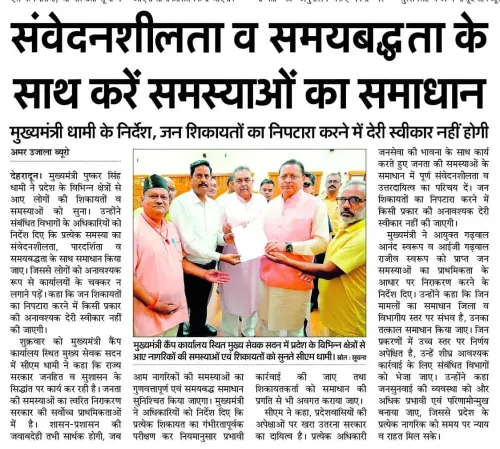
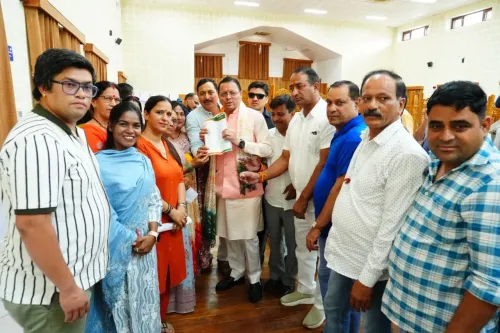
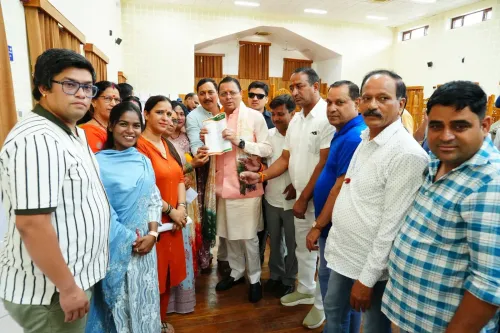
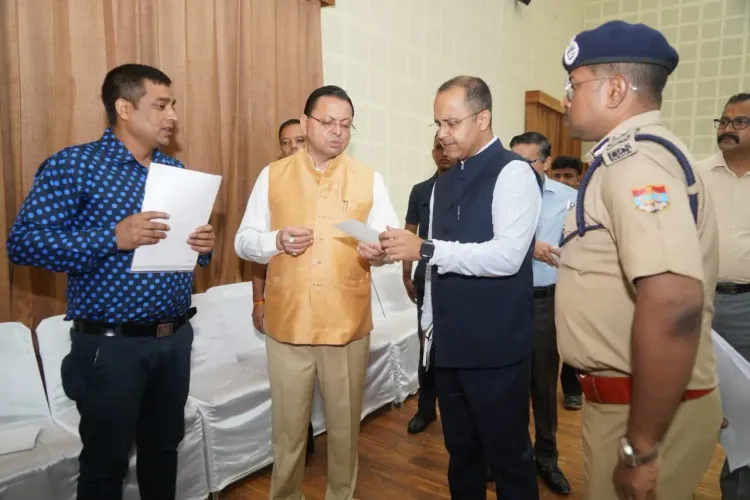
Chief Minister Pushkar Singh Dhami held a public grievance session at Mukhya Sevak Sadan on 11 August 2026, hearing citizens from across Uttarakhand on issues ranging from roads and water to employment, and directing officials to resolve cases without delay.
Key Takeaways
CM Pushkar Singh Dhami held a jan sunwai at Mukhya Sevak Sadan , Dehradun, on 11 August 2026 .
Citizens raised issues spanning roads, drinking water, electricity, education, health, revenue, irrigation, employment, and local development .
Dhami directed officials to avoid unnecessary delay in cases actionable at the departmental level.
Cases requiring government-level decisions must be submitted through proper procedure without sitting idle.
The CM stated the government's priority is ensuring the benefits of good governance reach every citizen on time.
Senior officials including Principal Secretary R.K.
Sudhanshu and Garhwal Commissioner Anand Swaroop were present.
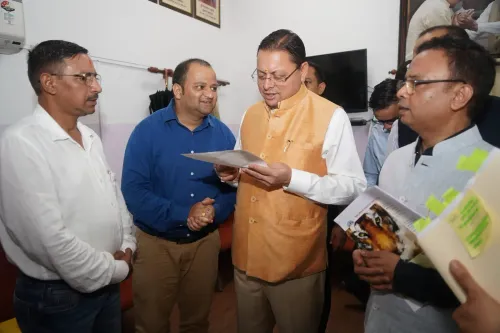
When citizens from across Uttarakhand walked into Mukhya Sevak Sadan — the Chief Minister's official residence in Dehradun — on Tuesday, 11 August 2026, they came carrying problems that no department had yet solved. Chief Minister Pushkar Singh Dhami sat with each of them, heard them out, and issued directions on the spot. The Chief Minister's Office of Uttarakhand shared details of the public grievance session on X.
What citizens brought to the table
The range of grievances laid before the Chief Minister cut across nearly every department of state government. Residents raised concerns about roads and connectivity, drinking water, electricity, education, health services, revenue matters, irrigation, employment, transfers, and local development. In a hilly state where geography makes even routine administrative redress difficult, the direct hearing offered a rare shortcut past layers of bureaucracy.
Dhami listened to each case individually, sought status updates from accompanying officials, and instructed them to act within the bounds of eligibility and existing rules. His directive was pointed: where departmental action is possible, there must be no unnecessary delay; where a decision requires government-level approval, the file must be moved through the proper process without sitting idle.
The governance argument Dhami made
'Direct communication between the public, elected representatives, and the government makes the democratic system more effective,' Dhami said at the session. He framed the jan sunwai — public hearing — not as a favour to citizens but as a structural mechanism: a channel through which pending cases at various levels can find a path to resolution.
He also set a clear benchmark for his administration. 'The state government's priority is to deliver the benefits of good governance to every citizen,' he said, adding that the impact of any scheme or policy becomes meaningful only when its benefits reach the person who needs them, on time. Officials were asked to approach citizen-related matters with both a human perspective and strict adherence to rules.
Jan sunwai as a governance tool in Indian states
The practice of chief ministers holding formal public hearing sessions is well-established across Indian states, particularly in the Hindi heartland. These sessions serve a dual purpose: they create a direct accountability loop between elected leadership and voters, and they expose administrative bottlenecks that might otherwise remain buried in departmental files. For Uttarakhand — a state with a large rural and mountainous population where access to district-level administration is often physically challenging — the sessions carry particular weight.
Senior officials present at the session included Principal Secretary R.K. Sudhanshu, Secretary Shailesh Bagoli, Garhwal Commissioner Anand Swaroop, Garhwal IG Rajeev Swaroop, and Additional Secretary J.C. Kandpal, alongside other officers from the Chief Minister's Office.
The real test of any jan sunwai is not the hearing itself but the follow-through — whether departmental orders are issued, cases closed, and citizens actually reached. That accountability will play out in the weeks ahead.
Point of View
High-visibility governance instrument that BJP-led state governments have leaned on to project administrative accessibility — particularly ahead of election cycles. For Uttarakhand, where terrain isolates large sections of the population from district administration, these hearings address a structural gap, not just a political optic. The real policy signal in Dhami's instructions — no delays on departmental cases, proper process on government-level files — is a quiet pressure on the bureaucracy to reduce pendency. Whether that translates into measurable resolution rates, rather than a single-day spectacle, will determine the session's actual governance value.
NationPress
25 Sept 2026
Frequently Asked Questions
What is jan sunwai and why does CM Dhami hold it?
A jan sunwai is a formal public grievance hearing where citizens can present problems directly to the Chief Minister. CM Dhami holds these sessions at Mukhya Sevak Sadan to create a direct channel between citizens and the government, bypassing slower departmental routes.
What issues did citizens raise at the 11 August 2026 jan sunwai?
Citizens from across Uttarakhand raised issues related to roads and connectivity, drinking water, electricity, education, health services, revenue matters, irrigation, employment, transfers, and local development.
What did CM Dhami instruct officials at the grievance session?
Dhami instructed officials to resolve cases actionable at the departmental level without unnecessary delay, and to submit cases requiring government-level decisions through the proper process promptly.
Where is Mukhya Sevak Sadan located?
Mukhya Sevak Sadan is the official residence of the Chief Minister of Uttarakhand, located in Dehradun, the state capital.
Which senior officials attended the jan sunwai with CM Dhami?
Principal Secretary R.K. Sudhanshu, Secretary Shailesh Bagoli, Garhwal Commissioner Anand Swaroop, Garhwal IG Rajeev Swaroop, and Additional Secretary J.C. Kandpal were among the officials present.